Category: Cost and Finance

  • How Much Does It Cost to Build an Extension

    How Much Does It Cost to Build an Extension

    How Much Should I Budget for an Extension

    There are many things to consider when renovating or extending your home, from the design and accessories to the all-important question ‘how much does an extension cost?’. However, by establishing costs and design ideas, you can prepare yourself for every step of your project. To lend you a helping hand, we have pieced together a guide on some of the things that you will need to consider, including the price.

    While there are many factors that could affect the costs of an extension in London, the most important factor to consider is the size of the extension. This is because size (generally measured as floor area) directly correlates with the total cost of the project. You should, therefore, have a reasonably accurate idea of the size of space that you are looking to add or transform.

    House Extension Costs:

    Basic Single Storey Extension: 4M X 5M

    You may have heard that the rule of thumb is £2,000-£2,200 per m2. However, this figure is now somewhat out of date. From experience, £2,500 per m2 is a now a more realistic estimate for a basic / mid-range house extension. In London and some parts of the South East, these figures could be between £3,000-4,000 per m2.

    So, for your 4 x 5m extension, the build cost would be roughly £50,000.

    • Add on 10-15% for professional fees (architect, planning application, building regs, structural engineer) (£7,500  at 15%)
    • VAT (£10,000)

    Single storey house extension cost = £67,500

    Double Storey Extension:

    As a rule of thumb you can add 50% extra to the build cost of a single storey extension.

    So, £50,000 +50% = £25,000 for the basic build cost

    • Add on 10-15% for professional fees (architect, planning application, building regs, structural engineer) (£11,250 at 15%)
    • VAT (£15,000)

    Double storey house extension cost = £101,250

    Does it Include a Kitchen renovation or Bathroom?

    • Add say, £7,500 for a bathroom. Costs may be more or (if you are very thrifty) slightly less depending on your sanitary ware and finishes.
    • Add £25,000 for a kitchen (again, completely depends on your specification, £20,000 should get you a lower-mid range kitchen with appliances

    Above costs assume modest finishes, fittings, electrics and lighting. Think simple painted walls, carpet floors or possibly engineered oak.

    • If you’re wanting higher-end finishes e.g. tile finishes, fitted joinery etc the costs will increase.
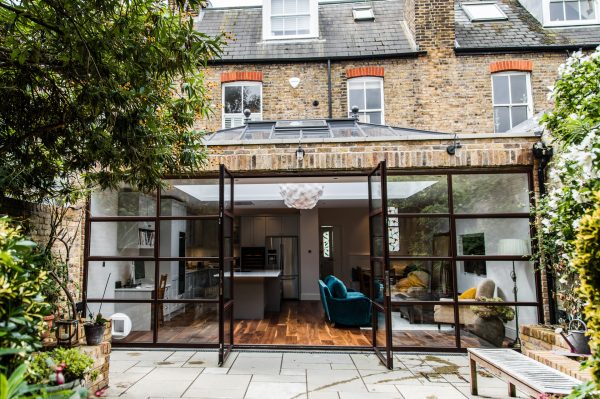
    • Glazing will increase the cost also. Sliding or folding doors are a popular addition to extensions at the moment. Expect £10,000+ for around a 2.5m width opening

    Are There Any Complex Site Constraints?

    Your builder will need to include additional costs in their quotation if any of the following apply:

    • Your soil type and ground conditions may present more costly construction methods / techniques.
    • Limited access to the site. Will it be easy for the builder to bring in tools and machinery easily?
    • Existing structure. Are you removing any structural walls? If so there will likely be additional costs for steelwork.
    • Are you moving any pipework, drainage, gas meters?
    • Consider the type/ quality of construction materials involved and the type of construction.
  • Planning Fees Increase by 100% or More for Planning Applications in the UK

    Planning Fees Increase by 100% or More for Planning Applications in the UK

    If you are following our Blog Articles closely we have previously written an article about the planning application fee increase back in December 2024 with “Planning Fee Increases 2025 in the UK: All You Need To Know“. As of January 14th, the Government issued draft legislation that proposes a substantial increase in planning fees. In many instances, these fees are set to rise by 100% or more. Notably, for major developments, there is an extraordinary increase of 583%. It is advisable to ensure that applications and fees are submitted before 1st April 2025 to avoid these fees.

    As we know that the planning departments in the councils need an increase in funds, but this legislation does not guarantee they will receive any of the increases. The government has estimated a £362 million shortfall in funding for local planning authorities. Furthermore, there is no assurance that this funding gap will be addressed by 2026; in fact, it may even worsen over time.

     

    The prices rises of 100% or more, come after planning fees rises in December 2023 of 35% for major and 25% for all other applications. The increase will take effect on 1 April 2025, provided both houses in Parliament agree.

    In summary, the proposed fee increases are as follows:

     1. Householder Applications

    • Increase the fee for applications for the enlargement, improvement or other alteration of a single dwellinghouse from £258 to £528 – an increase of 105%
    • Increase the fee for applications for the enlargement, improvement or other alteration of two or more dwellinghouses from £509 to £1,043 – an increase of 105%
    • The fee of £258 for householder developments related to small-scale operations within the curtilage of a dwellinghouse is not changing – this would be for items such as garages, outbuildings, porches, gates, fences and walls.

    2. Prior Approvals

    • The flat fee for prior approval applications that don’t involve building operations is increasing from £120 to £240 – an increase of 100% (was £96 before December 2023)
    • The flat fee for prior approval applications that involve building operations is increasing from £258 to £516 – an increase of 100% (was £206 before December 2023)
    • The fee for prior approvals relating to the change of use of Class E uses to residential is increased from £125 per dwellinghouse to £250 per dwellinghouse – an increase of 100% (was £100 before December 2023)

    3. Section 73 Applications

    If you’re looking to make changes to a previous planning decision, like removing a condition or tweaking the drawings, you’d need to submit a Section 73 application. For example, if it’s a retrospective permission you’re dealing with, Section 73A applications might come into play—we’ve explained that in more detail here: What is a Retrospective Planning Permission Made Under Section 73A?.

    The fees for Section 73 applications are increasing from the old flat rate of £293. These applications are now split into three categories based on the type of original application. If you’re looking to amend a householder application, it might be worth waiting until after 1st April, as the fee drops by 70%. However, for major developments, the cost shoots up by a massive 583%!

    • £86 for householder applications – a decrease of 70%
    • £586 for non-major development – an increase of 100%
    • £2,000 for major development – an increase of 583%

    4. Discharge of Conditions

    The fee for an application to approve details reserved by condition is getting an increase from:

    • £43 to £86 for householders – an increase of 100%
    • £145 to £298 for any other development – an increase of 106%

    The fee for submitting a Biodiversity Gain Plan is increasing from £145 to £298—a staggering 106% increase!

    5. Corrections to Other Fees

    • The fee for an outline application for the erection of a building where the gross floor area exceeds 3,750 square metres is increasing to £31,385, up from £30,680.
    • The fee for an application to erect an agricultural building with a gross floor space between 1,000 and 4,215 square metres is skyrocketing to £5,077, a massive increase from just £624!

    In Conclusion

    The last government increased planning fees by either 25% or 35%, with the promise that they would only rise annually tied to inflation or a maximum of 10%. However, today, Matthew Pennycook, the Minister of State for Housing and Planning, has chosen to overlook this legislation. Moving forward, planning fees will be adjusted by inflation or 10% from 1st April 2026, unless the government decides otherwise.

    These increased fees will have a significant impact on SME developers, who will need to factor in these costs when planning their projects. Additionally, the government is pushing forward with plans to allow local authorities to set or vary their own fees, potentially based on a percentage of today’s new rates.

    For now, all other planning fees remain unchanged until April 2026. However, it’s worth noting that the Planning Portal has yet to announce the fees for processing card payments to local authorities from 1st April 2025. Over recent years, these fees have seen a substantial rise:

    1st April 2022 – £32 including VAT (a 14% increase)
    2nd May 2023 – £64 including VAT (a 100% increase)
    2nd April 2024 – £70 including VAT (a 9% increase)

    These changes highlight the growing financial impact on those navigating the planning process, and Homz UK is here to provide support every step of the way.

    Managing Planning Fees with Confidence – Homz UK by Your Side

    As planning fees continue to increase, it’s crucial to have a trusted partner who can help navigate these changes smoothly. At Homz UK, we specialize in providing tailored solutions to meet your specific needs. Whether you’re preparing for a new application, managing increased costs, or seeking expert advice, our experienced team is here to support you every step of the way.

    We understand that staying ahead of rising fees can be challenging, but with our comprehensive services, you can confidently manage your planning applications without unnecessary stress. Contact us today and let’s get started on your project!

     

    References:

    1.) https://www.legislation.gov.uk/uksi/2023/1197/made

    2.) https://ecab.planningportal.co.uk/uploads/forthcoming_english_application_fees.pdf

    3.) https://blog.planningportal.co.uk/2025/01/30/updates-to-planning-application-fees-in-england/
  • Planning Fee Increases 2025 in the UK: All You Need To Know

    Planning Fee Increases 2025 in the UK: All You Need To Know

    Proposed Planning Fee Increases for 2025 in the UK: Key Highlights and FAQs

    The UK government has proposed significant changes to planning application fees as part of its consultation on the National Planning Policy Framework (NPPF). These changes aim to address the funding shortfalls faced by local planning authorities, ensuring cost recovery and enhanced service delivery. Here we prepared a summary of the proposed changes, the rationale behind them, and answers to common questions.

    Homz Flat Conversion Costs

    Key Highlights

    1. Proposed Fee Adjustments:
      • Householder Planning Applications: Fees are set to rise from £258 to £528, reflecting the actual costs of processing such applications.
      • Other Developments: The increases aim to better align fees with the resources required, particularly for smaller-scale applications, which make up 80% of submissions but generate only 20% of fee income.
    2. Addressing Shortfalls:
      • Local authorities currently face an annual shortfall of £262 million in development management services. The proposed fee hikes aim to close this gap and provide financial stability to planning departments, particularly those reliant on householder applications.
    3. Application Coverage:
      • New fees are under consideration for previously exempt applications, such as those for listed building consents and tree preservation orders. This change seeks to distribute costs more evenly.
    4. Nationally Significant Infrastructure Projects (NSIPs):
      • The consultation also explores introducing statutory fees for NSIPs to compensate local authorities for the significant resources required to engage in the development consent process. This measure aims to streamline funding and reduce reliance on lengthy, uncertain negotiations.
    5. Timeline:
      • Subject to parliamentary approval, the changes are expected to come into effect by the end of 2024.

    Background on the Current Shortfall

    In December 2023, planning application fees were already increased—by 35% for major developments and 25% for other applications. However, a government analysis indicates that local planning authorities still face a significant funding gap, estimated at £262 million annually.

    Most of this shortfall arises from smaller applications, which represent the majority of cases handled by planning authorities. For example, householder applications account for 52% of all submissions, yet their current fee of £258 often fails to cover associated costs. Conversely, fees for major applications, which make up just 3% of submissions, generally recover their costs.

    The imbalance means that 80% of all applications generate just 20% of fee income, leaving many authorities—especially those with fewer major developments—financially vulnerable.

    Implications for Nationally Significant Infrastructure Projects (NSIPs)

    The consultation also addresses cost recovery for local authorities involved in NSIPs. These projects, often resource-intensive, currently lack statutory provisions for fee recovery. Local authorities can negotiate planning performance agreements with developers, but these arrangements are often time-consuming and unpredictable, delaying necessary resourcing.

    The government aims to streamline this process and ensure local authorities can adequately fund their engagement with NSIPs.

    • Funding Gap: Local authorities face a £262 million shortfall in funding for development management services.
    • Disparity in Cost Recovery: Smaller applications dominate submissions but generate limited income.
    • Fee Revisions: Proposed increases aim to ensure cost recovery and reduce financial vulnerabilities.
    • New Fee Categories: Potential introduction of charges for currently exempt application types.

    pre planning advice by Homz

    Dates To Take Note

    • December 6, 2023: The UK government revealed its proposal to increase fees for planning applications in England, initiating the reform process.
    • April 1, 2024: This date signifies the start of the newly established fee structure for planning applications in England, highlighting the UK government’s dedication to enhancing and streamlining the planning procedure.
    • By January 1, 2025: The UK government will enforce a notable increase in fees for planning applications.
    • April 1, 2025: The new increased fees will take place.

    Conclusion

    The proposed fee increases represent a significant shift in how planning services are funded in the UK. While the changes aim to address chronic underfunding, they also raise questions about affordability for individuals and businesses. Stakeholders are encouraged to participate in the consultation process to ensure that the reforms are both effective and equitable.

    Frequently Asked Questions

    1. Why are the fees increasing? The current fee structure fails to cover the full costs of processing applications, leading to deficits in local authority budgets. By increasing fees, the government intends to improve service quality, reduce delays, and ensure sustainable operations.

    2. Who will be most affected by these changes? Householder applications, which make up 52% of all submissions, will see the most significant fee increases. This adjustment reflects their current under-recovery of costs and their disproportionate impact on local authority workloads.

    3. Are major developments also impacted? No significant changes are planned for major developments, as their current fees are already sufficient to cover associated costs. These applications represent only 3% of total submissions.

    4. Will exemptions still exist? The government is considering removing exemptions for applications like listed building consents and works on protected trees. This change is meant to balance the cost burden and ensure that all applicants contribute fairly.

    5. How will this impact the planning process? The increased revenue is expected to enhance planning services, enabling local authorities to invest in staff and technology. This could lead to faster processing times and better engagement with stakeholders.