Category: Planning Permission

  • Planning Fees Increase by 100% or More for Planning Applications in the UK

    Planning Fees Increase by 100% or More for Planning Applications in the UK

    If you are following our Blog Articles closely we have previously written an article about the planning application fee increase back in December 2024 with “Planning Fee Increases 2025 in the UK: All You Need To Know“. As of January 14th, the Government issued draft legislation that proposes a substantial increase in planning fees. In many instances, these fees are set to rise by 100% or more. Notably, for major developments, there is an extraordinary increase of 583%. It is advisable to ensure that applications and fees are submitted before 1st April 2025 to avoid these fees.

    As we know that the planning departments in the councils need an increase in funds, but this legislation does not guarantee they will receive any of the increases. The government has estimated a £362 million shortfall in funding for local planning authorities. Furthermore, there is no assurance that this funding gap will be addressed by 2026; in fact, it may even worsen over time.

     

    The prices rises of 100% or more, come after planning fees rises in December 2023 of 35% for major and 25% for all other applications. The increase will take effect on 1 April 2025, provided both houses in Parliament agree.

    In summary, the proposed fee increases are as follows:

     1. Householder Applications

    • Increase the fee for applications for the enlargement, improvement or other alteration of a single dwellinghouse from £258 to £528 – an increase of 105%
    • Increase the fee for applications for the enlargement, improvement or other alteration of two or more dwellinghouses from £509 to £1,043 – an increase of 105%
    • The fee of £258 for householder developments related to small-scale operations within the curtilage of a dwellinghouse is not changing – this would be for items such as garages, outbuildings, porches, gates, fences and walls.

    2. Prior Approvals

    • The flat fee for prior approval applications that don’t involve building operations is increasing from £120 to £240 – an increase of 100% (was £96 before December 2023)
    • The flat fee for prior approval applications that involve building operations is increasing from £258 to £516 – an increase of 100% (was £206 before December 2023)
    • The fee for prior approvals relating to the change of use of Class E uses to residential is increased from £125 per dwellinghouse to £250 per dwellinghouse – an increase of 100% (was £100 before December 2023)

    3. Section 73 Applications

    If you’re looking to make changes to a previous planning decision, like removing a condition or tweaking the drawings, you’d need to submit a Section 73 application. For example, if it’s a retrospective permission you’re dealing with, Section 73A applications might come into play—we’ve explained that in more detail here: What is a Retrospective Planning Permission Made Under Section 73A?.

    The fees for Section 73 applications are increasing from the old flat rate of £293. These applications are now split into three categories based on the type of original application. If you’re looking to amend a householder application, it might be worth waiting until after 1st April, as the fee drops by 70%. However, for major developments, the cost shoots up by a massive 583%!

    • £86 for householder applications – a decrease of 70%
    • £586 for non-major development – an increase of 100%
    • £2,000 for major development – an increase of 583%

    4. Discharge of Conditions

    The fee for an application to approve details reserved by condition is getting an increase from:

    • £43 to £86 for householders – an increase of 100%
    • £145 to £298 for any other development – an increase of 106%

    The fee for submitting a Biodiversity Gain Plan is increasing from £145 to £298—a staggering 106% increase!

    5. Corrections to Other Fees

    • The fee for an outline application for the erection of a building where the gross floor area exceeds 3,750 square metres is increasing to £31,385, up from £30,680.
    • The fee for an application to erect an agricultural building with a gross floor space between 1,000 and 4,215 square metres is skyrocketing to £5,077, a massive increase from just £624!

    In Conclusion

    The last government increased planning fees by either 25% or 35%, with the promise that they would only rise annually tied to inflation or a maximum of 10%. However, today, Matthew Pennycook, the Minister of State for Housing and Planning, has chosen to overlook this legislation. Moving forward, planning fees will be adjusted by inflation or 10% from 1st April 2026, unless the government decides otherwise.

    These increased fees will have a significant impact on SME developers, who will need to factor in these costs when planning their projects. Additionally, the government is pushing forward with plans to allow local authorities to set or vary their own fees, potentially based on a percentage of today’s new rates.

    For now, all other planning fees remain unchanged until April 2026. However, it’s worth noting that the Planning Portal has yet to announce the fees for processing card payments to local authorities from 1st April 2025. Over recent years, these fees have seen a substantial rise:

    1st April 2022 – £32 including VAT (a 14% increase)
    2nd May 2023 – £64 including VAT (a 100% increase)
    2nd April 2024 – £70 including VAT (a 9% increase)

    These changes highlight the growing financial impact on those navigating the planning process, and Homz UK is here to provide support every step of the way.

    Managing Planning Fees with Confidence – Homz UK by Your Side

    As planning fees continue to increase, it’s crucial to have a trusted partner who can help navigate these changes smoothly. At Homz UK, we specialize in providing tailored solutions to meet your specific needs. Whether you’re preparing for a new application, managing increased costs, or seeking expert advice, our experienced team is here to support you every step of the way.

    We understand that staying ahead of rising fees can be challenging, but with our comprehensive services, you can confidently manage your planning applications without unnecessary stress. Contact us today and let’s get started on your project!

     

    References:

    1.) https://www.legislation.gov.uk/uksi/2023/1197/made

    2.) https://ecab.planningportal.co.uk/uploads/forthcoming_english_application_fees.pdf

    3.) https://blog.planningportal.co.uk/2025/01/30/updates-to-planning-application-fees-in-england/

  • What to Know About the Planning Consents for the Change of Use Applications

    What to Know About the Planning Consents for the Change of Use Applications

    [vc_row][vc_column][vc_column_text]Change of use planning applications in the UK represent a vital aspect of urban development and property use. Whether it’s converting a commercial space into residential units, repurposing an industrial building for a cultural centre, or adapting a premises for mixed-use, understanding the regulatory framework is essential. This essay delves into the intricacies of change of use planning applications in the UK, focusing on the significance of planning consent, permitted development rights, extended permitted development rights, sui generis planning consent, and change of use classes.

    Getting the Green Light: Planning Consent for a Change of Use

    Imagine you want to change a church into a lovely house or vice versa. To make this transformation, you usually need what’s called “planning consent.” It’s like getting permission from the planning authorities to make sure your plan fits with local rules and guidelines. Each property falls into a specific “use class,” and changing from one class to another often needs planning consent. Planning consent ensures that the proposed change aligns with local planning policies, zoning regulations, and other relevant considerations.

    Knowing the Classes: Planning Use Classes

    Imagine you have a brilliant idea to repurpose a building. Maybe you want to turn an office into a yoga studio or an old school into stylish apartments. The first thing you’ll encounter is something called “change of use classes.” In simple terms, these classes are like categories that different types of properties fall into. We’re talking about residential, commercial, industrial, and more. Changing the use of a property often means moving from one class to another.

    Up to 1st September 2020, there were four Classes of use in planning, ‘A to D’.  However, these have been significantly altered. 

    The current use classes for planning in England can be summarised as:

    Class B2          General Industrial

    Class B8          Storage and distribution

    Class C1           Hotels

    Class C2          Residential institutions

    Class C2A        Secure residential institutions

    Class C3          Dwelling houses

    Class C4          Small Houses in multiple occupation

    Class E            Commercial, Business and Service

    Class F1          Learning and non-residential institutions

    Class F2          Local community

    Unusual Cases: Sui Generis Planning Consent

    Sometimes, your project doesn’t fit into any of the regular use classes. These unique projects are called “sui generis,” and they need their own kind of planning permission. Think nightclubs, casinos, or some types of schools – they all fall into this category. Getting approval for sui generis projects can be a bit more complex since each one is considered individually.

    What to Know About Extended Permitted Development Rights

    In recent years, the UK government has introduced extended permitted development rights, enabling certain changes of use with less stringent planning requirements. This expansion aims to facilitate projects such as converting commercial properties into residential spaces, promoting housing development. Nevertheless, careful assessment and adherence to all associated guidelines are crucial for a smooth transition.

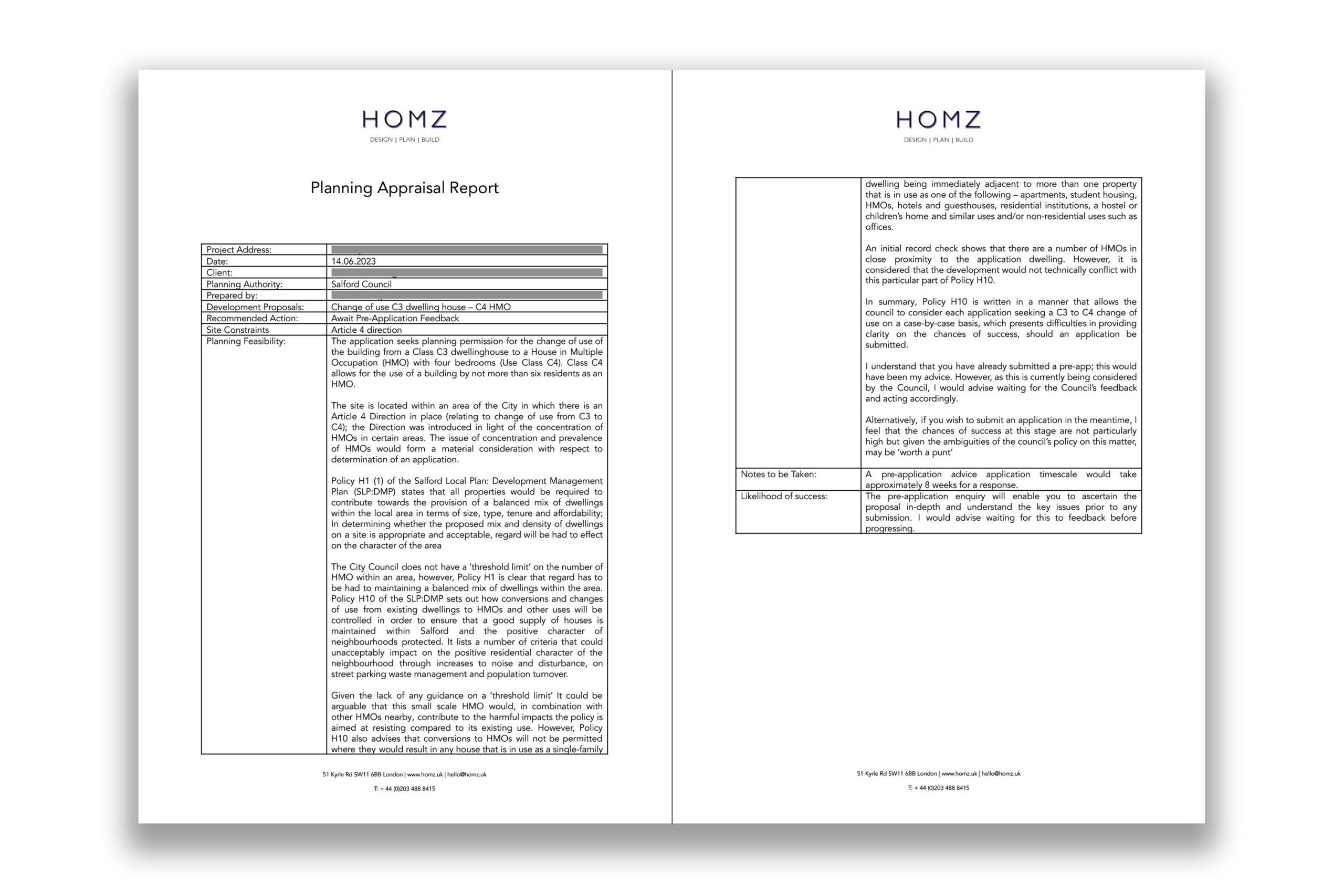
    Planning Appraisal report for a change of use planning application


    Our Town Planners are here to provide you Pre-Planning Advice on whether you need a planning permission or not and likelihood of success of your project, Contact Us and get your answers today. Please see examples from some of our Planning Appraisal Reports for the Change of Use Projects we submitted so far.


    Is Your Project Feasible? Our Town Planners Can Give You The Answer

    Change of use projects in the UK offer a significant opportunity for property owners and developers to transform existing spaces to better meet the evolving needs of society. Whether it’s repurposing commercial buildings into residential units, converting agricultural structures into vibrant community spaces, or adapting houses into holiday lets, the process of changing the use of a property requires a solid understanding of the UK’s planning regulations and guidelines.

    [/vc_column_text][us_btn label=”Get Your Instant Quote Now” link=”url:https%3A%2F%2Fhomz.uk%2Fcost-calculator%2F|target:_blank”][/vc_column][/vc_row]

  • Navigating Change of Use Projects in the UK: A Comprehensive Guide

    Navigating Change of Use Projects in the UK: A Comprehensive Guide

    Change of use projects in the UK offer a significant opportunity for property owners and developers to transform existing spaces to better meet the evolving needs of society. Whether it’s repurposing commercial buildings into residential units, converting agricultural structures into vibrant community spaces, or adapting offices into creative hubs, the process of changing the use of a property requires a solid understanding of the UK’s planning regulations and guidelines. In this comprehensive guide, we will delve into the intricacies of change of use projects in the UK, exploring the key considerations, planning permissions, permitted development rights, and practical steps involved.

    Understanding Change of Use

    Change of use refers to the process of altering the designated purpose of a building or land, allowing it to be used for a different purpose than originally intended. In the UK, change of use projects are governed by planning regulations that outline specific use classes and associated permissions. It is essential to comprehend the existing use classes, their definitions, and the implications of changing from one class to another. From Class A (Shops) to Class D (Non-Residential Institutions), each class has its own set of rules and requirements, which must be considered before embarking on a change of use project.

    Types of Change of Use Projects

    Change of use projects in the UK can encompass a wide range of scenarios. Let’s explore some common types of projects that frequently require change of use permissions:

    a. Commercial to Residential: Converting commercial spaces, such as offices, warehouses, or shops, into residential dwellings to address the growing demand for housing.

    b. Agricultural to Commercial/Residential: Transforming agricultural buildings into commercial spaces or residential units, fostering economic growth in rural areas.

    c. Office to Creative Space: Repurposing office spaces into dynamic environments for creative industries, startups, or collaborative workspaces.

    d. Industrial to Leisure: Converting disused industrial facilities into recreational or entertainment venues, revitalising communities and providing new leisure opportunities.


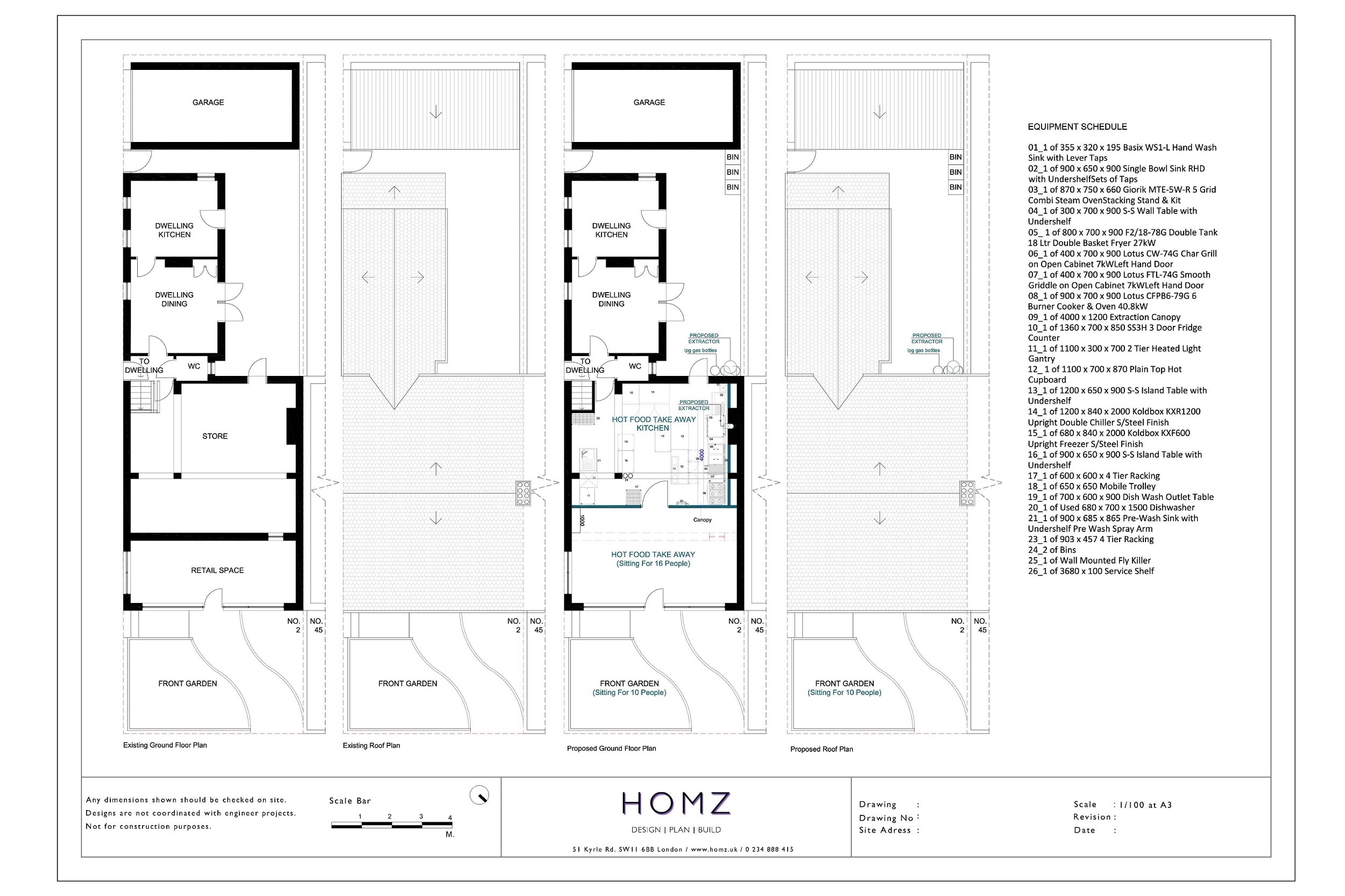
    Please see project examples from some of our approved schemes for the Change of Use Projects we submitted so far.


    Understanding Change of Use Planning Policies and Regulations in the UK

    Change of use projects are subject to specific regulations and guidelines in the UK. The government has established different use classes that define the permitted uses of properties. It is essential to comprehend these use classes and how they impact change of use applications. We will delve into the most common use classes and highlight the potential transitions between them, such as the conversion of commercial properties (Class A) to residential properties (Class C). Additionally, we will explore the importance of planning permission and discuss cases where permitted development rights may apply.

    Factors to Consider for a Successful Change of Use Project

    Embarking on a change of use project requires careful planning and consideration. We will discuss the various factors that can significantly impact the success of such endeavors. These include:

    a) Site Suitability: Evaluating the location, accessibility, and infrastructure of the property to determine its suitability for the intended use.

    b) Structural Assessments: Conducting thorough assessments to ensure that the building’s structure is capable of accommodating the proposed changes and identifying any necessary renovations or modifications.

    c) Functional Adaptation: Planning the layout and design of the space to align with the intended use, considering factors such as zoning requirements, safety regulations, and accessibility.

    d) Financial Viability: Analysing the economic feasibility of the project, including cost projections, potential returns on investment, and financial considerations associated with the change of use process.


    Please see examples from some of our Planning Appraisal Reports for the Change of Use Projects we submitted so far.

    Our Town Planners are here to provide you Pre-Planning Advice on whether you need a planning permission or not and likelihood of success of your project, Contact Us and get your answers today.


    Navigating the Change of Use Application Process

    Successfully navigating the change of use application process involves understanding the steps involved and the necessary documentation required. We will provide an overview of the typical process, including:

    a) Pre-application Research: Gathering information on local planning policies, restrictions, and requirements applicable to the specific property and proposed change of use.

    b) Application Submission: Preparing a comprehensive application that includes relevant forms, supporting documents, and plans, ensuring compliance with local authority guidelines.

    c) Planning Committee Review: Exploring the potential outcomes of the planning committee’s review, including considerations for objections, negotiations, and potential conditions imposed on the change of use.

    d) Post-Approval Requirements: Highlighting post-approval obligations, such as building regulations compliance, health and safety considerations, and any additional permissions required for specific aspects of the project.


    You can use our Cost Calculator to get your Instant Quote for the Drawings and Planning Package fees for your project.


    Change of use projects in the UK offer immense potential for property owners and developers to repurpose existing structures and unlock new opportunities. By understanding the regulations, considering essential factors, and navigating the application process effectively, individuals can maximise the success of their projects. While each change of use endeavour presents unique challenges, with careful planning, research, and professional guidance, property owners can breathe new life into buildings, contribute to sustainable development, and shape vibrant communities across the UK.

  • The Truth Behind “Success-Guaranteed” Planning Permission Companies

    The Truth Behind “Success-Guaranteed” Planning Permission Companies

    We come across this question sometimes from our clients: “Can you guarantee planning permission approval?” The short answer is “No.” because no one in the UK can guarantee planning permission success. How come some companies offer guaranteed planning permission? Here we have prepared an article about these companies’ work and why you should not trust their false promises.

    Planning permission companies that guarantee success often make hard-sell promises that they do not hold. No one can give you a planning application success guarantee in the UK. This is due to the inherent uncertain process that involves a good number of various variables that no one company can ever be in control of. If someone claims that they do, you had better be cautious.

    The Myth of Guaranteed Success in Planning Applications

    Why Can’t Anyone Guarantee Planning Permission in the UK?

    The planning application process in the UK is inherently unpredictable. It involves numerous factors beyond any company’s control. Approval is subject to local authority regulations, public objections, and various other criteria that can differ significantly from one case to another. Given these variables, no company can guarantee planning permission approval. If a company promises you guaranteed planning permission, they are simply not telling the truth! Here is why:

    • Local Authority Regulations

    Each local authority has its own set of planning policies and guidelines. These regulations can change frequently, reflecting local development priorities, political considerations, and community feedback. A company’s promise of guaranteed success ignores these dynamic factors that can significantly impact the outcome of an application.

    • Public Objections

    Public opinion plays a crucial role in the planning process. Local residents and stakeholders have the right to comment on and object to planning applications. These objections can lead to delays, modifications, or even outright rejections of proposals. Since the public sentiment is unpredictable, it is impossible to guarantee a favourable outcome.

    The Illusion of Speedy Planning Approvals

    There is no such thing as a guarantee that you will get planning permission approval – or that it will be obtained quickly. Each application is unique and must be evaluated on its own merits. The timelines for approval can vary widely based on the specifics of the proposal and the local planning authority’s workload.

    The planning application process involves multiple stages, including initial consultations, detailed application submissions, and various assessments by planning officers and committees. Each stage requires careful consideration and can introduce delays, further complicating the possibility of a guaranteed swift approval.

    Complex Approval Process

    The planning application process involves multiple stages, including initial consultations, detailed application submissions, and various assessments by planning officers and committees. Each stage requires careful consideration and can introduce delays, further complicating the possibility of a guaranteed swift approval.

    Then, why do some companies offer “no-win no-fee” or “guaranteed” planning permission to their clients?

    These businesses often exploit the complexity of the planning system to make money. They charge hefty fees under the pretence of providing a guaranteed service, but the reality is that they cannot deliver on these promises.

    These companies charge clients for the expenses of the tasks they carry out for the application.; each seemingly minor task, such as sending emails or making phone calls, is meticulously logged and billed to the client. Over time, these small charges accumulate, significantly inflating the overall cost. When the application is inevitably subjected to the usual uncertainties and delays, these companies continue to extract additional expense fees for purportedly navigating these complexities, further burdening the client financially.

    Why Don’t Reputable Firms Guarantee Planning Permission?

    Reputable architecture firms do not guarantee planning permission because they understand the nuances and uncertainties involved. They know there is no magic ‘Obtain a Planning Permission Now‘ button. Instead, at Homz we offer expertise and experience to our clients to guide their planning application process more effectively.

    Reputable firms operate with honesty and transparency. They provide realistic Planning Assessments of the chances of success based on thorough research and understanding of the local planning context. This approach ensures that clients have a clear understanding of the potential challenges and timelines involved.

    Working with Homz; The Value of Expertise Over Empty Promises

    Working with a reputable architecture and town planning company guarantees the planning expertise, not planning permission. At Homz, our professionals provide valuable insights and guidance to improve the chances of approval, but they do not make unrealistic promises. This honest approach ensures that clients are well informed and prepared for the planning journey ahead. Please see our Client Reviews to get an insight into their journey.

    Conclusion

    In conclusion, companies that offer guaranteed success in planning permission services are misleading their clients. The inherent unpredictability of the planning application process means that no one can guarantee approval. Reputable firms focus on providing expert guidance rather than empty promises, ensuring a more honest and informed approach to securing planning permission.

    By understanding the complexities and being wary of too-good-to-be-true guarantees, clients can make better decisions and choose partners who truly support their planning aspirations. Contact us today, and we’ll make your planning application journey easier and smoother for you, without making false promises and while upholding ethical values.

  • Party Wall Awards

    The party wall process can be complex to navigate but with good communication, sound advice and suitable planning much of it can be streamlined

    When planning your extension, new home or refurbishment project, something you might not have considered are your obligations under the Party Wall etc. Act 1996. The act applied to owners undertaking extension work throughout England and Wales and require a notice of an owners intention to undertake these work – to be served to an adjoining owner – which can give rise to a party wall award depending on how the notice is acknowledged.

    Generally, this involves work to a shared wall in a terraced property, excavation within 3 or 6 metres of a neighbours properties when new foundations are proposed or new construction where lands of different owners adjoin in gardens.

    You have is a legal requirement to serve a notice, and you must appoint a Party Wall Surveyor, depending how the notice is acknowledged, to oversee the process and draw up the legal documentation. This includes the Architectural and Structural Engineer drawings together with any relevant method statements. You cannot act for yourself if you have an interest in a property. Your Architect will manage the process for you, as your Lead Consultant – coordinating the necessary information and submitting this to the Party Wall surveyor as required.

    1. What Are The Main Considerations to be 

    Aware of Regarding The Party Wall Act?

    When undertaking work which is notifiable under sections of the Act you have a legal obligation to notify all adjoining owners of your intention to undertake work which could affect their property. We would recommend the notices are prepared by an experienced surveyor on your behalf and once served, effectively begin the process.

    Each adjoining owner has 14 days to acknowledge the notice and can either, ‘consent’, meaning they are content with your works or ‘dissent’ meaning they would like their rights and obligations set out in a party wall award.

    If a consent is received you will have fulfilled your legal obligations and can start work immediately, it is recommended that you engage your surveyor to undertake a schedule of condition of their property to narrow the argument in the event of any damage. If no response is received a dispute is deemed to have arisen and we can serve a 10 day letter to further the process and eventually appoint a surveyor to act on an adjoining owners behalf in the event notices remain ignored. An adjoining owner could also ‘dissent’ to the notice and appoint your surveyor to act impartially to agree and serve a party wall award setting out the rights and obligations of both owners, this is known as an ‘agreed survyeor’ appointment. An adjoining also has the right to appoint their own surveyor and you are liable for their reasonable costs, which will usually be based on their hourly rate multiplied by time spent in effective conclusion of the matter which is then agreed by your surveyor who is appointed to act on your behalf. The net result of the ‘dissent’ options is that a party wall award is agreed and served onto both owners that authorises your work by exercising your legal rights whilst safeguarding an adjoining owners interest in the event that any damage is caused.

    “Informal communication with neighbours is paramount and could result in savings of thousands of pounds and months of delay”

    2. What Advice Would You Give to Someone Planning Their Extension or Refurbishment Project?

    Start early, be as prepared as possible because some notices have a 2 month time statutory time period before you can start the work, this can however be waived by an adjoining owner. Do not hesitate to ask as many questions as necessary to understand your rights and obligations. Ensure you have fully engaged with your design team so that your scheme is as final as possible, any variations to the scheme after the service of award will incur additional fees from surveyors to regularise the legalities of the matter and cause you a delay.

    3. Could You Explain Briefly How The Act Works And What You Offer As a PW Surveyor During The Process?

    The Act provides a framework for preventing or resolving disputes in relation to party walls, party structures, boundary walls and excavations near neighbouring buildings. If you are undertaking any notifiable work to your property it is compulsory to meet the requirements of the Act to ensure your legal obligations have been fulfilled. We understand that the Party Wall etc. Act 1996 is a complicated and difficult piece of legislation to navigate.

  • Planning Fee Increases 2025 in the UK: All You Need To Know

    Planning Fee Increases 2025 in the UK: All You Need To Know

    Proposed Planning Fee Increases for 2025 in the UK: Key Highlights and FAQs

    The UK government has proposed significant changes to planning application fees as part of its consultation on the National Planning Policy Framework (NPPF). These changes aim to address the funding shortfalls faced by local planning authorities, ensuring cost recovery and enhanced service delivery. Here we prepared a summary of the proposed changes, the rationale behind them, and answers to common questions.

    Homz Flat Conversion Costs

    Key Highlights

    1. Proposed Fee Adjustments:
      • Householder Planning Applications: Fees are set to rise from £258 to £528, reflecting the actual costs of processing such applications.
      • Other Developments: The increases aim to better align fees with the resources required, particularly for smaller-scale applications, which make up 80% of submissions but generate only 20% of fee income.
    2. Addressing Shortfalls:
      • Local authorities currently face an annual shortfall of £262 million in development management services. The proposed fee hikes aim to close this gap and provide financial stability to planning departments, particularly those reliant on householder applications.
    3. Application Coverage:
      • New fees are under consideration for previously exempt applications, such as those for listed building consents and tree preservation orders. This change seeks to distribute costs more evenly.
    4. Nationally Significant Infrastructure Projects (NSIPs):
      • The consultation also explores introducing statutory fees for NSIPs to compensate local authorities for the significant resources required to engage in the development consent process. This measure aims to streamline funding and reduce reliance on lengthy, uncertain negotiations.
    5. Timeline:
      • Subject to parliamentary approval, the changes are expected to come into effect by the end of 2024.

    Background on the Current Shortfall

    In December 2023, planning application fees were already increased—by 35% for major developments and 25% for other applications. However, a government analysis indicates that local planning authorities still face a significant funding gap, estimated at £262 million annually.

    Most of this shortfall arises from smaller applications, which represent the majority of cases handled by planning authorities. For example, householder applications account for 52% of all submissions, yet their current fee of £258 often fails to cover associated costs. Conversely, fees for major applications, which make up just 3% of submissions, generally recover their costs.

    The imbalance means that 80% of all applications generate just 20% of fee income, leaving many authorities—especially those with fewer major developments—financially vulnerable.

    Implications for Nationally Significant Infrastructure Projects (NSIPs)

    The consultation also addresses cost recovery for local authorities involved in NSIPs. These projects, often resource-intensive, currently lack statutory provisions for fee recovery. Local authorities can negotiate planning performance agreements with developers, but these arrangements are often time-consuming and unpredictable, delaying necessary resourcing.

    The government aims to streamline this process and ensure local authorities can adequately fund their engagement with NSIPs.

    • Funding Gap: Local authorities face a £262 million shortfall in funding for development management services.
    • Disparity in Cost Recovery: Smaller applications dominate submissions but generate limited income.
    • Fee Revisions: Proposed increases aim to ensure cost recovery and reduce financial vulnerabilities.
    • New Fee Categories: Potential introduction of charges for currently exempt application types.

    pre planning advice by Homz

    Dates To Take Note

    • December 6, 2023: The UK government revealed its proposal to increase fees for planning applications in England, initiating the reform process.
    • April 1, 2024: This date signifies the start of the newly established fee structure for planning applications in England, highlighting the UK government’s dedication to enhancing and streamlining the planning procedure.
    • By January 1, 2025: The UK government will enforce a notable increase in fees for planning applications.
    • April 1, 2025: The new increased fees will take place.

    Conclusion

    The proposed fee increases represent a significant shift in how planning services are funded in the UK. While the changes aim to address chronic underfunding, they also raise questions about affordability for individuals and businesses. Stakeholders are encouraged to participate in the consultation process to ensure that the reforms are both effective and equitable.

    Frequently Asked Questions

    1. Why are the fees increasing? The current fee structure fails to cover the full costs of processing applications, leading to deficits in local authority budgets. By increasing fees, the government intends to improve service quality, reduce delays, and ensure sustainable operations.

    2. Who will be most affected by these changes? Householder applications, which make up 52% of all submissions, will see the most significant fee increases. This adjustment reflects their current under-recovery of costs and their disproportionate impact on local authority workloads.

    3. Are major developments also impacted? No significant changes are planned for major developments, as their current fees are already sufficient to cover associated costs. These applications represent only 3% of total submissions.

    4. Will exemptions still exist? The government is considering removing exemptions for applications like listed building consents and works on protected trees. This change is meant to balance the cost burden and ensure that all applicants contribute fairly.

    5. How will this impact the planning process? The increased revenue is expected to enhance planning services, enabling local authorities to invest in staff and technology. This could lead to faster processing times and better engagement with stakeholders.