[vc_row columns=”1″ height=”auto”][vc_column][vc_column_text]
As a private landlord, maximising your rental income is essential. Letting out properties to multiple tenants can be an attractive option. However, if you plan to rent your house to tenants from different households, it’s crucial to secure a House in Multiple Occupation (HMO) licence.
Discover all you need to know about HMO properties, including their definition, license types, requirements, and essential certifications for landlords, in our comprehensive article. Trust us to simplify this challenging and complex process, providing you with the expertise you need to navigate the HMO property market with ease.
Furthermore, To increase your chances of getting approval for your HMO planning permission applications, read our article ’10 Critical Reasons Your HMO Conversion Planning Permission Could Be Rejected.’ Our other article, ‘Navigating the Regulatory Landscape of HMO Consents in the UK’ can guide you towards a successful HMO application in the UK by helping you understand the difference between Licensing and Planning Permission.
What is a House in Multiple Occupation (HMO):
A House in Multiple Occupation (HMO) is a type of residential property where shared common areas are utilised by more than one household. This means that tenants share toilet, bathroom, or kitchen facilities, and rent is usually paid by at least one tenant directly or through their employer. For those seeking more detailed information about HMOs, we encourage you to visit our HMO page.

Understanding HMO Licensing: Do You Need One?
If you are a landlord who rents a property to multiple tenants, you may be required to obtain an HMO license. The criteria for requiring a licence can differ depending on the number of occupants and their relationships. If your property accommodates five or more unrelated individuals, obtaining an HMO licence is mandatory. It is important to note that avoiding obtaining an HMO license can result in legal consequences and fines. It is recommended to check with your council to confirm if your small HMO requires licensing.
HMO License Types: How to Choose the Right One for Your Property
When considering which type of license is best suited to your needs, it can be useful to identify the specific situations in which a particular type of licence may be required. By doing so, you can make an informed decision and ensure that you are in full compliance with any necessary regulations or requirements.
[/vc_column_text][vc_tta_accordion][vc_tta_section title=”1. Mandatory licensing of large HMOs”][vc_column_text]
This applies to large HMOs – where there are five or more occupants on the property, forming more than one household. These HMOs must follow the national minimum sizes for rooms used as sleeping accommodations, and landlords are required to follow council refuse schemes.
[/vc_column_text][/vc_tta_section][vc_tta_section title=”2. Additional Licensing”][vc_column_text]
This is when a council imposes a policy that requires other sizes of HMOs to be licensed (like smaller HMOs with fewer tenants). Councils are entitled to bring in new rules at any time, and can ask for all HMOs to be licensed.
[/vc_column_text][/vc_tta_section][vc_tta_section title=”3. Selective Licensing”][vc_column_text]
Selective licensing is a local scheme that can affect all rental properties in the area, determined by the borough, regardless of their size, number of storeys, or number of occupants.
[/vc_column_text][/vc_tta_section][vc_tta_section title=”4. Licensing of S257 HMOs”][vc_column_text]
Certain councils have integrated section 257 HMOs into their Additional licensing framework.
These buildings have undergone conversion into self-contained flats, yet their conversion did not meet the relevant Building Regulations at the time, and this non-compliance persists.
Moreover, less than two-thirds of the flats within these buildings are occupied by their owners.
It’s important to highlight that some councils have enforced their Additional licensing program (s257) for properties where the proportion of owner-occupied flats is below 50%.
[/vc_column_text][/vc_tta_section][/vc_tta_accordion][/vc_column][/vc_row][vc_row columns=”1″ height=”auto”][vc_column][vc_column_text]
HMO Licensing Standards and Requirements
In order to guarantee that HMO properties meet specific standards, most councils have established a set of guidelines that must be followed. To help you maintain compliance, we have developed a general specification that you can consult. We have developed a very useful HMO Licence Checklist for you to review before to head with your licensing process. Click here to download the whole list:

PLEASE NOTE EACH COUNCIL HAS DIFFERENT REQUIREMENTS, MAKE SURE YOU CHECK IN WITH YOUR COUNCIL’S LICENCE TEAM.
It’s crucial to promptly undertake all necessary measures to meet the HMO standards set by the Council within the specified timeframe. If you have questions and don’t know where to start in your HMO Licence process, our professionals can help you. Contact us today to discuss your HMO application and plans, and let us help you achieve your goals.

1. Accommodation and Occupancy
Exploring the legal landscape governing accommodations and occupancy, particularly in the context of HMOs. This involves understanding landlord-tenant laws, safety regulations, and licensing requirements specific to HMOs.
[/vc_column_text][vc_tta_tour][vc_tta_section title=”Addressing Infractions”][us_text text=”The license holder is tasked with swiftly addressing any breaches in occupancy. Upon notification, the local housing authority permits a maximum of 18 months for rectification.”][/vc_tta_section][vc_tta_section title=”Accommodation Definition”][vc_column_text]
The number of individuals occupying a room for sleeping does not encompass tenants’ guests. Any room consistently utilised for sleeping purposes is categorised as ‘sleeping accommodation,’ regardless of its other functions.
For HMO accommodation, the floor area must not fall below 6.51 square meters for one individual and 10.22 square meters for two occupants, with discrepancies across boroughs. Exclusions from measurement include en-suite facilities and areas with ceiling heights below 1.5 meters.
[/vc_column_text][/vc_tta_section][vc_tta_section title=”Limits on Occupancy”][us_text text=”The license is obligated to ensure that the number of individuals residing in the property does not exceed the prescribed limit as per the license. Occupancy levels should correspond with the amenities available in the property and the size of the rooms, as determined by the Council during the licensing approval.”][/vc_tta_section][/vc_tta_tour][/vc_column][/vc_row][vc_row columns=”1″][vc_column][vc_column_text]
2. Tenancy Management
Examining the rights and obligations of tenants residing in various accommodations, including HMOs. This involves understanding their entitlements to safe living conditions, privacy, and the responsibilities related to property care and rent payments.
[/vc_column_text][vc_tta_tour][vc_tta_section title=”Written Occupation Terms”][vc_column_text]
It is mandatory for the license holder to supply HMO tenants with a written statement detailing the terms of their occupancy, whether through a tenancy agreement or a license agreement. Upon request, a copy of this statement must be provided to the Council within 14 days.
[/vc_column_text][/vc_tta_section][vc_tta_section title=”Tenant Reference Verification”][us_text text=”The license holder is required to conduct comprehensive reference checks on prospective tenants, evaluating their background, credit history, and right-to-rent status prior to their occupancy. Upon request, the Council must be provided with a copy of these references within 14 days.”][/vc_tta_section][vc_tta_section title=”Deposit Safeguarding”][us_text text=”It is mandatory for the license holder to safeguard tenants’ deposits under an assured shorthold tenancy agreement by placing them in a government-approved tenancy deposit scheme, with tenants duly informed of this arrangement.”][/vc_tta_section][/vc_tta_tour][vc_column_text]
3. Complaints and Anti-Social Behaviour Procedure
Analyzing the social dynamics within accommodations and their impact on communities. This includes considering factors such as neighborhood cohesion, cultural diversity, and the role of shared living spaces in fostering community relationships.
[/vc_column_text][vc_tta_tour][vc_tta_section title=”Definition and Procedure”][vc_column_text]
Anti-social behaviour refers to actions by tenants or visitors that are likely to cause a nuisance or annoyance to others, as well as behaviour involving the premises for illegal purposes.
-At the beginning of their tenancy, furnish tenants with a written procedure outlining the process for addressing complaints and managing instances of anti-social behaviour.
-Conduct quarterly inspections of the property.
-Ensure tenants adhere to the terms of their tenancy agreement.
-Notify tenants from the outset that engaging in anti-social behaviour may lead to eviction.
[/vc_column_text][/vc_tta_section][vc_tta_section title=”Preventing”][vc_column_text]
-Request that occupants disclose any unspent criminal convictions.
-Commit to responding to reference requests from other license holders within 21 days.
-Conduct property inspections no less than quarterly to monitor compliance and address any concerns.
–Ensure tenants understand the repercussions of engaging in anti-social behaviour.
[/vc_column_text][/vc_tta_section][vc_tta_section title=”Handling”][vc_column_text]
-Notify tenants in writing of any allegations of anti-social behaviour within 14 days of receipt.
-Monitor allegations for a period of 28 days; if the behaviour persists, issue a warning letter within 7 days.
-Should the behaviour persist beyond 14 days from the issuance of the warning letter, initiate legal eviction proceedings.
[/vc_column_text][/vc_tta_section][vc_tta_section title=”Reporting”][vc_column_text]
-Maintain records of letters or notes pertaining to anti-social behaviour for a duration of 3 years.
-Upon request, promptly provide such documentation to the Council within a 28-day period.
[/vc_column_text][/vc_tta_section][/vc_tta_tour][vc_column_text]
4. Wet Areas Requirements
Wet areas, such as kitchens, bathrooms, and utility rooms, in Houses in Multiple Occupation (HMOs) are subject to specific regulatory requirements to ensure the safety, hygiene, and comfort of occupants. These requirements typically aim to prevent health hazards, maintain cleanliness, and minimize the risk of accidents.
[/vc_column_text][vc_tta_tour][vc_tta_section title=”Kitchen Facilities Standards”][vc_column_text]
-When it comes to kitchen facilities, gas or electric cookers should include, at minimum, an oven, a grill, and four burners.
-Cookers need to be positioned with sufficient floor space and away from doorways.
-A refrigerator with a capacity of at least 0.15 cubic metres should be provided for each occupancy.
[/vc_column_text][/vc_tta_section][vc_tta_section title=”Sink and Drainer Standards”][vc_column_text]
-A base unit should support a stainless steel sink with an integral drainer, meeting a minimum size of 1000mm x 600mm.
-The sink must have a steady supply of both hot and cold water, correctly linked to the drainage system.
-It’s essential to install a tiled splashback with a minimum height of 300mm behind the sink.
A hand wash basin does not fulfil the requirements of a sink.
[/vc_column_text][/vc_tta_section][vc_tta_section title=”Bath/Shower Room Needs”][vc_column_text]
-It’s recommended that each occupant has its own bath or shower.
-In cases where separate facilities aren’t feasible, there should be at least one bath or shower for every five individuals, with regular maintenance ensured.
Minimum dimensions for:
- Bath: 1700mm x 700mm
- Shower: 800mm x 800mm
-Each bath/shower room must also include a hand wash basin with dimensions no less than 500mm x 400mm.
-The flooring in these rooms should be designed to be non-slip for safety purposes.
-Water closets must be situated indoors, ensuring privacy, and constructed with smooth, non-absorbent surfaces that facilitate easy cleaning.
[/vc_column_text][/vc_tta_section][vc_tta_section title=”Lighting and Ventilation”][vc_column_text]
-It’s imperative to ensure that all wet areas are equipped with proper artificial lighting and ventilation.
[/vc_column_text][/vc_tta_section][/vc_tta_tour][vc_column_text]
5. Additionally, Other Points You Need to Do
In addition to those explained above, there are other important topics to which you should pay attention during the HMO license management process.
[/vc_column_text][vc_tta_tour][vc_tta_section title=”Property Security Measures”][vc_column_text]
-Ensure all access points, including locks and latches, are in good working condition.
-Fit the front door with a mortice lock rated to a five-lever security level.
-Provide written instructions to occupants regarding any changes to the burglary alarm code.
-Replace relevant locks if keys are not returned by previous tenants before new occupants move in.
-Maintain cleanliness and keep common areas unobstructed, while clearly indicating ‘no smoking’ and prohibiting sleeping in these areas.
[/vc_column_text][/vc_tta_section][vc_tta_section title=”Waste & Pest Management”][vc_column_text]
-Maintain responsible waste storage and disposal practices, ensuring a supply of bins.
-Provide tenants with information on waste management procedures within 7 days of their tenancy commencement.
-Maintain a pest-free environment both within the property and its external areas.
-Promptly address reported pest infestations within 7 days, employing effective management strategies.
[/vc_column_text][/vc_tta_section][vc_tta_section title=”Exterior Maintenance”][vc_column_text]
–Maintain the exterior, including the roof, walls, drainage, gardens, fencing, paths, and outbuildings, in a satisfactory decorative condition and state of repair, ensuring that outbuildings are not used for sleeping.
-Address Council-identified disrepair promptly, using reputable professionals for safe repairs, and provide tenants with written repair confirmations to be submitted to the Council within 14 days upon request.
[/vc_column_text][/vc_tta_section][vc_tta_section title=”Fire Safety”][vc_column_text]
-Confirm that main entrance/exit doors and unit doors can be opened from the inside without requiring a key.
-Ensure residents are thoroughly briefed on fire procedures and display easily understandable fire routine notices.
-Equip every kitchen with a fire blanket that meets current British standards.
-Keep all fire escape routes clear and unobstructed.
[/vc_column_text][/vc_tta_section][vc_tta_section title=”Heating System”][vc_column_text]
-Install a sufficient fixed heating system equipped with adjustable controls, capable of maintaining habitable rooms at a minimum temperature of 21°C.
[/vc_column_text][/vc_tta_section][/vc_tta_tour][vc_column_text]
6. Safety and Required Certificates / Reports
Ensuring safety in Houses in Multiple Occupation (HMOs) involves obtaining various certificates and reports to verify compliance with regulatory standards.
[/vc_column_text][vc_tta_tour][vc_tta_section title=”Fire Detection and Alarm System Report”][vc_column_text]
-Carbon monoxide alarms should be installed in living areas including halls and landings.
-Install hard-wired smoke alarms on every story with living space or a bathroom, equipped with battery back-up.
-For larger HMOs, biannual servicing is advised, while smaller ones may require annual servicing.
Maintain continuous operation of fire precautions, including fire doors, alarms, and emergency lighting systems.
[/vc_column_text][/vc_tta_section][vc_tta_section title=”Gas Safety Certificate (CP12)”][vc_column_text]
-This annual certificate ensures the safety testing of gas appliances within the property, distinct from boiler servicing.
-Provide the local housing authority with a gas safety certificate obtained within the last 12 months annually.
-If alerted to a safety risk, submit a new Gas Safe certificate to the Council within 14 days.
-Submit a new test/servicing report to the Council within 14 days upon request.
[/vc_column_text][/vc_tta_section][vc_tta_section title=”Fire Risk Assessment”][vc_column_text]
Legally required under the Regulatory Reform (Fire Safety) Order 2005 to ensure safety for occupants and visitors.
[/vc_column_text][/vc_tta_section][vc_tta_section title=”Electrical Installation Condition Report (EICR)”][vc_column_text]
-Furnish the Council with a Domestic Electrical Installation Periodic Report, dated within the past 5 years, within 28 days upon request.
-Act on Council recommendations requiring urgent attention within 28 days of receiving the report.
-Conducted every 3, 5, or 10 years, this report assesses the condition of electrical wiring within the property.
[/vc_column_text][/vc_tta_section][vc_tta_section title=”Portable Appliance Test (PAT)”][vc_column_text]
-An annual safety check for portable electrical appliances provided as part of the tenancy.
-It is the responsibility of the license holder to upkeep all provided electrical appliances.
-Ensure that all electrical appliances are both safe and operational.
-Upon request, provide the Council with test reports and Portable Appliance Test (PAT) reports within 14 days.
[/vc_column_text][/vc_tta_section][vc_tta_section title=”Energy Performance Certificate (EPC)”][vc_column_text]
Although controversial, EPCs are vital. Aim for a grade E or higher, with validity typically lasting 10 years.
[/vc_column_text][/vc_tta_section][vc_tta_section title=”Emergency Lighting Inspection and Test Certificate”][vc_column_text]
Recommended every six months by a qualified professional.
[/vc_column_text][/vc_tta_section][vc_tta_section title=”Declaration of Furniture Safety”][vc_column_text]
-All furniture in the HMO must meet the requirements of the Furniture and Furnishings (Fire) (Safety) Regulations 1988.
-Provide a declaration confirming furniture safety to the authority within 14 days upon request.
[/vc_column_text][/vc_tta_section][/vc_tta_tour][/vc_column][/vc_row][vc_row columns=”1″ height=”auto”][vc_column][vc_column_text]

HMO Plans for Licensing
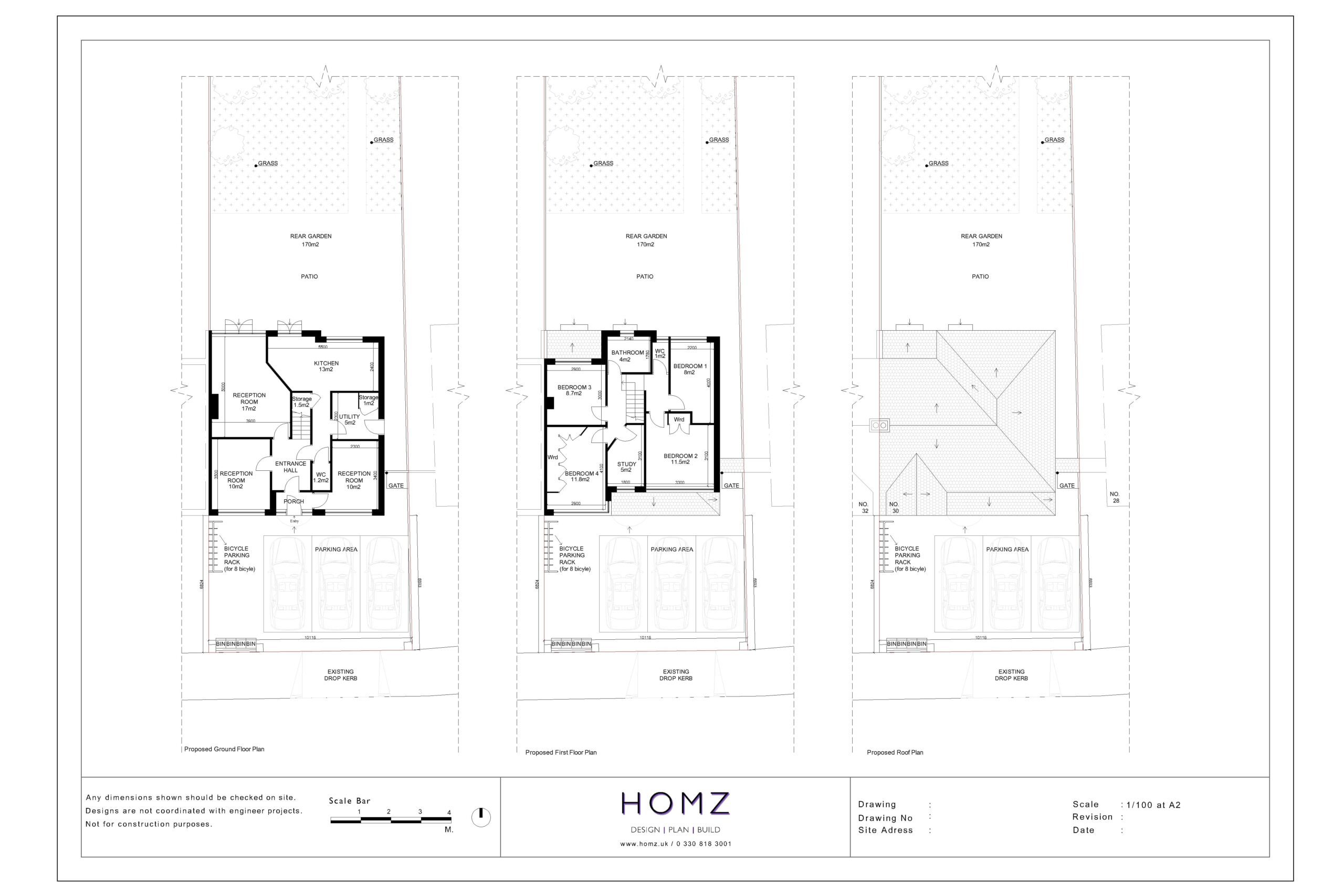
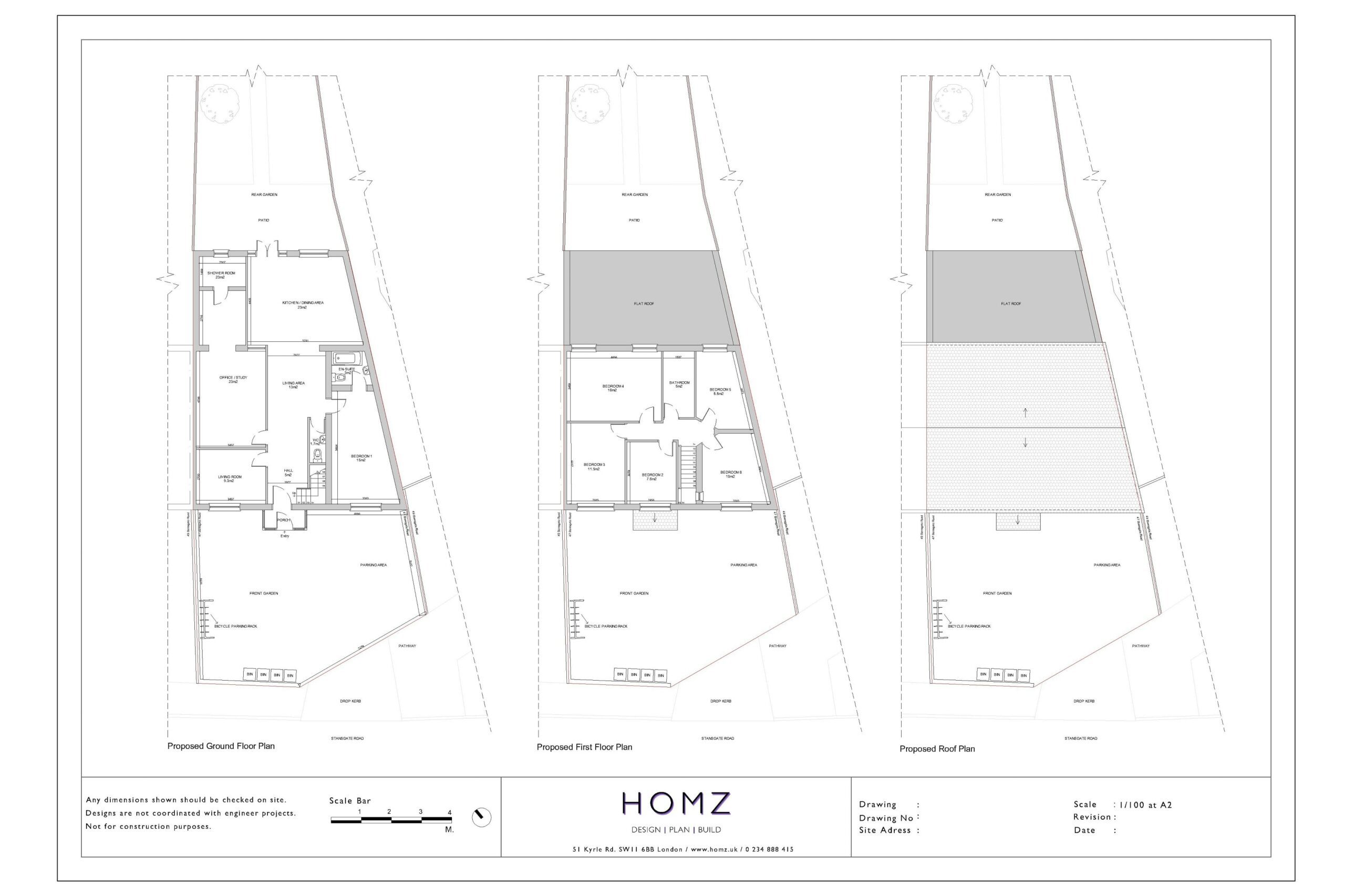
When preparing your property for an HMO Licensing Application, it’s important to showcase the improvements you’ve made in your HMO plans and layouts. To ensure accuracy, it’s best to have an expert team process your plans, including the necessary survey. With our team’s help, you can be confident that your plans will be processed in the most accurate way possible.
Here are the elements required for inclusion in your HMO plans when submitting your HMO licensing application:
[/vc_column_text][/vc_column][/vc_row][vc_row color_scheme=”footer-bottom” columns=”3″ columns_gap=”1rem” height=”small” conditions=”%5B%5D” css=”%7B%22default%22%3A%7B%22border-radius%22%3A%22px%22%2C%22border-left-width%22%3A%220%22%2C%22border-top-width%22%3A%220%22%2C%22border-bottom-width%22%3A%220%22%2C%22border-right-width%22%3A%220%22%2C%22border-color%22%3A%22%231a1a1a%22%7D%7D”][vc_column width=”1/3″][us_text text=”• Key structural elements: chimney breasts, bay windows, and staircases.”][/vc_column][vc_column width=”1/3″][us_text text=”• Label the rooms (e.g., lounge, kitchen, bedroom).”][/vc_column][vc_column width=”1/3″][us_text text=”• Specify the approximate floor area for each room.”][/vc_column][/vc_row][vc_row height=”small” color_scheme=”footer-bottom” columns=”3″ columns_gap=”1rem”][vc_column width=”1/3″][us_text text=”• Use symbols to indicate main features and facilities (e.g., doors, bath, cooker).”][/vc_column][vc_column width=”1/3″][us_text text=”• Show 30-minute fire doors with smoke seals (FD30s) appropriately.”][/vc_column][vc_column width=”1/3″][us_text text=”• Show the location of emergency lighting (EL) fixtures.”][/vc_column][/vc_row][vc_row height=”small” color_scheme=”footer-bottom” columns=”3″ columns_gap=”1rem”][vc_column width=”1/3″][us_text text=”• Show the placement of smoke detectors (S) and smoke detectors with sounders (S).”][/vc_column][vc_column width=”1/3″][us_text text=”• Show the position of fire blankets (FB) in the kitchen area.”][/vc_column][vc_column width=”1/3″][us_text text=”• Display powder fire extinguishers (PFE), water-type fire extinguishers (WFE), and other type of fire extinguisher (OFE).”][/vc_column][/vc_row][vc_row columns=”1″][vc_column][vc_column_text]
Unlock the Full Potential of Your HMO: Let Us Handle Your License, Plans and Certificates!
Simplify the complexities of HMO licensing and planning with Homz. Our dedicated team specialises in guiding you through every step of the process, ensuring a seamless experience from start to finish. Whether you’re embarking on an HMO conversion or managing existing HMO plans, we provide expert support tailored to your needs. From securing planning permission to navigating compliance with regulations such as HMO room sizes, space standards, and Article 4 direction, we handle it all with precision and efficiency. Contact us today to discuss your HMO application and plans, and let us help you achieve your goals.
Note: Please make sure you double-check with your council’s HMO Licence requirements before taking any action.
[/vc_column_text][/vc_column][/vc_row]