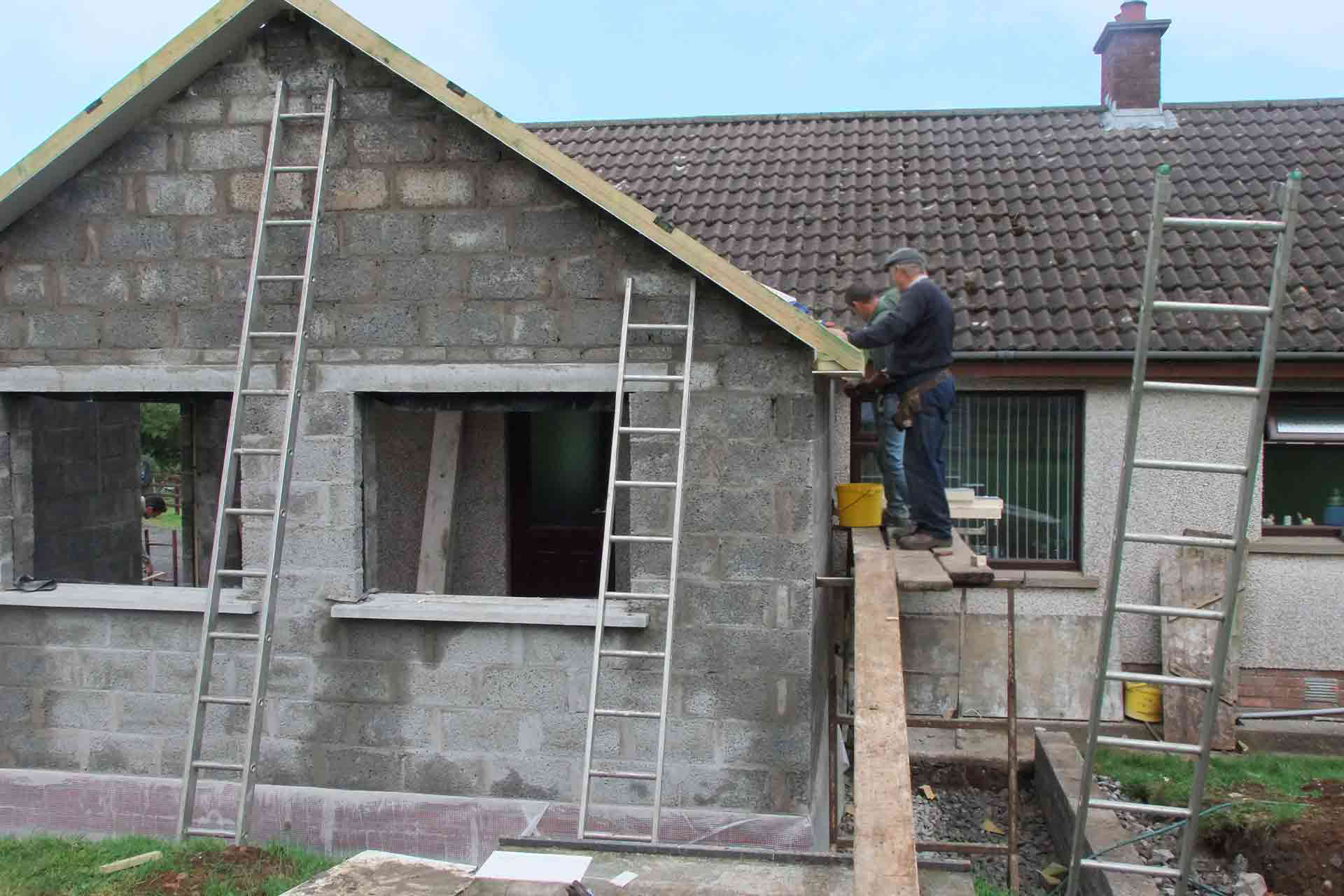
Tag: Retrospective Planning Permission

  • What is the 10-Year Rule for Retrospective Planning Application?

    What is the 10-Year Rule for Retrospective Planning Application?

    Have you ever wondered if a development built without planning permission can still be legitimised? The 10-year rule for retrospective planning consent might just hold the answer. This intriguing aspect of UK country planning act allows certain unauthorised developments to gain lawful status with lawful development certificate, provided they’ve stood the test of time. Whether you’ve inherited a property with unapproved work or made changes without realising permission from local authority was needed, the 10-year rule offers a possible solution. In this guide, we’ll explore what the rule entails, its quirks, and how you can use it to your advantage. If you’ve ever felt unsure about retrospective planning permission, this might be the clarity you’ve been seeking!

    Why is Planning Permission Important?

    Obtaining planning permission is a vital step in ensuring that your development complies with local and national regulations. It’s not just a procedural requirement—it helps protect community interests, preserve neighbourhood character, and maintain safety standards. Failing to secure approval required planning permission can result in enforcement actions, leading to expensive modifications or even the removal of unauthorised work by local planning authority.

    That said, not all changes require full planning permission. Permitted Development Rights (PDRs) allow certain types of work—such as modest extensions or interior alterations—to proceed without a formal application, as long as they meet specific criteria. While PDRs offer valuable flexibility, understanding whether your project qualifies can be tricky. Engaging a professional early on to determine if your plans fall within permitted development rights, is invaluable.

    This is where Pre-Planning Advice comes into play. By seeking expert guidance, you can clarify any uncertainties, align your project with the rules, and avoid unnecessary delays. To explore how our team can help, visit our Pre-Planning Advice page.

    If your development doesn’t qualify as Permitted Development and has been carried out without prior planning permission, you may face enforcement action from the local planning authority. This formal enforcement action usually comes in the form of an Enforcement Notice, requiring you to either rectify or remove the unauthorised work by local authority. Receiving an enforcement notice can be stressful, as it not only disrupts your plans but also carries potential legal and financial implications if enforcement notice is not handled correctly.

    Understanding your options and responding appropriately is crucial in these situations like receiving such a notice. Whether it’s applying for retrospective planning application or negotiating adjustments to your project, having the right guidance can make all the difference. To gain a thorough understanding of handling enforcement notices from your local planning authority, explore our in-depth article: Received an Enforcement Notice from the Council – What Should I Do Now?.

    What is the 10-Year Rule? How Unauthorised Developments Can Become Lawful

    The 10-Year Rule is a valuable provision within UK country planning act that offers a pathway for property owners to legitimise unauthorised developments by local authority. Under this rule, if a development—whether an extension, alteration, or other construction—is carried out without the necessary planning permission, but remains unchanged and in continuous use for a period of 10 years, it can become lawful by default. This means that, after 10 years, enforcement action is barred, and the development is recognised as compliant with town and country planning, rules and regulations, even if formal permission was never granted at relevant time limit the outset.

    For individuals navigating planning challenges, the 10-Year Rule planning offers an essential pathway to regularise long-term issues and align developments with legal requirements.

    How Does the 10-Year Rule Work?

    The 10-Year Rule is a legal provision enabling certain unauthorised developments to become lawful after a set period—specifically, 10 years from the completion of the work. This rule covers various property modifications, such as extensions, alterations, outbuildings, and changes to boundaries.

    Eligibility

    The 10-Year Rule is applicable to physical changes or extensions to properties, which may include:

    • Structural Additions: Extensions, garages, conservatories, loft conversions, and similar structures.
    • Alterations: Internal modifications, external changes, and other adjustments that do not comply with the initial required planning permission retrospectively.
    • Boundary Changes: Modifications to property boundaries, fencing, walls, and landscaping.
    • Outbuildings: Sheds, summerhouses, and other standalone structures.

    To take advantage of this rule, the property must show that the development has been in place for a minimum of 10 years without intervention from the local planning authority. This often requires submitting a Certificate of Lawful Existing Use or Development (CLEUD).

    Process

    To apply under the 10-Year Rule, property owners must gather evidence proving that the development has been in use for the required period. This includes providing historical records, photographs, and any other documentation to demonstrate continuous use. Once submitted, the local planning authority will review the application, and if no enforcement action has been taken within the 10-year period from substantial completion, the development becomes lawful by default.

    Benefits

    The primary benefit of the 10-Year Rule is that it offers a legal safeguard, ensuring that developments are immune from future enforcement action. Once the 10-year threshold is met, property owners can continue with their development without the risk of being ordered by court order to remove or alter it. This rule provides a sense of security and stability, allowing property owners to plan future changes with confidence.

    What Are the Limitations and Considerations of the 10-Year Rule?

    While the 10-Year Rule provides a valuable pathway for regularising unauthorised developments, there are key limitations and factors that may impact its application:

    Protected Areas

    Developments within protected areas, such as conservation zones, Areas of Outstanding Natural Beauty (AONB), or heritage sites, often come with stricter restrictions. These areas are typically managed to preserve their unique natural, ecological, and historical value, meaning that even if a development meets the 10-year rule, additional permissions or assessments may be required. This is due to the heightened sensitivity of these locations, and particular circumstances, which necessitate a thorough evaluation of potential impacts on the environment, wildlife, and cultural heritage.

    For example, in conservation zones, developments must demonstrate minimal impact on local ecosystems and biodiversity. Similarly, in Areas of Outstanding Natural Beauty (AONB), visual and scenic quality of conservation area is a priority, and developments must harmonise with the surrounding landscape. Heritage sites may require specialist historical assessments to ensure that proposed changes do not compromise their significance.

    For tailored advice, it’s important to consult professionals experienced in green belt planning permission matters. Our detailed guide, Can You Develop or Extend Your Property in Green Belt Without Full Planning Permission?, provides comprehensive insights on the topic.

    Proximity to Listed Buildings

    Applying the 10-Year Rule near listed buildings can be particularly complex. These buildings are legally protected for their historical, architectural, and cultural importance. Any changes or developments must be carefully evaluated to ensure they preserve the structure’s integrity and do not diminish its historical significance.

    The main concern with listed buildings is the preservation of their authenticity. Alterations, even if they have been in place for 10 years, must be carefully evaluated to ensure they align with the standards set out by the local planning authority or heritage and conservation bodies. These assessments take into account factors such as the building’s age, architectural style, materials used, and the impact on its surrounding environment.

    Additionally, proposed changes near listed buildings may require specialist consultations with heritage consultants or architects experienced in heritage conservation. This is to ensure that any modifications respect the building’s historical context while meeting modern-day requirements.

    To effectively address these complexities, seeking expert advice is highly recommended. For personalised support and detailed information on managing developments near listed buildings, feel free to visit our contact page: Get in Touch for tailored assistance.

    Complexity

    For more intricate developments—particularly those involving substantial structural changes, sensitive areas, or projects generating significant public interest—professional advice is indispensable. These situations often require a deeper understanding of breaches of planning regulations, environmental considerations, and community impact, making expert guidance essential.

    Seeking advice from a planning consultant or legal professional can provide tailored support, ensuring that all aspects of the proposed development are carefully evaluated. This includes assessing how the 10-Year Rule applies, addressing any potential challenges, planning consent, and navigating any legal complexities that may arise.

    By leveraging expert knowledge, property owners can manage the complexities associated with building works together with the 10-Year Rule effectively. This ensures that developments adhere to legal standards, minimise potential risks, and achieve smoother, more successful outcomes without unnecessary complications.

    For further assistance or tailored advice, consider reaching out to professionals at Homz for a comprehensive approach to managing complex planning scenarios. Additionally, if you’re in need of pre-planning advice, our Pre-Planning Advice service can help guide you through the early stages of your project.

    Why is Professional Guidance Crucial for the 10-Year Rule?

    Navigating the complexities of planning control, including the 10-year rule, can feel overwhelming for property owners. Each development comes with its own set of regulations, restrictions, and potential challenges, making it essential to have the right support.

    Working with experienced professionals, such as planning consultants or legal advisors, is crucial to ensuring all required documentation is correctly prepared and submitted. Their in-depth knowledge of the planning process can provide invaluable guidance, from conducting initial evaluations to handling the submission of a Lawful Development Certificate Existing Use or Development (CLEUD), if applicable.

    Seeking professional assistance offers more than just help with paperwork; it simplifies the entire process by minimising errors and miscommunication. Skilled advisors are well-versed in national and local standards and regulations, can foresee possible challenges, and deliver practical, customised solutions to suit your unique project needs.

    This is where Homz Steps In to Guide You

    At Homz, we provide expert support to navigate the complexities of planning permissions. Our Pre-Planning Advice service offers detailed insights, helping you make well-informed decisions and ensuring your project progresses smoothly and successfully.

    Understanding planning law, especially the 10-year rule and retrospective application of planning permission, can be a complex and daunting process. That’s where we step in. With our extensive experience and expertise in planning regulations, we ensure that all necessary documentation and planning conditions is prepared accurately, minimising the risk of delays or complications.

    For tailored assistance and expert guidance, reach out to Homz or explore our Pre-Planning Advice service. Get in touch with us directly and let us guide you through your project, ensuring a seamless journey from start to finish.

    Frequently Asked Questions (FAQ) – 10-Year Rule for Retrospective Planning Permission

    1. What is the 10-Year Rule for Retrospective Planning Permission?

    The 10-Year Rule allows property owners to regularise unauthorised developments if they have existed for at least 10 years without enforcement action. Once this period is met, the development can become lawful by default, even if formal planning permission was not obtained initially.

    2. Who can benefit from the 10-Year Rule?

    Property owners with unauthorised developments such as extensions, alterations, outbuildings, and boundary changes can potentially benefit from the 10-Year Rule. However, specific criteria must be met, and in some cases, professional guidance is recommended.

    3. How do I apply for the 10-Year Rule?

    To apply for the 10-Year Rule, you’ll need to provide evidence showing that the development has been in use for at least 10 years. This could include historical records, photographs, and documentation that prove continuous use. In some cases, a Lawful Development Certificate Existing Use or Development (CLEUD) may be required. If you’d like more guidance or have any questions, feel free to Reach Out To Us for personalised assistance.

    4. What are the limitations of the 10-Year Rule?

    The 10-Year Rule has limitations, especially in protected areas such as conservation zones, Areas of Outstanding Natural Beauty (AONB), or near listed buildings. These areas have stricter regulations and may require additional permissions or specialist assessments.

    5. How does the 10-Year Rule work for listed buildings?

    Developments near listed buildings require careful consideration, even after 10 years. Changes must be carefully evaluated to ensure they do not compromise the historical integrity of the building. Specialist advice from heritage consultants or architects is often necessary.

    6. What if my development doesn’t qualify for Permitted Development?

    If your development doesn’t qualify for PDR and is unauthorised, you may face enforcement action. Seeking professional advice is crucial to manage these situations effectively and potentially apply for retrospective planning permission. Reach Out To Us for personalised assistance.


  • What is a Retrospective Planning Permission Made Under Section 73A?

    What is a Retrospective Planning Permission Made Under Section 73A?

    Navigating granted planning permissions can sometimes feel like venturing into uncharted territory, especially when dealing with retrospective applications under Section 73A. Whether you’ve made changes to your project that weren’t in the original approval or you’re looking to address works that have already been completed, Section 73A applications offer a route to regularise and refine planning conditions. However, understanding this process often raises a host of questions: What makes a Section 73A application different? How long does it take? Can it be appealed? How it will be matched with local planning authority?

    In this article, we’ll demystify the world of Section 73 and 73A applications, breaking down the key details, from time limits and requirements to the steps involved in navigating the process. By the end, you’ll have the clarity needed to make informed decisions and approach your planning needs with confidence. Let’s dive in!

    Understanding Section 73A of the Town and Country Planning Act

    To fully grasp Section 73A, it’s essential to first understand Retrospective Planning Permission. Retrospective planning is the process of seeking approval for developments or changes made to a property after the work has been carried out, without the necessary planning permission granted at the time of construction. This allows individuals and businesses to address projects that may not have followed proper planning procedures and ensure compliance with current regulations. For a more detailed explanation, you can read our guide: Retrospective Planning Permission – Do You Need Planning Permission if You’ve Built Without Planning Approval?

    What is Section 73A?

    Section 73A, on the other hand, deals specifically with retrospective planning permission. While Section 73 deals with variations to an already approved scheme, Section 73A provides a route to get previous permission to regularise unauthorised works and developments. This means that if a property owner has completed building works or non material amendments to a property without first obtaining the necessary planning permission, they can apply under Section 73A to gain retrospective approval.

    Connection Between Section 73A and Retrospective Planning Application

    Section 73A and retrospective planning applications are intricately connected, as they both address situations where developments have occurred without prior planning permission. However, while they share a similar purpose, they differ in scope and application date.

    Section 73A specifically deals with developments where work has already been completed without obtaining the necessary planning permission. This section provides a formal route for property owners to retrospectively obtain planning permission or seek approval for unauthorised developments, ensuring that these projects meet current planning policies and regulations. It allows for modifications to approved plans or even the regularisation of unauthorised work, provided they align with local planning requirements.

    Retrospective Planning Permissions cover a broad spectrum of developments that have been carried out without prior planning permission. These applications can pertain to various types of projects, ranging from small alterations and extensions to larger constructions. Section 73A is a focused aspect within this broader category, specifically dealing with unauthorised work and ensuring compliance through a well-defined process.

    Both Section 73A and retrospective planning applications serve to help property owners regularise and bring their developments in line with legal standards. Gaining a thorough understanding of these processes is crucial for anyone navigating retrospective planning situations, facilitating a more efficient route to compliance and approval.

    What Situations Call for Retrospective Applications Under Section 73A?

    Retrospective planning applications under Section 73A are often required in situations where developments have been carried out without the necessary planning permission. These situations typically arise when property owners or developers make alterations, extensions, or other modifications to their property, only to realize after completion that they did not obtain prior approval.

    Common scenarios that may necessitate a retrospective application include:

    1. Unapproved Extensions or Alterations: Adding extensions, converting spaces, or modifying existing structures without seeking planning permission.
    2. Change of Use Without Consent: Altering the use of a property, such as converting a residential property into a commercial space, without obtaining the appropriate change of use permission.
    3. Unauthorised Works: Engaging in works like erecting structures, demolishing buildings, or altering landscaping without prior approval.
    4. Temporary Structures: Installing temporary buildings or structures (e.g., sheds, greenhouses, or temporary event structures) without obtaining the necessary permissions.
    5. Minor Variations to Approved Plans: Implementing small changes or deviations from approved plans that still require formal approval to comply with planning regulations.

    These situations often lead to retrospective applications because the property owner failed to seek the necessary permissions in advance. In cases where unauthorised developments are flagged by local authorities through enforcement notices, a retrospective application becomes essential to resolve compliance issues. For more information on enforcement notices and how to handle them, you can refer to our detailed guide: Received an Enforcement Notice from the Council? What Should I Do Now?

    Section 73A of the Town and Country Planning Act provides a mechanism for making changes to an existing planning permission. It allows property owners or developers to apply to conditions of a previously approved plan or to regularise unauthorised developments. This section is particularly useful in situations where developments have been carried out without prior planning approval or where minor modifications are required to an existing approved plan.

    How Does Section 73A Work?

    1. Amending Conditions: Section 73A allows for the variation or removal of conditions attached to a previous planning permission. For example, if a specific condition restricts the use of a property or imposes design specifications that are no longer practical or feasible, a Section 73A application can be made to revise those conditions.
    2. Regularising Unauthorised Developments: In cases where works have been completed without the necessary planning permission, a Section 73A application provides a route to amend existing permissions to reflect the current situation, thereby ensuring compliance with planning policies.
    3. Improving Flexibility: Section 73A helps streamline processes, offering more flexibility in managing developments while maintaining control over planning policies and regulations.

    Overall, Section 73A serves as a valuable tool for managing changes to previously approved planning permissions and addressing unauthorised developments in a formal and compliant manner.

    What is the Time Limit for Section 73A Applications?

    Section 73A of the Town and Country Planning Act provides a way to vary or amend conditions of an existing planning, grant of permission or regularise unauthorised developments. While Section 73A does not have a strict statutory time limit, it is important to understand how time can impact the application process.

    Time Limit for Section 73A Applications:

    1. General Planning Application Duration:
      For context, most planning applications in the UK typically take between 8 to 13 weeks to process. However, this can depending on the complexity of the project, local planning authority, and public consultation requirements. For more information, you can refer to our detailed article on How Long Does Planning Permission Take in the UK?
    2. Section 73A Application Specifics:
      While Section 73A itself doesn’t specify a hard deadline, prompt action is recommended to avoid complications. Delays may impact how well the application aligns with current planning policies and regulations.
    3. Enforcement Considerations:
      If enforcement action is being taken against unauthorised works, delays can lead to more restrictive measures or additional requirements for rectification. Thus, addressing Section 73A matters quickly helps in managing and rectifying unauthorised developments efficiently.

    In summary, although Section 73A applications do not have a fixed timeline, gaining insight into the broader planning timelines and potential enforcement risks can assist property owners in managing the development process more efficiently.

    What is the Difference Between Section 73A and Section 74?

    Section 73A and Section 74 of the Town and Country Planning Act address different aspects of planning control, specifically when it comes to managing and amending planning conditions. Although both sections deal with changes to planning permissions, they serve distinct purposes and are used in different situations.

    Section 73A:

    Section 73A primarily deals with the amendment or removal of conditions attached to an existing planning permission. This section allows property owners and developers to seek changes to the conditions imposed on a previously approved development. The key purpose of Section 73A is to provide flexibility, ensuring that developments can evolve in response to changing circumstances, without requiring a new full planning application. For instance, if a project was approved under specific conditions, but the developer needs to make alterations, Section 73A allows for those changes to be legally formalised. This is especially useful for retrospective applications where developments have been carried out without fully meeting the the original planning permission conditions.

    Section 74:

    In contrast, Section 74 focuses on enforcement actions. This section is used when unauthorised developments are identified, meaning work has been carried out without the necessary planning permission or fails to meet approved conditions for new permission. Section 74 allows local planning authorities to issue enforcement notices, requiring rectification or reversal of such unauthorised work. This ensures that developments adhere to the approved planning policies and legal requirements. In essence, while Section 73A is about flexibility and amendments, Section 74 deals with non-compliance and enforcement.

    In summary, Section 73A allows for amendments to approved plans, while Section 74 focuses on enforcement and compliance with planning regulations. Together, these sections ensure that developments are managed responsibly, maintaining a balance between flexibility and control.

    What is Needed for a Section 73A Application?

    Preparing a Section 73A application is more than fulfilling legal requirements; it’s about presenting a strong, well-supported case that meets planning standards and ensures compliance. By taking a thoughtful approach, you can streamline the process and increase the likelihood of a successful outcome. Here’s what you need to know:

    Start with Pre-Planning Advice

    While not a mandatory step, seeking pre-planning advice from an experienced planning consultant can significantly strengthen your application. A professional can identify potential obstacles, guide you through local policies, and ensure your proposal aligns with current planning requirements. This early step can save time and help avoid costly revisions later on.

    Learn more about how pre-planning advice can benefit your project here: Pre-Planning Advice. You can also explore the importance of planning and development appraisals in understanding your project’s potential: Planning vs. Development Appraisal Guide.

    The Role of Architectural Drawings

    Clear and accurate architectural drawings are fundamental to any Section 73A application. These drawings illustrate the unauthorised work and demonstrate how it fits within its context, highlighting compliance with planning standards. A skilled architect can ensure these drawings communicate your vision effectively, address any planning concerns, and enhance the credibility of your application.

    For a Section 73A application, the quality of your planning drawings can make a significant difference. These drawings not only illustrate the details of the unauthorised development but also demonstrate how the work aligns with planning regulations and its surrounding context. Ensuring your drawings are precise and well-prepared adds clarity and professionalism to your application.

    Collaborating with a skilled architect can take this a step further. Architects bring a deep understanding of planning requirements and can create drawings that effectively address potential concerns from the local government and planning authorities. Their expertise helps showcase your development in the best possible light, making your application stronger and more compelling.

    For expert insights on creating impactful planning drawings, visit: Planning Drawings for Applications. To explore why hiring an architect is a valuable investment for your application, check out: Why Hiring an Architect Can Help.

    Essential Documentation

    A comprehensive Section 73A application package typically includes:

    • Application Form: Fully completed with all required details.
    • Site Location Plan: Showing the boundaries of the site and surrounding context.
    • Existing and Proposed Plans: Highlighting the unauthorised work and any intended changes.
    • Supporting Statements: Explaining the reasons for the retrospective application and addressing potential concerns.
    • Additional Consents: Required for listed buildings or protected areas.
    • Application Fee: The fee must be accurately calculated and paid.

    Putting It All Together

    Preparation is the cornerstone of a successful Section 73A application. By combining expert advice, well-crafted drawings, and a complete set of documents, you can build a strong case that demonstrates your commitment to compliance. Whether you’re addressing past oversights or seeking to regularise changes, a well-prepared application paves the way for a smoother process and a positive outcome.

    Can You Appeal a Section 73A Application?

    Submitting a Section 73A application can be a complex process, with outcomes often depending on how well the proposal aligns with local planning policies and how well any concerns raised by the local authority are addressed during the review. A clear understanding of these aspects can greatly increase the likelihood of a successful application. For more in-depth insights into what impacts success rates and tips for strengthening your application, check out our comprehensive guide: What Is the Success Rate of the Retrospective Planning Application?.

    However, if your Section 73A application is refused, it’s important to know that there are still options available. You have the right to appeal the decision notice through the Planning Inspectorate or escalate the matter to the High Court for further consideration if necessary. This process allows you to challenge the refusal by providing additional evidence, addressing misunderstandings, or presenting compelling arguments that may not have been fully considered initially. An appeal offers a second opportunity to demonstrate why your development should be approved, even if there were concerns about its impact or compliance.

    Preparing for an appeal is vital, requiring meticulous documentation and a deep understanding of planning policies and regulations. Our article, Can You Appeal a Retrospective Planning Application Refusal?, offers practical guidance to assist you in confidently navigating this process. By adopting the right approach and seeking expert advice, setbacks can be transformed into new opportunities for your project.

    Why Homz is the Right Choice for Your Retrospective Planning Permission Made Under Section 73A?

    Navigating retrospective planning permission under Section 73A can be challenging, but with Homz, you have a reliable partner by your side. Our skilled professionals are well-versed in planning regulations and are committed to guiding you through the process to ensure the best possible outcome for your project.

    At Homz, we provide customised support to ensure your Section 73A application is meticulously prepared and effectively presented. We prioritise addressing any concerns raised by local planning authorities, enhancing your chances of success. With our specialised knowledge, you can confidently manage the intricacies of retrospective planning.

    Choose Homz for a smooth and efficient approach to your Section 73A planning needs. Contact us today, and let’s make your project a success!

    FAQ: Section 73A Retrospective Planning Permission

    1. What is Section 73A?
    Section 73A of the Town and Country Planning Act allows for retrospective planning permission to be sought for unauthorised developments to get granted planning permission. This means an applicant applying for approval after works have been carried out without prior planning permission, ensuring that developments meet current planning policies and regulations.

    2. Why might a Section 73A application be necessary?
    A Section 73A application is often required when changes or developments are made to a property without obtaining the necessary planning permission. This could include extensions, alterations, changes of use, or temporary structures. It allows property owners to rectify these situations while ensuring compliance with planning standards.

    3. What types of changes can be made under Section 73A?

    Under Section 73A, changes can be made to a previously approved development that do not significantly alter its scope or impact. This less significant change can include minor alterations such as changes to materials, layout, design, or other non-substantial aspects.

    4. What is the process for submitting a Section 73A application?

    The process usually entails submitting a detailed request for the proposed changes, along with supporting documents. The local planning authority then evaluates the application to determine if the changes are acceptable. With expert guidance, this process can lead to a smoother and more successful outcome. For expert guidance and assistance, feel free to Reach Out to Us.

    5. How does Section 73A impact neighbouring properties?

    Section 73A amendments are limited to non-material changes in land used, so they typically do not have significant impacts on neighbouring properties. However, any potential impacts are reviewed by the local planning authority.

    6. How do local authorities ensure Section 73A amendments are reasonable?

    Local planning authorities review each application to ensure that the proposed changes are indeed non-material and do not significantly alter the development’s approved characteristics or impact.

  • Time Limits on Planning Enforcement: When Is Action No Longer Possible?

    Time Limits on Planning Enforcement: When Is Action No Longer Possible?

    Imagine making changes to your property, only to wonder years later—can the local planning authorities still take action against me? Planning enforcement process isn’t always immediate, and time limits play a major role in deciding whether past breaches can still be challenged. These legal cut-off points can mean the difference between having to undo unauthorised work or being in the clear. But how do these deadlines work? Are there exceptions? And what happens when enforcement is no longer an option?

    In this article, we’ll uncover the time limits that define planning enforcement, explore the nuances that could extend or override them, and clarify what property owners, developers, and planners need to know to avoid potential pitfalls. Whether you’re dealing with an old extension, a long-standing use of land, or an unnoticed planning oversight, understanding these rules can be the key to protecting your property interests.

    What Is Planning Enforcement?

    Planning enforcement is the process local authorities use to address breaches of planning control—whether it’s an unauthorised single dwelling house extension, a change in land use without permission, or failure to comply with approved planning conditions elsewhere. While some such planning control breaches are accidental, others stem from a lack of awareness or an attempt to bypass regulations. Either way, local planning authorities have the power to investigate and, if necessary, take action to rectify the situation.

    The enforcement process typically begins with an inquiry into the suspected breach. In many cases, this starts with a Planning Contravention Notice (PCN)—a formal request for information from the property owner or developer. A PCN is not an enforcement action in itself, but it signals that the local planning authority is investigating potential non-compliance. Ignoring it or providing misleading information can lead to legal consequences, so it’s a notice that shouldn’t be taken lightly. For a deeper dive into PCNs, check out our detailed article on what to do when you receive one: What is a Planning Contravention Notice? Don’t Let a PCN Derail Your Project.

    If a breach is confirmed and the local planning authority deems it necessary to act, they may issue an Enforcement Notice, which sets out what must be done to remedy the situation—whether that’s making alterations, applying for retrospective planning permission, or even demolishing unauthorised work. Enforcement notice can escalate further if these requirements aren’t met, potentially leading to fines or legal proceedings. If you’re wondering what to do if you receive an Enforcement Notice, our article on the subject may be helpful: Received an Enforcement Notice from the Council? What Should I Do Now?.

    However, enforcement isn’t always straightforward. Time limits exist that can prevent local planning authorities from taking action against older breaches, and understanding these deadlines is crucial for property owners and developers alike. So, when does enforcement become impossible? Let’s explore.

    Appeal Enforcement Notice by Homz ChatGPT hata yapabilir. Önemli bilgileri kontrol edin. ?

    The Role of Time Limits in Planning Enforcement

    Time limits play a fundamental role in the planning enforcement process, providing structure and clarity for both authorities and property owners. These limits are designed to ensure that enforcement action is taken within a reasonable and appropriate timeframe, balancing the need for justice with the reality of practical circumstances. The underlying principle is to avoid disputes lingering indefinitely, giving both parties a clear sense of when an issue will be addressed, and when it’s no longer valid for formal enforcement action.

    Without time limits, a planning breach could be pursued years or even decades after the event, which could lead to unfair consequences for property owners and developers. Moreover, as time passes, the relevance of an infraction may diminish—buildings age, changes in land use may be accepted as part of the local environment, and evidence of serious breach becomes harder to gather. Time limits help ensure that action is taken while the sufficient evidence of alleged breach is still fresh and the impact of the breach can still be effectively addressed.

    This sense of certainty is crucial in maintaining fairness in the planning system. By setting clear boundaries, time limits protect property owners from being indefinitely haunted by past planning mistakes while ensuring that breaches are dealt with promptly when it’s most relevant and actionable.

    How Long Can Planning Enforcement Action Be Taken?

    In UK planning law or National Planning Policy Framework, specific time limits are set to determine how long enforcement action can be taken against planning violations. These timeframes serve to balance the need for timely enforcement with the reality that developments evolve over time, and the impact of such violations changes with context and community growth. However, it’s important to approach these rules with caution—relying too heavily on these time limits for taking enforcement without proper checks can lead to serious consequences, especially if the violation is later discovered.

    Four Years for Building Works:

    When it comes to unauthorised building works—whether it’s an extension, illegal structure, or a conversion—enforcement action can only be pursued within four years from the completion of the work. After this period, the development becomes immune from enforcement action, meaning that the local authority cannot demand changes or demolition, and the work effectively becomes legal due to the passage of time.

    While this four-year rule might sound like a safety net, it’s essential to understand that it doesn’t mean that you can simply proceed with unauthorised work and assume it will always be overlooked. The risk of enforcement is real if the development is noticed within that time frame. In some cases, the local town and country planning authority may issue an enforcement notice that requires you to undo the work before the four years are up.

    Ten Years for a Material Change of Use:

    The regulations regarding unauthorised material changes of use—such as converting a residential property into a commercial establishment or altering the intended purpose of land—permit a longer enforcement period of up to ten years. This extended timeframe recognises the potentially profound and long-term effects that such changes can have on the local environment and infrastructure. Once the ten-year period has passed, however, the change becomes lawful, and no further enforcement action can be taken.

    Yet, just like the four-year rule, relying on the assumption that ten years of immunity can always protect your actions is risky. It is very possible that, during this ten-year period, the local authority might detect the unauthorised change of use, leading to the possibility of enforcement action and, if necessary, a retrospective planning permission. Failing to follow the correct procedures within that time frame can result in substantial legal and financial repercussions.

    For more on the Ten-Year Rule—which applies specifically to retrospective planning applications—check out our detailed guide here: What is the 10-Year Rule for Retrospective Planning Application?.

    When Can the Time Limits Be Extended?

    While the general time limits for planning enforcement action are clearly defined, there are certain circumstances where these time limits can be extended or reset. This flexibility is built into the system to account for situations where breaches are continuous, hidden, or difficult to detect. Here are the main circumstances in which the time limits can be extended:

    Continuous Breaches:

    If a breach of planning control is ongoing, the time limit for enforcement can be extended. For example, if a property has been built or altered without the necessary planning permission and the unauthorised use or building works continue to operate, the time limits do not begin until the breach has stopped. This means that, in the case of continuous breaches, the local planning authority can take enforcement action as long as the infraction persists. Once the unauthorised works or use is brought to an end, the standard time limit clock will start ticking from that point.

    This extension ensures that developments other breaches that are still in progress or have ongoing consequences can be addressed promptly, rather than allowing the breach to “escape” enforcement simply because it was not immediately noticed or dealt with.

    Failure to Disclose or Concealment of Breach:

    If a breach goes unnoticed by the authorities, or if the details are deliberately concealed or altered, the enforcement time limits can be extended. For instance, if a property owner intentionally hides unauthorised construction work or submits false paperwork to mislead authorities, the clock on the time limit may be reset. This safeguard ensures that individuals who actively attempt to bypass planning laws cannot avoid enforcement simply because the violation was not detected right away.

    The law acknowledges that breaches hidden through deception or poor disclosure may go undetected for four year period or longer, and therefore the time limits for enforcement action should be adjusted to ensure that these breaches are still addressed fairly.

    Why It’s Important to Act Early

    While the rules around extending time limits may seem like a safety net for property owners and developers, it’s always wise to remember that these exceptions are not automatic and often depend on the specific circumstances. Relying on the assumption that a time limit will be extended is risky, as authorities may still take action when issues are discovered—even after the time limits have passed. It’s always safer to take proactive steps to ensure your development complies with existing planning permission and regulations, rather than waiting for the clock to run out or hoping that a breach can be hidden from authorities.

    What Happens Once the Time Limit Expires?

    Once the enforcement time limit has passed, the local planning authority (LPA) can no longer take enforcement action against the breach. This means that, even if the development or change of use was initially unauthorised, it becomes “immune” from enforcement due to the passage of time. However, it is important to understand that immunity does not automatically make the development legal or compliant with planning regulations—it simply means the LPA has lost the ability to take action against it.

    Immunity vs. Lawfulness: A Crucial Distinction

    • Immunity from Enforcement: The expiry of the enforcement period prevents the local planning authority from issuing enforcement warning notices or requiring changes. However, this does not mean the development is formally approved or that it complies with planning policies.
    • Lawfulness Through a Lawful Development Certificate (LDC): Even after the enforcement period has passed, property owners may still need to apply for a Lawful Development Certificate (LDC) to confirm the development or use is now considered lawful. This certificate provides proof that the council acknowledges the breach is no longer subject to enforcement. Without an LDC, uncertainties may arise, particularly when selling or financing the property.

    Potential Risks Even After the Time Limit

    Although enforcement notice is no longer possible after the time limit expires, there are still risks associated with unauthorised developments, including:

    1. Legal and Financial Uncertainty: If a property owner wants to sell, refinance, or make further modifications, potential buyers, mortgage lenders, or solicitors may require confirmation of the property’s planning status. Without an LDC, these transactions could be complicated.
    2. Restrictions on Future Changes: Even though enforcement is no longer possible, any future alterations to the property may require planning permission, and the original breach might still be considered in future planning decisions.
    3. Other Regulatory Issues: While the time limit protects against planning enforcement, it does not override other legal obligations, such as building regulations or covenants that may still apply.

    What Should You Do If a Breach Has Become Immune?

    If an unauthorised development or change of use has passed the enforcement time limit, it means the local planning authority can no longer take action. However, just because the breach is immune from enforcement doesn’t mean the development is automatically legal or free from future complications. Here’s what you should consider doing next:

    Apply for a Lawful Development Certificate (LDC):

    Even if the development is immune from enforcement, it’s still important to have it officially recognised as lawful. An LDC provides formal confirmation that the development or change of use is no longer subject to enforcement notice, offering greater certainty for future decisions. Whether you’re planning to sell, lease, or make further changes, an LDC ensures that the property’s legal status is clear.

    At Homz, we can help guide you through the LDC application process, ensuring that all necessary documentation is in place and your application is as smooth as possible. If you’re unsure whether an LDC is needed for your property, Contact Us for advice tailored to your situation.

    Consult a Planning Professional:

    To ensure there are no hidden risks or future complications, it’s wise to consult a planning professional. A planning expert can help assess whether there are any remaining legal, regulatory, or planning concerns that could affect operational development of your property. They can also advise on how to proceed with any future developments or potential changes.

    If you’re looking for expert advice to navigate your planning challenges, our Pre-Planning Advice service at Homz provides you with the professional insights you need before making decisions. Whether you’re looking at a new project or dealing with a past issue, our team is here to offer strategic advice to avoid costly mistakes. Learn more about our Pre-Planning Advice and see how we can assist you.

    Be Mindful of Potential Future Complications:

    Although the development may be immune from enforcement notice, this doesn’t necessarily mean it’s completely free of complications. If you’re planning to sell or lease the property, or if you need financing, the potential buyer, lender, or solicitor may request proof that the development complies with planning laws. Without an LDC or planning inspector for confirmation, these transactions may be delayed or blocked. It’s important to address these issues before they become obstacles.

    Why Should You Choose For Your Planning Journey?

    Although the passing of the planning enforcement time limits can offer protection from enforcement, it doesn’t always ensure that everything will proceed without complications. In such situations, consulting with a professional is crucial to fully grasp the possible consequences for your property and avoid any unexpected issues down the line.

    At Homz, we offer expert guidance to help you navigate the complexities of planning enforcement and ensure you stay on the right track. Whether you’re dealing with an existing development or planning a new one, our team can help you obtain the Lawful Development Certificate (LDC) you need to protect your property’s legal status. We also provide strategic pre-planning advice to ensure your projects move forward with confidence, avoiding costly issues down the line.

    Choosing to work with us means choosing peace of mind. With our deep understanding of planning laws and hands-on experience, we provide tailored advice that ensures your property is fully compliant and that you avoid future complications.

    Contact us today to find out how we can help you safeguard your project and navigate the complexities of planning enforcement with ease. We’re here to guide you every step of the way!

    FAQ: Time Limits in Planning Enforcement

    1. If I have an unauthorised development, can I continue with it after the time limit expires?

    Once the enforcement time limit has passed, you can typically continue with the development as long as it is no longer under threat of enforcement notice. However, it’s important to note that just because enforcement action can’t be taken doesn’t mean the development is automatically compliant with planning regulations. It’s always wise to seek professional advice before proceeding.

    2. What happens if I don’t apply for a Lawful Development Certificate (LDC) after the time limit expires?

    Although you may be immune from enforcement notice, not applying for an LDC means you won’t have formal legal recognition of your development’s status. This can cause issues if you decide to sell or finance the property in the future, as potential buyers or lenders may request confirmation of the development’s legality.

    3. Can the local council extend the time limit if I’m in the middle of a development project?

    Generally, the time limit for enforcement notice applies once the development is substantially completed or the change of use has occurred. If you’re still in the process of developing or making changes, such a notice could still be taken. If the same development process is ongoing, it might trigger a longer enforcement window, especially if the breach is continuous. However, it’s best to consult a professional to understand the specifics of your case.

    4. What is the difference between “immunity from enforcement” and “legalisation” of a development?

    Immunity from enforcement means that the local authority can no longer take action against a development because the planning enforcement time limits have passed. However, this does not make the development legal. A development that is immune from enforcement might still be in violation of planning regulations, but it can no longer be pursued for enforcement notice unless there are exceptional circumstances.

    5. If I made a change of use to a property without planning permission, can I be penalised after the 10-year period?

    After the 10-year period for a material change of use, you are typically immune from enforcement action. However, if the change of use affects the surrounding area, local amenities, other operations or infrastructure, or if it’s causing significant harm to the environment or neighbours, it’s essential to check if any other regulations or requirements could affect the property.

    6. Can I still apply for planning permission after the time limit has expired?

    Yes, you can still apply for planning permission after the planning enforcement time limits has passed. Immunity from enforcement action does not mean that a retrospective planning application will automatically be approved. However, submitting a planning application could help regularise the development, especially if you need to grant planning permission to make modifications or secure future planning rights.

    7. What are the potential risks of relying on the time limits to avoid enforcement action?

    While planning enforcement orders and planning enforcement time limits provide protection from enforcement action, relying solely on them without formal confirmation sufficient evidence of legality (such as an LDC) can lead to issues when selling, leasing, or refinancing the property. You might also face challenges if a future planning application or redevelopment is affected by the previous unauthorised works or uses.

    8. Can I sell my property if the development is immune from enforcement but lacks an LDC?

    Selling a property with an unauthorised development that has become immune from enforcement can be tricky. Without an LDC, prospective buyers may have concerns about the legality of the development. They might also face difficulties securing financing or insurance. It’s strongly advised to apply for an LDC to confirm the legal status of the development before attempting to sell.

    9. How can I ensure my property is fully compliant with planning regulations?

    To ensure full compliance, it’s important to seek professional planning advice, particularly before starting any development. Consulting a planning professional can help you understand local regulations and avoid future complications. At Homz, we offer expert pre-planning advice to guide you through your development and ensure that it aligns with planning laws from the outset.

    10. Why should I work with Biz Homz for my planning enforcement needs?

    At Homz, we deliver customised support for property owners and developers, helping them understand their rights and obligations in relation to planning enforcement. Whether you require assistance with obtaining a Lawful Development Certificate (LDC), managing planning applications, or seeking professional pre-planning advice, our expert team is here to guide you through each step. Our goal is to help you navigate the complexities of planning law while preventing costly errors. Contact us for tailored assistance.

  • Can You Appeal an Enforcement Notice?

    Can You Appeal an Enforcement Notice?

    Nobody wants to receive an Enforcement Notice, but if you do, it can feel like a serious blow. One day, you’re making changes to your property, and the next, you’re being told you’ve breached planning rules and need to fix it—often at a significant cost. But does this mean you have no choice but to comply with planning terms? Not necessarily.

    Enforcement notices are a way for local authorities to step in when they believe planning regulations have been broken, but that doesn’t mean every notice is justified. In fact, there are many cases where appealing is not only possible but entirely reasonable. The key is understanding why the notice served, what options you have, and how to approach the enforcement notice appeals process strategically.

    In this guide, we’ll break down what a planning enforcement notice really means, when and how you can challenge one, and what steps to take if you’re facing enforcement action. If you’re dealing with this situation, don’t panic—there may be more options available to you than you think.

    What is an Enforcement Notice?

    Getting an Enforcement Notice can be a stressful experience, especially if it seems unexpected. But what does it actually mean? In simple terms, it’s an official legal notice from the local planning authority, issued when they believe planning rules have been violated. This could involve carrying out work without the necessary permissions or not adhering to the conditions set out in an approved planning application.

    Local planning authorities don’t hand out planning enforcement notices lightly. They usually investigate first—sometimes after a complaint from a neighbour, other times through routine inspections or a site visit. If they find that a development doesn’t comply with planning laws and believe action is necessary, they issue a planning enforcement notice requiring you to either undo the work or apply for retrospective planning permission. Once the enforcement notice takes effect, you must comply with the terms or face consequences. If you’ve received one, it’s crucial to understand what it means and what steps you can take. For a detailed guide on what to do next, check out our article on “Received an Enforcement Notice From The Council, What Should I Do Now?”.

    What makes enforcement notices particularly serious is that they are legally binding. Ignoring one isn’t just an inconvenience—it can lead to fines, legal proceedings, and in extreme cases, forced demolition. The notice will outline exactly what the issue is, what needs to be done to fix it, and how long you have to comply. It will also inform you of your right to appeal, which can be a crucial opportunity if you believe the notice was issued unfairly or there’s a strong case to challenge it. Furthermore, if you don’t take action, you may lose the ability to lawfully occupy the property, which adds even more urgency to addressing the situation.

    That said, not every breach results in an enforcement notice. Sometimes councils opt for a more informal approach, like issuing a Planning Contravention Notice (PCN) to gather more information before taking action. A Planning Contravention Notice isn’t an immediate order to stop immediately fix something, but rather a formal way for the local planning authority to request details about a potential planning breach. If you’ve received one, it’s important to respond appropriately—otherwise, it could lead to an enforcement notice. You can read more about PCNs and how to deal with them in our detailed guide What is a Planning Contravention Notice? Don’t Let a PCN Derail Your Project.

    If you do receive an enforcement notice, it’s important to take it seriously and understand your options—because there are ways to challenge it if you act quickly.

    Common Reasons for Receiving an Enforcement Notice

    Enforcement notices are typically issued for specific reasons, often tied to breaches in planning control or failure of parties to follow regulations. Here are some of the most common scenarios that might lead to receiving one:

    1. Unauthorised or Unapproved Changes

    One of the most straightforward reasons an enforcement notice may be issued is for making changes to your property without planning permission. This could include building a new structure, converting a space, or making extensions that weren’t approved through the proper channels. Whether it’s a shed, a garage, or even changes to the property’s interior layout, if it was done without permission, the local planning authority can take planning enforcement notice and action.

    2. Breaching Planning Permissions or Conditions

    Even if you have received planning permission for a project, there may be conditions attached that must be followed. If you fail to comply with these conditions, such as not adhering to the approved materials, not keeping within the permitted footprint, or making changes to the plans post-approval, you could be issued an enforcement notice. It’s important to carefully follow all conditions outlined in the planning permission to avoid problems down the road.

    3. Environmental or Aesthetic Concerns

    In some cases, enforcement notices are issued due to environmental or aesthetic concerns. This could include issues like a development affecting local wildlife, overshadowing green spaces, or causing excessive noise or pollution. Alternatively, it may relate to how a building looks in relation to the surrounding area—especially if the development goes against local design guidelines or doesn’t match the character of the area.

    4. Complaints from Neighbours or Council Inspections

    Local councils often receive complaints from neighbours about changes being made to a property. These complaints could trigger a planning investigation or even an inspection. If the local planning authority finds that the development violates planning regulations or has negative effects on the surrounding area, they may issue a planning enforcement notice. Additionally, councils carry out periodic routine inspections to ensure that ongoing developments comply with planning laws.

    Receiving an enforcement notice can feel sudden, but often, it’s the result of clear breaches in planning regulations or community concerns. It’s always a good idea to stay informed and ensure that your projects follow the correct planning process from start to finish.

    Feasibility Assessment by Homz

    Can You Appeal an Enforcement Notice?

    Yes, you can appeal an enforcement notice, but it’s not always a simple process. The ability to challenge such a an enforcement notice appeal takes effect and depends on specific conditions, timing, and the strength of your case. Here’s what you need to know about an enforcement appeal and the circumstances in which you can do so.

    When Can You Appeal an Enforcement Notice?

    You have the right to an enforcement appeal if you believe it was issued unfairly or if you decide you have strong reasons to believe the first officer or planning authority made an error. Some common reasons to appeal include:

    • The notice was issued incorrectly – This could be due to an error in how the notice was drafted, incorrect facts, or misinterpretation of planning laws.
    • There was no breach of planning control – If you genuinely believe the changes you made or the development you carried out are within the rules or fall under permitted development, you can argue this in your appeal.
    • Planning permission should be granted – If you have a case for why the development should be allowed (such as the positive impact it might have on the local area), you can present this during your appeal.

    Time Limits and Process for Appealing

    Once you receive an enforcement notice, time is of the essence. You typically have 28 days from the date the enforcement notice is issued to the date you submit your appeal. This timeframe is crucial, as failing to appeal within this period can make it impossible to challenge the notice.

    The process for appealing generally involves submitting an appeal to the Planning Inspectorate, which will then review the case. During the appeal, the council may suspend any enforcement action while the appeal is being considered. However, keep in mind that appealing doesn’t guarantee success, and the notice could still stand after the appeal process is complete.

    Key Grounds for a Successful Appeal

    For an appeal to be successful, you’ll need to present strong grounds. Here are some key points to consider:

    • Demonstrating the lack of a breach – If the development you carried out doesn’t actually violate planning control or falls within permitted development rights, this can be a strong argument in your favour.
    • Providing supporting evidence – Gather any evidence that supports your case, whether it’s technical documents, expert opinions, or historical planning permissions. This could be crucial to prove your point.
    • Highlighting errors in the notice – If the notice contains inaccuracies or fails to properly outline the breach or required action, this could be grounds for a successful appeal.
    • Arguing for the broader public interest – If you can demonstrate that your development has a positive impact or fits in well with the surrounding environment, this can strengthen your appeal.

    It’s also important to work with professionals who can help navigate the appeals process, as this can be a complex area of town planning law. You can always consult an architect or planning consultant for support in planning control preparing your appeal to increase your chances of success.

    For more detailed guidance on the appeals process, check out our Planning Appeal Page for additional resources and advice.

    How to Appeal an Enforcement Notice

    An enforcement notice appeal can seem daunting, but with the right steps and guidance, you can navigate the process effectively. Here’s a breakdown of how to appeal a condition notice, from initial assessment to alternatives like retrospective planning permission.

    1. Step One: Review and Seek Professional Advice

    Before starting the appeal process, it’s essential to carefully review the planning enforcement notice and understand the full scope of the issue. It’s a good idea to consult with a planning consultant or architect who specialises in planning law. They can help assess whether you have valid grounds for an appeal and provide professional advice on how to proceed. This step can make a significant difference in ensuring your appeal is as strong as possible.

    A professional consultant can also help you gather evidence, assess the situation thoroughly, and guide you on how to present your case effectively to the council and the Planning Inspectorate. For more detail you can visit our Pre-

    2. The Application Process to the Planning Inspectorate

    Once you’ve reviewed the notice and gathered the necessary information, the next step is to submit your appeal. You’ll submit your appeal to the Planning Inspectorate, a public inquiry which handles planning disputes and enforcement issues.

    To begin the appeal process, you’ll need to fill out the appeal form and submit it within the 28-day timeframe from receiving the enforcement notice. The Planning Inspectorate will then acknowledge your appeal and begin the review process. During this time, enforcement action may be put on hold until a decision is made.

    3. Required Documents and Evidence

    To strengthen your appeal, you’ll need to gather and submit various documents require information and evidence. This can include:

    • Photographs of the development or issue at hand.
    • Building plans and documents showing the original design or approval.
    • Expert reports or evidence that supports your case, such as environmental impact assessments or structural integrity reports.
    • Statements that explain why the notice should be overturned or modified.

    The more comprehensive and convincing your evidence is, the better your chances of a successful appeal.

    4. Alternative Solution: Retrospective Planning Permission

    In some cases, rather than an enforcement notice appeal, you may choose to apply for retrospective planning permission. This can be a viable solution if the development has already been completed but is still deemed in alleged breach of planning regulations.

    How to Appeal an Enforcement Notice

    Appealing an enforcement notice can seem daunting, but with the right steps and guidance, you can navigate the process effectively. Here’s a breakdown of how to appeal, from initial assessment to alternatives like retrospective planning permission.

    Step One: Review and Seek Professional Advice

    Before challenging an enforcement notice, it’s important to carefully review its details and understand exactly what it requires. Consulting a planning expert or architect with experience in planning regulations can be incredibly helpful. They can evaluate whether you have a valid case for an appeal and offer guidance on the best steps to take. Professional advice at this stage can make a real difference in strengthening your appeal. At Homz, we have the expertise to support you through this process—Reach Out to Us today to find out how we can assist. 

    Step Two: The Application Process to the Planning Inspectorate

    Once you’ve reviewed the notice and gathered the necessary information, the next step is to submit your appeal. You’ll submit your appeal to the Planning Inspectorate, which handles planning disputes and enforcement issues.

    To begin the process, you’ll need to fill out the appeal form and submit it within the 28-day timeframe from receiving the enforcement notice. The Planning Inspectorate will then acknowledge your appeal and begin the review process. During this time, enforcement action may be put on hold until a decision is made.

    Step Three: Required Documents and Evidence

    To strengthen your appeal, you’ll need to gather and submit various documents and evidence. This can include:

    • Photographs of the development or issue at hand.
    • Building plans and Documents that illustrate the original design or any prior approvals are essential when presenting your case. Well-prepared and accurate building plans can make a significant difference, ensuring all details are clearly outlined. Collaborating with an architect helps ensure that your plans are precise, properly formatted, and compliant with regulations. This is particularly valuable for retrospective planning applications, where high-quality drawings play a crucial role in securing approval. You can learn more about the benefits of working with an architect here.
    • Expert reports or evidence that supports your case, such as environmental impact assessments or structural integrity reports.
    • Statements that explain why the notice should be overturned or modified.

    The more comprehensive and convincing your evidence is, the better your chances of a successful appeal.

    What is Retrospective Planning Permission?

    Retrospective planning permission is a process that allows you to apply for planning approval for work that has already been carried out without permission. This can apply to developments, alterations, or changes of use that were made without formal planning consent, but are still in need of compliance with local planning regulations. Essentially, it’s a way to “catch up” and get approval for work that has already been done. To understand more about this process and when it might be applicable to your project, you can check out our detailed article on Retrospective Planning Permission: Do You Need Planning Permission If You’ve Built Without Planning Approval.

    Advantages of Retrospective Planning Permission:

    • Allows you to formalise the development: If the changes made are in line with planning law, applying for retrospective permission can resolve the issue without needing to undo your work. This is a common route for homeowners or businesses that have made unapproved modifications but wish to keep the developments intact.
    • Provides a clear path forward: Once retrospective permission is granted, you can move forward with the peace of mind that your project is legally compliant. This also opens the door for any further developments that may rely on having planning permission in place.

    Disadvantages of Retrospective Planning Permission:

    • Risk of rejection: There is always a chance the council may refuse the retrospective planning application if the development does not align with local planning policies or causes negative impacts on the surrounding area.
    • Potential enforcement action: Even if you apply for retrospective permission, the council may continue with enforcement action until the application is resolved, which could potentially extend the timeline and increase stress during the process.
    • Cost and time: Applying for retrospective planning permission often involves additional costs, especially if further evidence or amendments to the original plans are required. This could extend the timeline of your project and increase expenses.

    Before deciding whether to appeal or apply for retrospective planning permission, it’s wise to consult a professional for advice. Seeking pre-planning guidance can give you a clearer picture of your options and help you understand the potential benefits and challenges of each route. By taking this step, you can make a more informed decision tailored to your situation. If you’d like expert support, we’re here to assist with Pre-Planning Advice.

    What Happens if Your Appeal is Unsuccessful?

    If your appeal is not successful, the enforcement notice will remain in effect, and you’ll be required to comply with its demands. This might mean taking down any unauthorized constructions, stopping certain activities, or returning the property to its original state. Failing to follow the notice can lead to significant penalties, including fines or a demolition order, which would require you to pay for the removal of the work. Additionally, councils may impose daily fines until the situation is resolved, making ignoring the notice both financially burdensome and risky.

    If you feel the decision to temporary stop notice is unjust or legally incorrect, you might have the option to contest it in court. However, this process is usually complicated and requires solid legal justification. For most people, the more practical solution is to comply with the notice—either by making necessary changes, applying for retrospective planning permission, or working with the council to find a reasonable resolution. Whatever path you choose, it’s important to act promptly and seek professional advice to manage the situation with minimal disruption.

    This Is Where Homz Can Help! Why Should You Choose Homz?

    Dealing with an enforcement notice can feel overwhelming, but you don’t have to go through it alone. At Homz, we specialise in navigating the complexities of planning appeals, retrospective applications, and compliance issues. Whether you need expert advice on your next steps, support in preparing an enforcement notice appeal, or guidance on securing retrospective planning permission, our experienced team is here to help.

    We understand how important your project is, and we’re committed to finding the best possible outcome for you. Instead of facing costly mistakes or unnecessary delays, let us handle the process with our expertise in UK planning regulations. Get in touch with us today to discuss your situation and explore your options. 

    Frequently Asked Questions (FAQ) – Enforcement Notices

    1. What is an Enforcement Notice?

    An Enforcement Notice is a formal notice issued by a local planning authority when they believe planning rules have been breached. This could involve unauthorised development, building works or failing to comply with planning conditions on an approved planning application.

    2. How do I know if I’ve received an Enforcement Notice?

    You will receive an Enforcement Notice from the local planning authority if they believe that the development or relevant activity on your property does not comply with planning regulations. This notice will detail the issues and the actions you must take to resolve them. For more information.

    3. Can I appeal an Enforcement Notice?

    If you believe an Enforcement Notice was issued by mistake or if you have valid reasons why it should not apply to your circumstances, you can appeal it. To begin the process, you’ll need to submit your appeal to the Planning Inspectorate. For detailed steps, you can check this link.

    4. What are the time limits for appealing an Enforcement Notice?

    You must submit an appeal within 28 days of receiving the Enforcement Notice. If you miss this deadline, it appears you may lose the right to appeal.

    5. What happens during the appeal process?

    Once an appeal is lodged, the enforcement action is put on hold until a decision is made. The Planning Inspectorate will review the case, taking into account any evidence you provide. They will then make a final decision on whether the Enforcement Notice should stand or be withdrawn. 

    6. How can I appeal an Enforcement Notice?

    To appeal, you must complete an appeal form and submit it to the Planning Inspectorate. You will need to provide evidence and supporting documents to back up your case. This could include photographs, architectural drawings, or expert reports that challenge the notice. For more guidance on this, Contact Us Today!

    7. What if I don’t appeal the Enforcement Notice?

    If you choose not to appeal, you are required to comply with the Enforcement Notice. This may involve removing unauthorized work or making changes to meet planning regulations. Failure to comply could result in further legal or taking enforcement action, or fines. Learn more about the potential consequences here.

    8. What can I do if I don’t have the means to comply with the Enforcement Notice?

    If you’re unable to comply due to financial or practical reasons, it’s important to discuss your situation with the local planning authority. They may offer some flexibility, alternative solutions, or possibly allow more time to resolve the issue. 

    9. Can I get advice before I appeal an Enforcement Notice?

    Yes, it’s advisable to consult with a planning professional or legal advisor before deciding to appeal. They can help you understand your options and provide guidance on the appeal process. If you’d like to consult a professional, check out this link for advice.


  • Retrospective Planning Permission: Do You Need Planning Permission If You’ve Built Without Planning Approval

    Retrospective Planning Permission: Do You Need Planning Permission If You’ve Built Without Planning Approval

    [vc_row columns=”1″][vc_column][vc_column_text]

    When it comes to property development, securing the necessary permissions beforehand is crucial. However, there are times when work has already been completed without the proper approvals. This is where retrospective planning permission comes into play. 

    What is a Retrospective Planning Permission?

    A retrospective planning permission is basically a way to ask the council for approval after a building or development has already been completed without the proper permission in place. If work has started or even finished without getting planning consent beforehand, this application offers a chance to make things right. However, it’s important to remember that approval isn’t always guaranteed, and there’s a risk the council could say no, which might lead to changes or even removal of the building. Don’t forget to check out our article, ‘What Is Retrospective Planning Permission?’ for more detailed information!

    When Do You Need a Retrospective Planning Application?

    If you’ve carried out work on your property or made changes without the necessary permissions, you might need a retrospective planning application. This applies whether the work was done by accident or on purpose. Applying retrospectively helps to ensure that everything is above board and complies with local planning rules.

    Here are some common situations where a retrospective application might be necessary:


    [/vc_column_text][vc_tta_tour][vc_tta_section title=”Adding Extensions”][vc_column_text]

    If you’ve built a new room, sunroom, or other type of extension without knowing that permission was required. If you’re looking for ways to build an extension without permission, be sure to check out our article, ‘Can You Build an Extension Without Permission?’

    [/vc_column_text][/vc_tta_section][vc_tta_section title=”Converting Spaces”][vc_column_text]

    Converting a garage into a living area or changing a property’s use from residential to commercial might require retrospective approval, especially if it affects the property’s appearance or impacts the community.

    [/vc_column_text][/vc_tta_section][vc_tta_section title=”Adding New Structures”][vc_column_text]

    Erecting a shed, summer house, or similar structure without prior approval falls into this category.

    [/vc_column_text][/vc_tta_section][vc_tta_section title=”Alterations to Listed Buildings”][vc_column_text]

    If your property is listed, any changes affecting its historical or architectural significance require retrospective permission if done without consent.

    [/vc_column_text][/vc_tta_section][/vc_tta_tour][/vc_column][/vc_row][vc_row columns=”1″ height=”auto”][vc_column][vc_column_text]

    Even minor changes, like new fences, walls, or alterations to windows, might need planning permission, particularly in conservation areas or for listed buildings. Always consult your local planning authority before beginning any project. If changes have already been made, applying for retrospective planning permission is the appropriate way to resolve the issue. However, there’s no guarantee of approval, as the council will review your application as if it had been submitted before the work began. You may be required to make modifications or reverse some changes to meet planning regulations.

    Why Don’t People Apply for Planning Permission First?

    There are a few reasons why some homeowners dive into changes without first securing planning permission. Here’s why:

    “I didn’t realise I needed it.”
    Sometimes, people simply aren’t aware of the local planning rules. They might go ahead with their plans without realising they need to get permission from the local authority. If they’re not familiar with the regulations, applying for permission might not even be on their radar.

    “The wait is too long.”
    When homeowners are set to start a project, they often have their builder ready, financing secured, and a perfect time window in mind. The prospect of waiting up to 13 weeks for planning approval can be frustrating, especially when they’re eager to get going and don’t want to miss their chance.

    “I hoped it would slip under the radar.”
    If the changes are minor or not very noticeable, like converting a barn on private land, some might hope that no one will object. They might think they can avoid the hassle of permissions and deal with it later if any issues arise.

    These insights can help explain why some people might skip the planning permission process initially.

    How Does the Process Work?

    Before diving in, feel free to take a look at our Retrospective Planning Application page to review some of our successfully completed projects. Homz UK team of architects and town planners are dealing with these types of planning applications day in and day out,  if you need any assistance feel free to Contact Us and we’ll deal with this application on your behalf.

    The process for obtaining retrospective planning permission is quite similar to a regular planning application, and having handled many such projects, we can guide you through a few key steps to watch out for:

    [/vc_column_text][vc_tta_accordion][vc_tta_section title=”1. Submit Your Application”][vc_column_text]

    To begin, prepare and submit a detailed application, which generally includes:

    • Application Form: Complete the form from your local planning authority, providing key details about your property and the work that has been completed.
    • Supporting Documents: Include relevant materials, such as photographs of the completed project, drawings or plans of the construction, and any other important documents.
    • Description of the Work: Offer a clear explanation of the work already carried out, detailing the changes and why they should be approved.
    • Fees: Pay the necessary fees, which may vary depending on the size of the project and the local authority’s fee structure.

    [/vc_column_text][/vc_tta_section][vc_tta_section title=”2. Review by the Local Authority”][vc_column_text]

    Once submitted, the local planning authority will assess your application. They will evaluate:

    • Impact on Surroundings: How the completed work affects neighbouring properties and the local environment.
    • Compliance with Policies: Whether the development complies with local planning policies and national guidelines.
    • Visual and Practical Considerations: Any concerns about the building’s appearance or functionality will also be reviewed.

    [/vc_column_text][/vc_tta_section][vc_tta_section title=”3. Public Consultation”][vc_column_text]

    Typically, there’s a public consultation period. During this time:

    • Feedback Collection: Neighbours and other interested parties can provide their comments and concerns about the development.
    • Consideration of Feedback: The planning authority will consider this feedback as part of their decision-making process.

    [/vc_column_text][/vc_tta_section][vc_tta_section title=”4. Decision Time”][vc_column_text]

    After reviewing everything, the planning authority will make a decision:

    • Approval: If your application is approved, the work will be officially recognised as lawful.
    • Refusal: If the application is refused, you may face enforcement action. This could involve making alterations to the work or even removing it altogether.

    [/vc_column_text][/vc_tta_section][/vc_tta_accordion][/vc_column][/vc_row][vc_row columns=”1″][vc_column][vc_column_text]

    Understanding these steps can help you prepare and navigate the retrospective planning process with more confidence. Always stay in touch with your local planning authority for updates and additional guidance.

    Navigating the Risks and Avoiding Retrospective Applications

    Retrospective planning applications can be a lifeline for those who have carried out work without prior permission, but they come with their own set of challenges. The council is not obligated to approve these applications, and if they’re refused, you might face enforcement notices. These notices are legally binding, and not complying with them could lead to further legal action and financial penalties.

    In some cases, if your development fits well with existing planning policies and doesn’t significantly disrupt the local environment or community, the council might be more lenient. However, in areas with strict planning controls like conservation zones or Greenbelt land, getting retrospective approval can be particularly tough.

    To steer clear of the need for a retrospective application, it’s crucial to secure all necessary permissions before starting your project. Consulting with a planning expert or architect early on can help you spot any potential issues and navigate the approval process smoothly.

    What If My Retrospective Planning Application Is Refused?

    If your retrospective planning application is turned down, you could face some serious challenges. The council might require you to undo the work you’ve done and return your property to its previous state. This can be not only frustrating but also costly.

    Immediate Actions Required

    [/vc_column_text][vc_tta_accordion][vc_tta_section title=”Stop Work Orders”][vc_column_text]

    If your retrospective application is refused, the council may issue an immediate stop work order. This means you’ll need to cease all construction or alteration activities related to the unauthorised work.

    [/vc_column_text][/vc_tta_section][vc_tta_section title=”Reversing Changes”][vc_column_text]

    The council may require you to undo the changes that have been made. This could involve dismantling newly constructed elements, removing extensions, or restoring the property to its original condition.

    [/vc_column_text][/vc_tta_section][vc_tta_section title=”Reconstruction Orders”][vc_column_text]

    If parts of the property have been demolished or altered as part of the unauthorised work, you might be ordered to reconstruct or reinstate these elements. This can be particularly costly and labour-intensive.

    [/vc_column_text][/vc_tta_section][/vc_tta_accordion][/vc_column][/vc_row][vc_row columns=”1″ height=”small”][vc_column][vc_column_text]

    Legal and Administrative Steps

    [/vc_column_text][vc_tta_accordion][vc_tta_section title=”Appeal Process”][vc_column_text]

    If you think the refusal was unfair or that your work adheres to regulations, you have the option to appeal the decision. The appeal process typically involves presenting detailed evidence and arguments to prove compliance or dispute the council’s conclusions.

    Appealing can be intricate and may require professional advice or legal assistance. The result will depend on the details of your case and the robustness of your evidence. 

    [/vc_column_text][/vc_tta_section][vc_tta_section title=”Enforcement Notices”][vc_column_text]

    Along with the refusal, the council may issue an enforcement notice, which legally requires you to comply with the order to revert changes or cease unauthorised activities. Failure to adhere to these notices can lead to further legal action, including fines or prosecution. If you have already received an enforcement notice or if you are curious about this matter, you can also check out our article titled ‘Received an Enforcement Notice From The Council, What Should I Do Now?’

    [/vc_column_text][/vc_tta_section][/vc_tta_accordion][/vc_column][/vc_row][vc_row height=”small” columns=”1″][vc_column][vc_column_text]

    Potential Financial Implications

    [/vc_column_text][vc_tta_accordion][vc_tta_section title=”Costs of Compliance”][vc_column_text]

    Reverting the property to its previous state or making required changes can be costly. This includes demolition, reconstruction, and any associated labour and materials.

    [/vc_column_text][/vc_tta_section][vc_tta_section title=”Legal Costs”][vc_column_text]

    If you decide to appeal the decision, you might incur extra costs for legal advice and representation. These expenses can be substantial, depending on how complex your case is.

    [/vc_column_text][/vc_tta_section][/vc_tta_accordion][/vc_column][/vc_row][vc_row columns=”1″ height=”small”][vc_column][vc_column_text]

    Understanding the Success Rate

    [/vc_column_text][vc_tta_accordion][vc_tta_section title=”High Success Rate”][vc_column_text]

    Despite the potential challenges, retrospective planning applications have a high success rate. Approximately 88% of these applications are granted, particularly when the application is well-prepared and supported by strong documentation and expert advice.

    [/vc_column_text][/vc_tta_section][vc_tta_section title=”Importance of Preparation”][vc_column_text]

    Proper preparation and understanding of planning rules can make a substantial difference. Engaging with planning experts, ensuring compliance with all relevant regulations, and addressing any concerns proactively can enhance the likelihood of a successful application.

    [/vc_column_text][/vc_tta_section][/vc_tta_accordion][/vc_column][/vc_row][vc_row height=”auto” columns=”1″][vc_column][vc_column_text]

    Why It’s Better to Get Planning Permission Before You Start Work

    If you’re about to start work on your property, here’s a crucial tip: get your planning permission sorted out before you begin. Local planning authorities take unauthorised developments seriously and will look into any potential breaches. If you want to know more about planning permission, feel free to reach out to our team or check out our planning permission page.

    Relying on retrospective planning permission, where you seek approval after the work is already done, can lead to a lot of stress. It’s not just about filling out forms and paying fees—if your application gets turned down, you might face enforcement notices requiring you to undo your changes, which can be costly and frustrating.

    To avoid these headaches, always check if your project needs planning permission before you start. If your work falls under permitted development rights, make sure you meet all the conditions. To make sure you meet the requirements, you can check out our permitted development rights page.

    If you’re unsure about what’s required, don’t hesitate to consult with an architect or planner. They can help you navigate the rules and ensure everything is in order from the start.

    In short, trying to get permission after the fact is usually not worth the risk. While it might seem like a quick fix, it often involves additional costs and complications. By planning ahead and following the rules, you save yourself from potential legal and financial troubles. So, if you’re thinking about developing land, make sure to research the regulations and apply for permission beforehand for a smoother process.

    Why Work With Homz?

    If you find yourself in a situation where you’ve already made changes and need to apply retrospectively, remember that preparation and professional guidance are key. At Homz, we specialise in helping clients navigate the complexities of planning permissions, including retrospective applications. Our experienced team can provide tailored advice, prepare comprehensive applications, and offer support throughout the review process to increase your chances of a successful outcome.

    Don’t hesitate to reach out if you need assistance. We’re here to help ensure your project aligns with local regulations and to simplify the planning process for you.

    Contact us for personalised support and expert advice.

    [/vc_column_text][/vc_column][/vc_row]

  • What Is The Success Rate Of The Retrospective Planning Application?

    What Is The Success Rate Of The Retrospective Planning Application?

    Planning permissions retrospectively can be a tricky part of property development, especially when you realise too late that something has been built or changed without proper authorisation. This is where retrospective planning applications come into play. Whether you’re seeking to regularise a new extension, a change of use, or other modifications, understanding how these applications work and your chances of success can make all the difference.

    In this article, we’ll explore everything from when you need to submit a retrospective planning permission or retroactive planning permission to what happens if it’s refused. We’ll also dive into the success rates for appeals and how to navigate challenging situations to make a retrospective planning move with confidence. Let’s uncover the facts and practical advice to help you handle retrospective planning matters effectively.

    What is a Retrospective Planning Permission and When Do You Need One?

    A applying for retrospective planning permission serves as a legal mechanism to rectify developments undertaken without prior planning permission. Unlike standard planning applications covered by permitted development rights, which seek approval before work begins, retrospective planning applications are submitted after the work has already been completed. Meanwhile Permitted Development Rights allow certain types of minor building work and changes to be carried out without needing a full planning application, as long as they meet specific criteria and conditions set by local planning authorities. For more information you can visit our Permitted Development Rights page. This route allows property owners to regularise unauthorised changes to property without planning permission, aligning their projects with local planning rules.

    Common instances where applying for retrospective planning might be necessary include extensions built beyond permitted dimensions, changes in the use of a former property without apply for planning permission, or construction on land without proper authorisation. While it may feel daunting, this process often provides a second chance to gain compliance without undoing the completed work.

    If you’re new to applying for a retrospective approval for planning, or want to understand the step-by-step process in greater depth, we’ve outlined the key aspects in our comprehensive guide: Retrospective Planning Permission: Do You Need Planning Permission If You’ve Built Without Approval?. These resources can help you approach your application assume that retrospective approval with confidence, ensuring you comply with all necessary legal requirements.

    Acting swiftly is vital if you discover that apply for planning permission is missing. Delaying a breach of apply for planning permission could result in enforcement notices that means court action and legal from your local authority, which demand corrective actions such as halting ongoing construction or removing unauthorised works. Enforcement notices can be a serious matter, often involving legal and financial consequences. For detailed guidance on enforcement notices and how to handle them, visit our article: Received an Enforcement Notice from the Council? What Should I Do Now?.

    What is the Success Rate of the Retrospective Planning Permission?

    The success rate of obtaining retrospective planning permission for applications can vary widely depending on the nature of the development, local authority policies, and how well the proposal meets planning rules. While some sources suggest that around 60% to 70% of retrospective planning applications in the UK are approved, this isn’t something you can rely on. Approval is never guaranteed, and local planning control authorities often take a cautious approach when evaluating developments that started without prior permission.

    Retrospective planning applications are judged by the same standards as regular ones, but they often come under greater scrutiny. If a project breaches local policies, negatively impacts the environment, or causes issues for neighbours, the risk of refusal is high. For sensitive areas like the Green Belt or conservation zones, where stricter rules must apply for necessary planning permission, success rates can drop even further. Local planning authorities are particularly hesitant to approve developments that don’t align with planning guidelines, and enforcement actions—such as requiring modifications or even demolition—are real possibilities.

    This is why starting any construction project for site, with proper planning permission is so important. Getting approval beforehand helps you avoid unnecessary stress, delays, and costs. It ensures that your project aligns with regulations from the outset, protecting you from the risks of planning enforcement notices later on.

    If you’re considering applying for retrospective planning application, it’s crucial to get professional advice. A good first step is to explore pre-application planning advice. This service allows you to consult with your local planning authorities before formally submitting your application. It can help you understand whether your project is likely to be approved and identify any changes needed to improve your chances. If you’d like to learn more about how pre-planning advice works, we’ve covered it in detail on our Pre-Planning Advice page.

    While a retrospective application might offer a way to regularise unauthorised work, it’s always a riskier option. Wherever possible, plan ahead, get the right permissions, and save yourself the worry of navigating these challenges later.


    What Happens If a Retrospective Planning Application is Refused?

    If your retrospective planning permission is refused, the local authority is likely to take formal action to ensure the planning breach is resolved. This usually involves issuing an enforcement notice, which outlines the steps you must take to rectify the issue. These steps could include removing unauthorised structures, halting activities that don’t comply with regulations, or restoring the site to its original state.

    Enforcement notices are legal documents and come with strict deadlines. Ignoring them can lead to escalating consequences, such as fines, legal further action and legal penalties, or even the council stepping in to carry out the required changes and billing you for the cost.

    If you’ve received an enforcement notice, it’s important to act quickly. You may have the option to make changes, request an extension, or challenge the or appeal that enforcement notice if you believe it is unjustified. For more detailed guidance, check out our article: Received an Enforcement Notice from the Council? What Should I Do Now? for practical steps to manage this effectively.

    Additionally, withdrawing your application and resubmitting with adjustments might be a better approach than receiving a formal refusal. This option allows you to address any concerns raised without having a refusal on record, which can sometimes be beneficial for future applications. However, this depends on the specific details of your project and the feedback from the council.

    Alternatively, you might consider appealing the decision. Appeals can provide a second chance to secure approval, especially if you feel the council’s refusal was unfair or didn’t consider all relevant factors. That said, appeals can be lengthy and require strong arguments to succeed. While some appeals are successful, they are not guaranteed to overturn the decision.

    We’ll explore both options—whether it’s better to withdraw an application or let it be refused, and the success rates of planning appeals in the UK—in more detail later in this guide. For now, the key takeaway is that planning ahead and securing necessary planning permission before starting any work is the most reliable way to avoid these challenges.

    Is It Better to Withdraw a Planning Application or Have It Refused?

    Withdrawing a planning application is often seen as the better option compared to having it refused, especially when you anticipate rejection based on initial feedback from the local to council’s planning enforcement notice. By withdrawing, you gain the opportunity to revise your proposal, addressing the council’s concerns and improving the chances of approval when you submit a retrospective planning application again. This approach allows you to avoid the formal record of a refusal, which can sometimes affect future applications or complicate planning histories for a property.

    Alternatively, a refusal is a formal denial of your proposal, which may limit your immediate choices. While you can appeal a refusal, the process can be lengthy and does not guarantee a favourable outcome. Furthermore, a refusal could establish a negative precedent, particularly if your next application does not effectively resolve the concerns outlined in the initial decision.

    Before making the decision to withdraw or move forward with your application, it’s important to consult with planning professionals. They can provide insights into the likelihood of success, pinpoint areas for improvement, and offer guidance on the best approach. Additionally, obtaining Pre-Application Advice can be highly beneficial in refining your resubmission for a more favourable outcome.

    If you’re feeling unsure about what to do next, don’t worry—we’re here to guide you. Our team has plenty of experience helping people navigate tricky planning decisions, and we’d be happy to talk through your options. Feel free to reach out to us anytime for friendly, expert advice: Contact Us.

    What Percentage of Planning Appeals Are Successful in the UK?

    In the UK, the success rate for planning appeals generally ranges from 25% to 35%. This indicates that approximately one in four to one in three appeals result in the Planning Inspectorate overturning the local council’s decision. However, the outcome of an appeal can be influenced by various factors, including how effectively you respond to the reasons for refusal, the alignment of your proposal with planning policies, and the strength of the evidence and arguments you provide.

    The success rates may seem modest, but they cover a variety of cases—from straightforward errors in decision-making to more intricate situations requiring expert assistance. A meticulously prepared appeal, backed by thorough research and professional guidance, can greatly enhance the chances of achieving a favourable outcome.

    Working with an experienced planning consultant can be extremely beneficial. They possess the expertise to guide you through the entire process, ensuring your appeal is presented clearly and professionally. This can strengthen your case and increase the likelihood of a successful outcome.

    If you’re considering an appeal and want to better understand the process, we’ve created a comprehensive guide. Check out our article on Can You Appeal a Retrospective Planning Application Refusal? for detailed insights.

    Why Choose Homz for Your Planning Success?

    At Homz, we’re more than just planning consultants—we’re your trusted partners in navigating the complexities of planning applications and appeals. With a track record of countless successful approvals, we’ve built a reputation for turning challenging situations into positive outcomes.

    Our experience demonstrates a consistent ability to keep planning control, secure planning permissions retrospectively and guide clients through challenging appeals. We approach each project individually, ensuring that our tailored solutions align with your goals while adhering to all necessary planning rules regulations and quirks.

    Curious about what we’ve achieved? Take a look at our Portfolio page to explore some of our success stories and see how we’ve helped others turn their plans into reality.

    We’re here to simplify the process, provide expert advice, and give you the confidence to move forward. Get in touch today—we’d love to hear about your project and help you take the next steps: Contact Us.

    FAQs: What Is The Success Rate Of The Retrospective Planning Application?

    1. What is a retrospective planning permission?
    A retrospective planning permission allows you to seek approval for development or changes made renovated your property without prior planning permission. It’s a way to regularise unauthorised work and align it with local regulations. For more information.

    2. What is the success rate for retrospective planning permissions in the UK?

    While success rates can vary, approximately 60-70% of retrospective planning permissions are approved. However, approval isn’t guaranteed and depends on compliance with local planning policies and the specifics of the development.

    3. What happens if my retrospective planning application is refused?

    If your application is refused, the council may issue an enforcement notice, demanding corrective actions such as modifications or removal of unauthorised work. It’s crucial to respond promptly and seek professional assistance to handle the situation appropriately.

    4. Is it better to withdraw a planning application or have it refused?

    Withdrawing your application can be a more favourable approach, especially if rejection is anticipated. This option enables you to make necessary revisions and resubmit without a formal refusal, enhancing your likelihood of approval.

    5. Can I appeal a retrospective planning application refusal?

    You have the option to appeal a refusal to the Planning Inspectorate. The outcome of the appeal depends on how effectively you respond to the council’s reasons for refusal and ensure your proposal aligns with planning policies. For more information.

    6. How can I improve my chances of success for a retrospective planning permission?

    Seeking professional advice and engaging in Pre-Application Advice with your council can help. Addressing potential issues upfront and ensuring your application aligns with planning regulations are crucial steps. Also discover how working with architects can provide valuable advantages for retrospective planning applications. Check out our article: Why Hiring an Architect Can Help with Planning & Architectural Drawings for Retrospective Planning Applications?

    7. What percentage of planning appeals are successful in the UK?

    Around 25-35% of planning appeals in the UK are successful. A strong appeal, prepared with expert advice, can increase your chances of overturning a council’s decision.

    8. What should I do if I receive an enforcement notice?

    Act quickly to address the notice. You may be required to halt activities, make changes, or remove unauthorised developments. For more detailed guidance, check out our article: Received an Enforcement Notice from the Council? What Should I Do Now?.

    9. Why is proper apply for planning permission important?

    Securing permission before starting work avoids legal and financial risks, such as enforcement notices or demolition orders. It ensures your project complies with local policies and safeguards your investment.

  • Why Hiring an Architect Can Help with Planning Architectural Drawings for Retrospective Planning Applications

    Why Hiring an Architect Can Help with Planning Architectural Drawings for Retrospective Planning Applications

    Securing retrospective planning permission can be a difficult process, particularly if the modifications you’ve made don’t fully comply with planning rules, planning control authorities or local authority standards. Whether you’re aiming to legalise a finished project or resolve unexpected planning concerns, partnering with an architect can be incredibly helpful. They can assist in interpreting the regulations, fine-tuning your application, and ensuring that your retrospective planning submission is as comprehensive and convincing as possible.

    In this article, we’ll explore why hiring an architect is essential when preparing architectural drawings for retrospective planning permissions. We’ll also address some of the most common questions and concerns you might have along the way.

    Do I Need an Architect for a Retrospective Planning Application?

    If you’ve found yourself needing to apply for retrospective planning permission, you might be wondering, “Do I really need an architect?” While it’s not a legal requirement, having an architect on board can be a game-changer for both simplifying the process and increasing your chances of success.

    Retrospective planning permissions are often needed when alterations to a property have been made without obtaining the required necessary planning permission and don’t fall under the permitted development rights. If you are not unsure about whether your project falls under the permitted development rights you can take a look at our article; Can I Change the Use of My Property Without Planning Permission? This can be a daunting situation, particularly if you’ve received an enforcement notice from the local council. Enforcement notices are official notifications that demand you rectify planning violations, and neglecting to address them may result in fines or legal consequences. For more information about the enforcement notice process you can visit our article; What Should I Do if I Receive an Enforcement Notice from the Council?.

    Here’s where an architect can help:

    • Decoding planning regulations: Planning policies and building regulations can be tricky to navigate, especially in cases involving retrospective planning permissions. Architects understand the fine print and can guide you in aligning your application with local authority expectations, minimising the risk of rejection.
    • Creating professional architectural drawings: Mostly, you need detailed architectural drawings that show construction elements such as doors and stairs. Accurate and detailed drawings are crucial for illustrating the changes that have been made to your property. An architect will ensure these documents meet the standards required by the council, helping you present a strong case.
    • Addressing enforcement notices effectively: If you’re dealing with an enforcement notice, an architect can be instrumental in resolving the issue. They’ll help you respond appropriately, propose solutions to meet planning requirements, and enforcement notices requires, and provide the necessary documentation to demonstrate compliance. For more detailed advice on enforcement notices, take a look at our article: What Should I Do if I Receive an Enforcement Notice from the Council?.

    • Easing the stress of the process: Let’s face it, retrospective planning applications can be stressful. Architects bring both experience and a calm, problem-solving approach, giving you the confidence that your application is in safe hands.

    Hiring an architect can help you save time, prevent delays, and increase the likelihood of your development application being approved. Ultimately, it’s an investment that brings peace of mind and facilitates a more straightforward resolution to your planning issues.

    What Does an Architect Do for Retrospective Planning Applications?

    When dealing with a retrospective planning application, professionally prepared architectural drawings are more than just a requirement—they’re the foundation of a successful submission. These drawings are not only about documenting changes that have already been made; they’re about ensuring your project complies with local regulations, satisfies council expectations, and strengthens your case for approval.

    For instance, if you’ve done unauthorised development like added an extension without prior permission, your architectural drawings must detail the structure’s dimensions, materials used, and how it integrates with the existing property. Or, if you’ve converted a garage into a living space, the drawings need to address ventilation, natural light, insulation, and accessibility. Architects capture all these critical elements in location drawings, ensuring that your project aligns with the standards set by the local planning authority.

    Why are these professionally prepared drawings so important? First, they provide transparency and clarity. Councils want to see exactly what has been altered, including site plans, floor layouts, structural modifications, and safety compliance. Clear and accurate drawings demonstrate your commitment to resolving the planning issue, making it easier for the council to assess and approve your application.

    But architects don’t just stop at meeting regulations. They bring a creative perspective to construction projects, finding ways to enhance the functionality and value of your property while ensuring it complies with the rules. Whether it’s improving layouts or proposing solutions to address concerns raised by the council, their expertise can make all the difference in securing approval.

    Additionally, detailed architectural and engineering drawings simplify communication with contractors if any remedial work is required. With precise plans in place, everyone involved understands the scope of work, reducing the risk of errors or delays and ultimately saving time and money.

    For more insights into retrospective planning applications, you can read our article on whether you need planning permission for work done without prior approval here: Retrospective Planning Permission: Do You Need Planning Permission If You’ve Built Without Planning Approval?.

    Wondering about the quality of our architectural drawings? Head over to our Portfolio page to check out some of our past projects that have successfully secured planning permission through retrospective planning permissions. You can also take a look at our Architecture & Planning Drawings page to learn more about how our expert services can help you get your project back on track and meet all the necessary planning permission requirements.

    What Are the Responsibilities of the Architect in Retrospective Planning Applications?

    When dealing with retrospective planning permissions, architects play an essential role in guiding you through the process of securing permission for changes that have already been made to your property. Their responsibilities span several key stages to ensure your application is complete and compliant. Let’s break it down:

    Understanding the Client’s Needs and the Current Property Condition

    The first step is for the architect to get a clear understanding of the client’s goals and the work that has already been carried out on the property. This means discussing what changes have been made, why they were made, and any specific requirements for the property moving forward. The architect will also assess the current condition of the building, noting any factors like space, structure, and any limitations that might need to be addressed for the retrospective application.

    Researching the Local Authority’s Requirements

    Once the architect has a clear picture of the situation, they will dive into understanding what the local council requires for your retrospective application. This includes researching zoning laws, building codes, and any specific guidelines or restrictions that might apply to your case. The architect will ensure that the changes made are within the scope of what’s allowed and work within the legal framework to make the application as smooth as possible.

    Developing Proposals and Drawing Options

    With the client’s needs and the council’s requirements in mind, the architect will prepare proposals and architectural drawings. These might include different design options, showing how the changes made can be adjusted or improved to comply with regulations. These proposals not only focus on functionality but also ensure the design meets safety and aesthetic standards.

    Preparing Detailed Drawings for Approval

    Once the proposal is finalised, the architect will create detailed technical drawings that capture everything required for the application. These architectural drawings will illustrate the existing changes, addressing all aspects of the building that need approval, including structural modifications, floor plans, and any alterations needed to meet building and safety codes.

    Collaborating with the Client Throughout the Process

    Throughout the retrospective planning application process, the architect stays in close communication with the client, offering updates and addressing any questions. If any modifications or revisions are necessary, the architect revises the architectural drawings and clearly explains the changes. They also work with the client to ensure any unexpected issues are resolved.

    Finalising the Project and Ensuring Compliance

    Before submitting the application, the architect makes sure everything aligns with the client’s goals and the requirements set by the local council. They oversee the final preparations to ensure the application is fully compliant and meets all regulations. The architect often stays in touch with the case officer or planning department to ensure the process runs smoothly and to address any further questions or clarifications.

    In short, architects help ensure your vision comes to life while handling all the technical details and making sure your project meets the necessary regulations for retrospective planning applications.

    When Should I Hire an Architect for My Project?

    Getting an architect involved early on is key to making sure everything stays on track and complies with all the regulations for a retrospective planning permission. We’ve put together an article with Expert Tips for Planning Drawings from our architects to help you understand the standards required for any planning applications in the UK.

    Here’s why bringing in an architect from the beginning makes a huge difference:

    • Spotting potential issues early: Architects can identify design and compliance issues with the changes you’ve already made or are planning, helping you avoid costly problems down the line.
    • Smoother planning and approvals: With their expertise in local planning rules, architects will guide you through the approval process, making everything quicker and less stressful.
    • Maximising design opportunities: Architects are great at making the most of your space. They ensure your changes not only work for your new use but also meet practical and functional needs.

    If you’re uncertain about where to start, seeking Pre-Planning Advice can be an excellent first step. By consulting with a professional early on, you gain valuable guidance on how to approach your project, which building regulations you need to be aware of, and how to manage the planning use classes process. This straightforward step can help you avoid delays and potential issues, ultimately saving you time and stress down the line.

    How Much Does It Cost for an Architect to Draw Plans?

    Architect fees can vary depending on your project’s size and complexity, but it’s totally normal to want to have an idea of what to expect. Here are some factors that could affect the cost:

    • Project size and complexity: Larger projects or those requiring more intricate designs generally come with a higher cost.
    • Services you need: If you’re looking for a full package—including project management or detailed design work—it might cost a little more, but you’ll be supported every step of the way.

    Although hiring an architect might initially appear as an extra cost, it can ultimately save you money. With their expertise in designing your building project accurately from the outset and ensuring it meets all required regulations, you can prevent expensive errors and delays later on.

    Want to get a clearer idea of your project’s potential costs? Check out our Cost Calculator to estimate your fees!

    Can I Change Architects After Planning Permission?

    Yes, you can change architects after planning permission has been granted, but it’s generally not the best move. Switching architects mid-project can cause delays and potentially disrupt the design that has already been approved.

    The new architect may need to revisit certain aspects of the project, which could slow things down and lead to additional costs. If you can, it’s usually a good idea to stick with your original architect to keep everything on course and avoid any unnecessary bumps in the road.

    Changing architects might seem tempting at times, but sticking to the same professional ensures continuity and a smoother path forward!

    Why Work with Homz for Architectural Drawings

    At Homz, our mission is to make your project as smooth and stress-free as possible. With years of experience and a commitment to delivering top-notch architectural drawings, we focus on turning your vision into reality while ensuring full compliance with local regulations.

    From the very first concept to the final plans, we work closely with you to understand your needs and preferences, customising each design to suit your space perfectly. We believe in a collaborative approach, so you’re always part of the process.

    With our detailed pre-planning advice and cost-effective remote services, we make the entire journey more accessible, saving you both time and money. Whether you’re seeking innovative design solutions or need guidance navigating the planning process, Homz is here to support you every step of the way.

    Ready to bring your ideas to life? Contact Us Today to discuss your project!

    FAQ: Why Hiring an Architect Can Help with Planning Architectural Drawings for Retrospective Planning Applications

    1. Do I need an architect for a retrospective planning application?

    Although hiring an architect isn’t mandatory, it is strongly advised. They can assist you in navigating complex regulations, produce precise architectural drawings, and address any enforcement notices, significantly improving your likelihood of a successful application.

    2. Can an architect help with enforcement notices?

    Yes! If you’ve received an an enforcement action notice, an architect can assist by helping you respond appropriately, propose solutions to meet planning requirements, and provide the necessary documentation to demonstrate compliance with the council’s expectations.

    3. What makes Homz different from other architectural firms?

    What sets us apart is our commitment to remote services, saving you time and money while providing professional, detailed pre-planning advice. We work closely with you to ensure your vision comes to life and meets all local planning regulations.

    4. How does Homz ensure my designs comply with local regulations?

    We keep ourselves informed about the latest local planning and building regulations to make sure your designs comply with all necessary standards. Our architects collaborate closely with you to navigate zoning laws, building codes, and any other applicable guidelines, ensuring a smooth and stress-free planning process.

    5. What is the pre-planning advice you offer?

    Our pre-planning advice helps you understand the process before diving into the project. We provide guidance on your design options, planning permission retrospectively requirements, and potential challenges, ensuring you’re well-informed and prepared for the next steps.

    6. How much does it cost to hire an architect for a retrospective planning application?

    The fees for hiring an architect vary based on the size and complexity of your project. Generally, more detailed or large-scale developments will have higher costs. However, investing in an architect can be cost-effective over time by helping you avoid expensive mistakes and delays caused by non-compliance with regulations.

    7. Can I see examples of your past projects?

    Of course! Check out our Portfolio Page to see a variety of projects we’ve completed, all of which were approved with the help of our professional architectural plans.

  • “Received an Enforcement Notice From The Council, What Should I Do Now?”

    “Received an Enforcement Notice From The Council, What Should I Do Now?”

    [vc_row columns=”1″][vc_column][vc_column_text]You might be wondering, “Why am I receiving a notice from the council regarding my project?” We know that receiving an Enforcement Notice from your Local Planning Authority can feel overwhelming, but taking swift and informed action can make things easier. Here, we outlined what Enforcement Notices are, why they are issued, and what steps you can take to address them effectively.

    What is an Enforcement Notice?

    An Enforcement Notice is an official document issued by local authorities when there is a suspected breach of planning regulations. This typically arises when construction occurs without the necessary planning permission or when the conditions of an approved planning permission are not met. The notice outlines the specific violation and provides guidance on how to rectify the issue.

    Common Reasons for Receiving an Enforcement Notice:

    1. Unauthorised Construction: This involves building structures, such as house extensions, garages, or outbuildings, without obtaining the necessary planning permission from the local council. Any construction that deviates from the set regulations and guidelines without prior approval can result in an enforcement notice.
    2. Non-compliance with Approved Plans: When a project is granted planning permission, it must be carried out according to the approved plans. Deviations from these plans, such as altering the size, shape, or location of the building, can lead to an enforcement notice. It’s crucial to adhere strictly to the approved blueprints to avoid penalties.
    3. Failure to Comply with Planning Conditions: Often, planning permissions come with specific conditions that must be met, such as landscaping requirements, noise restrictions, or specific building materials to be used. Failure to meet these conditions, either partially or entirely, can result in enforcement action.
    4. Change of Use: This occurs when the use of a property or land is altered without obtaining the required consent. Examples include converting a residential property into a commercial one, using agricultural land for industrial purposes, or transforming a garage into a living space. Each type of property use has different planning requirements, and unauthorised changes can trigger enforcement measures.

    Immediate Actions to Take When Dealing with an Enforcement Notice 


    [/vc_column_text][vc_tta_tabs][vc_tta_section title=”1. Review the Notice Carefully”][vc_column_text]

    Upon receiving the enforcement notice, it’s important to meticulously read and comprehend its contents. Take note of the alleged breach of planning control, the required corrective measures, and the compliance timeframe. Understanding the obligations and legal implications is crucial.

    [/vc_column_text][/vc_tta_section][vc_tta_section title=”2. Contact the Local Council”][vc_column_text]

    It is advisable to promptly engage with the local council to discuss the enforcement notice. Transparency and cooperation are essential. Provide accurate information about the situation to demonstrate a willingness to resolve the issue, potentially leading to more flexible solutions and reducing the risk of further penalties.

    [/vc_column_text][/vc_tta_section][vc_tta_section title=”3. Seek Expert Advice”][vc_column_text]

    It is recommended to seek advice from planning professionals, such as planning consultants, or legal experts specialising in planning law. Their expertise can provide essential guidance on how to address the enforcement notice, explore possible options, and navigate procedures such as complying with the notice, applying for retrospective planning permission, or contesting the notice if it is considered unjust. Homz Town Planners are assisting our clients with their enforcement issues with their vast knowledge of planning policies and appropriate course of action. Contact Us today, and we’ll assist you with the best course of action!

    [/vc_column_text][/vc_tta_section][vc_tta_section title=”4. Document All Interactions”][vc_column_text]

    It’s important to maintain thorough records of all communications and steps taken in response to the notice. This includes retaining emails, letters, and records of discussions with council officials or planning consultants. Comprehensive documentation can be beneficial if an appeal or defence becomes necessary in the future.

    [/vc_column_text][/vc_tta_section][vc_tta_section title=”5. Evaluate Available Courses of Action”][vc_column_text]

    Collaborate with planning professionals to thoroughly assess all available options, including compliance, negotiation with the council, or submitting a retrospective planning application. Understanding the grounds for appeal and the required procedures in a case appealing the notice becomes necessary is essential.

    [/vc_column_text][/vc_tta_section][vc_tta_section title=”6. Take Prompt Action”][vc_column_text]

    Given the time-sensitive nature of enforcement notices, prompt action is vital. Failure to act promptly could worsen the situation and potentially lead to escalated penalties or legal proceedings. Adhering to all deadlines and promptly addressing the issues outlined in the notice is imperative.

    [/vc_column_text][/vc_tta_section][/vc_tta_tabs][/vc_column][/vc_row][vc_row columns=”1″ height=”auto”][vc_column][vc_column_text]

    How to Respond to an Enforcement Letter

    • Make a Retrospective Planning Application: If recommended by the council, you have the option to apply for planning permission retroactively. This can be a simple solution if the application is granted, potentially resolving the issue without additional enforcement actions. To receive professional help with your retrospective planning application, consider reaching out to our expert planning consultants. They can assist you through the process to improve your chances of success. For more details, visit our Retrospective Planning Application page.
    • Submit an Appeal: If you believe the enforcement notice is unjustified, you have the right to appeal to the Planning Inspectorate. This must be done within 28 days from the date of the notice. The appeals process can be intricate, so it’s beneficial to seek assistance from experienced legal advisors who specialise in planning law. Their expertise can help you build a strong case and navigate the complexities of the appeal, increasing the likelihood of a favourable outcome.

    Different Types of Planning Enforcement Notices

    [/vc_column_text][/vc_column][/vc_row][vc_row content_placement=”middle” css=”%7B%22default%22%3A%7B%22background-color%22%3A%22rgba%280%2C0%2C0%2C0.05%29%22%7D%7D” height=”small” columns=”1″][vc_column][us_text text=”1. Planning Contravention Notice:

    This notice is issued by the local council when there is a suspicion that planning regulations might have been violated, but additional information is required to confirm the breach and its scope. It will ask you to supply detailed information about the development or activity in question, such as the type of work, its commencement date, and any relevant planning permissions or conditions. Not responding or submitting incorrect information could lead to further legal action or fines, so it’s crucial to provide accurate and timely responses to prevent escalation.”][/vc_column][/vc_row][vc_row height=”auto” columns=”1″][vc_column][/vc_column][/vc_row][vc_row content_placement=”middle” css=”%7B%22default%22%3A%7B%22background-color%22%3A%22rgba%280%2C0%2C0%2C0.05%29%22%7D%7D” height=”small” columns=”1″][vc_column][us_text text=”2. Stop Notice: A Stop Notice is issued to immediately halt specific unauthorised activities and is often used alongside an Enforcement Notice but can be issued independently if the council believes the unauthorised activities are causing significant harm or impact. The notice will specify which activities must cease, including prohibitions on construction, land use, or other activities deemed in breach of planning control. Compliance with a Stop Notice must be immediate, and failure to adhere can lead to further enforcement action or legal penalties.”][/vc_column][/vc_row][vc_row height=”auto” columns=”1″][vc_column][/vc_column][/vc_row][vc_row content_placement=”middle” css=”%7B%22default%22%3A%7B%22background-color%22%3A%22rgba%280%2C0%2C0%2C0.05%29%22%7D%7D” height=”small” columns=”1″][vc_column][us_text text=”3. Breach of a Planning Condition Notice: This notice is issued when a developer does not comply with the conditions set for a planning permission, which are intended to ensure that developments align with the local authority’s standards. It will specify which conditions have been violated and detail the actions needed to correct the issue, such as changes in materials, working hours, or environmental practices. Unlike Enforcement Notices, a Breach of Condition Notice cannot be appealed, but you may seek a judicial review if you think the notice was issued unjustly.”][/vc_column][/vc_row][vc_row height=”auto” columns=”1″][vc_column][/vc_column][/vc_row][vc_row content_placement=”middle” css=”%7B%22default%22%3A%7B%22background-color%22%3A%22rgba%280%2C0%2C0%2C0.05%29%22%7D%7D” height=”small” columns=”1″][vc_column][us_text text=”4. Tree Preservation Order (TPO): A Tree Preservation Order (TPO) is established to safeguard particular trees or woodlands that are recognized for their importance, preventing unauthorised actions such as cutting, pruning, or removing them. The order specifies the trees under protection and outlines the activities that are not permitted. To carry out any work on these trees, you must obtain explicit approval from the local council. Unauthorised work on protected trees can result in substantial fines and legal repercussions.”][/vc_column][/vc_row][vc_row columns=”1″][vc_column][vc_column_text]

    How HOMZ Can Assist You

    Receiving an enforcement notice can be challenging, but with the right support, you can handle it effectively. HOMZ is highly experienced in guiding clients through the complexities of planning regulations and enforcement issues. Our team of expert architects and planning consultants is dedicated to finding the best solutions for your specific needs.

    Whether you need help with submitting a retrospective planning application, preparing a solid appeal, or understanding the specifics of your enforcement notice, HOMZ is ready to assist. We provide comprehensive services to ensure you comply with all legal requirements and deadlines, reducing the risk of additional penalties or legal action.

    Rely on HOMZ to offer expert advice and support, transforming a challenging situation into a manageable one. Let us help you achieve a successful resolution and peace of mind. Contact us today to begin!

    [/vc_column_text][/vc_column][/vc_row]

  • Can You Appeal a Retrospective Planning Application Refusal?

    Can You Appeal a Retrospective Planning Application Refusal?

    Navigating planning permissions can sometimes feel overwhelming, especially when dealing with retrospective planning permissions, where the stakes are even higher. Whether it’s an unexpected issue with a cherished project or an accidental oversight during construction, a refusal can leave you questioning your next steps. This guide delves into the essentials of retrospective planning permissions, explores what happens when they are refused, and discusses how a Planning Appeal could offer a way forward. We’ll also look at the importance of planning permission and how Homz can support you throughout the process.

    Why is Getting Planning Permission So Important?

    Sometimes, planning permission may not be required due to permitted development rights. However, planning permission is not merely a bureaucratic hurdle; it forms the foundation of lawful and sustainable proposed development. When granted, it confirms that your project adheres to local policies, respects the environment, and safeguards the rights of your neighbours. Imagine planning your perfect home or business, only to face enforcement action because the proper permissions weren’t in place. This could mean anything from hefty fines to the heart-breaking prospect of demolishing all your hard work.

    Beyond compliance, necessary planning permission brings clarity and security. It ensures your development contributes positively to the community and aligns with long-term urban or rural planning goals. It can also help maintain property values, as homes or structures without proper planning control approvals often face devaluation and difficulties during resale.

    Skipping this step not only risks legal and financial troubles but can also lead to strained relationships with neighbours or local authorities. By taking the time to secure planning permission, you pave the way for a smoother, less stressful project. If you’re considering starting a new build or need help understanding the process, check out our Planning Permission Page for detailed insights and professional advice.

    What Happens If You Build Without Planning Permission?

    Let’s say you’ve started or even completed a build without securing planning permission. This can lead to significant and often stressful challenges. Without permission, your development hasn’t been reviewed for compliance with local planning policies or its potential impact on the surrounding community. While submitting retrospective planning permission provides an opportunity to address this, permission is never guaranteed.

    If the application is refused planning permission or never has been done, you may face enforcement notice from the local planning authority. This could involve an enforcement notice requiring you to stop work, make changes to comply with regulations, or, in extreme cases, even dismantle or demolish the structure. These enforcement notices are legally binding, and failing to act on them can lead to fines or court action.

    Acting promptly in these situations is essential. Local planning authorities usually require quick responses to enforcement notices, and any delays can make the situation more challenging. Consulting with a professional early on can provide clarity on your options, help you prepare a well-structured retrospective application, or even contest enforcement actions effectively.

    For a detailed guide on dealing with enforcement notices, including practical advice on what steps to take next, visit our article: What Should I Do If I’ve Received an Enforcement Notice From the Council?. Acting quickly and with expert guidance can transform a daunting situation into a manageable one.

    What is a Retrospective Planning Application?

    If you’ve undertaken changes without securing prior approval, there’s still a way to address the situation: submitting a retrospective planning application. This application allows you to seek authorisation for work already completed without initial consent. To succeed, you’ll need to provide a strong justification for the work, showing that it adheres to current planning regulations and does not adversely affect the local community. However, this process goes beyond meeting basic requirements.

    Local planning authorities carefully evaluate factors such as the scale of the development, its impact on neighbours, and whether it aligns with both local and national planning guidelines. While retrospective applications requires planning permission often offer a chance to resolve unauthorised development, they are often reviewed with greater scrutiny to ensure compliance with planning policies and to assess the broader effects on the surrounding area. For a detailed guide on how to navigate this process, check out our comprehensive article: Retrospective Planning Permission: Do You Need Planning Permission If You’ve Built Without Planning Approval?.

    Facing this scenario requires a thoughtful and precise approach. A carefully crafted application can be the deciding factor between success and rejection. Engaging professional expertise can help ensure your application meets all necessary criteria and effectively addresses any potential issues. At Homz, our knowledgeable team is ready to guide you through every stage of the process. Contact us today to take the first step toward resolving your planning challenges with confidence.

    Is Retrospective Planning Permission Always Granted?

    Retrospective planning permission is an essential tool for resolving issues where construction has already taken place without prior approval. However, it’s important to understand that retrospective permission is not always granted. Local planning authorities (LPAs) assess these applications with the same scrutiny as any other planning application. This means that if a development is found to be harmful to the environment, character of the area, or public welfare, it is likely to be refused, regardless of how long it has been in place.

    In some cases, developments that violate planning laws may face enforcement action, and retrospective applications can only be approved if they align with the local planning policies. Factors such as the scale of the development, its impact on neighbouring properties, and whether it meets sustainability guidelines are all taken into account.

    It’s also worth noting that even if retrospective planning permission is granted, it may come with conditions, such as changes to the structure or limits on its use, to ensure that the development does not cause ongoing issues.

    In conclusion, while retrospective planning permission can offer a solution in certain situations, it is by no means guaranteed. Applicants should carefully consider local regulations and, ideally, consult with planning professionals before proceeding with any development to ensure compliance and reduce the risk of future complications.

    For more detailed guidance on how to navigate the planning process and avoid unexpected setbacks, you can learn more about our Pre-Planning Advice.

    Can You Appeal a Retrospective Planning Application Refusal?

    Yes, both retrospective planning application refusals and standard planning refusals can be appealed. However, it’s important to understand that an appeal doesn’t automatically guarantee a successful outcome. A refusal can be overturned, but it typically depends on the strength of your case and the reasons for the refusal. This gives you the opportunity to submit a stronger revised planning application.

    Common reasons for appealing a refusal include disagreements over local planning policies, misinterpretation of facts, or a failure to consider important mitigating circumstances. Whether your project involves a retrospective application or a standard one, the process of appealing a refusal is about presenting a compelling argument to the Planning Inspectorate. This may involve providing additional evidence, offering clarifications, or showing that the development aligns with local policies or benefits the area.

    For example, in a change of use project, such as converting a building into a new function (e.g., from commercial to residential use), a refusal could be based on concerns about zoning regulations or the impact on the local area. In this situation, an appeal might focus on clarifying how the change of use aligns with the local authority development plan, or how the new use improves the property’s value and integrates well with the surrounding environment. To better understand navigating the appeal process for a change of use application requires an understanding of the specific regulations involved. To help guide you through this, we’ve prepared a detailed article on the steps to take when appealing a refused change of use project. You can explore further information in this valuable resource Steps to Planning Appeal a Refused Application for Change of Use Projects.

    In conclusion, although planning refusals can be overturned, success in an appeal to planning decision is not guaranteed. Ensuring that your case against planning merits is presented clearly, with the right evidence and expert advice, can significantly improve your chances of having the decision reversed.

    How Much Does it Cost to Appeal a Planning Refusal?

    The expense of appealing a planning refusal can differ based on the case’s complexity and the need for expert advice or representation. While submitting an appeal to the Planning Inspectorate is free of charge, there are additional costs to factor in. These might include professional fees for preparing the appeal, gathering supporting evidence, and presenting a compelling case.

    For example, if your case involves detailed planning issues or requires expert reports (such as from a surveyor, architect, or planner), these additional costs can add up. The complexity of the project—like whether it involves a change of land use or a more straightforward development—also plays a role in determining how much professional input is needed.

    At Homz, we know how important it is to manage expenses during the appeal process. That’s why we provide personalised solutions that align with your budget. Our focus is on offering expert guidance and exceptional support without placing undue financial pressure on you. We’re committed to helping you achieve the best possible outcome while keeping costs under control.

    To help you get an estimate of the potential costs involved in your appeal, we offer a helpful cost calculator. You can use it to get an idea of what to expect and plan accordingly. Check out our Cost Calculator here.

    If you’re facing a planning refusal and are considering an appeal, it’s a good idea to get in touch with planning experts early on. By doing so, you’ll have a clear understanding of the potential costs involved and how to structure your appeal for the best chance of success.

    Why Appeal a Planning Refusal? And Why Homz is the Right Choice for Your Planning Appeal Process

    Facing a planning refusal can be discouraging, and it might feel like an unnecessary setback or an added expense, but it’s important to remember that it doesn’t mark the end of your project. By appealing, you have the chance to address the points raised in the refusal and present a stronger case. With the right preparation and support, you can turn things around and get your project back on track.

    At Homz, our goal is to make the process as straightforward as possible for you. Our experienced team is here to support you at every stage, offering expert advice and ensuring you have the necessary evidence to strengthen your appeal. From fine-tuning your application to addressing more intricate concerns, we’ll collaborate with you to overcome any obstacles and maximise your chances of success.

    Don’t let a refusal hold you back—contact us today for professional advice and support, and let us help you move forward with confidence. Get in touch with us, and together, we’ll take the next step towards success!

    FAQ: Retrospective Planning Applications & Appeals

    1. What is a retrospective planning application?

    A retrospective planning application is a request to approve work that has already been completed without prior planning permission. This type of application allows you to legalise completed work, demonstrating that it complies with local authority planning policies and does not negatively affect the surrounding community. For more information.

    2. Is retrospective planning permission always granted?

    No, retrospective planning permission is not guaranteed. Local authorities assess the impact of developments on the surrounding area and environment. If the work goes against planning policies or creates negative consequences, the application may be refused. However, there may be an opportunity to appeal or adjust the project to meet requirements.

    3. How do I appeal a planning refusal?

    To appeal a planning refusal, you must submit an appeal to the Planning Inspectorate. You will need to provide a detailed explanation of why you believe the refusal was unjust, supported by additional evidence. Expert guidance can improve your chances of a successful appeal. For a detailed guide on appealing a refusal, check out our article: Steps to Planning Appeal a Refused Application for Change of Use Projects.

    4. How do I know if I need to apply for retrospective planning permission?

    If you’ve made changes to your property or completed construction without prior approval, it’s important to check whether you need planning permission retrospectively. Seeking Professional Advice early can help clarify whether your project needs an application, and how to approach the process effectively.

    5. How long do I have to appeal a retrospective planning refusal?

    You typically have 12 weeks from the date of refusal to submit an appeal for a retrospective planning application. However, the time limit for this period can vary depending on specific circumstances, so it’s important to act promptly. For more information.

    6. What documents will I need to submit for a retrospective planning application?

    When submitting a retrospective planning application, you’ll typically need to provide project plans, photographs of the completed work, an assessment of its environmental impact, and evidence showing how the project complies with local authority planning policies. These documents help demonstrate that your development meets the necessary standards for approval. For more information.

  • What Is Restrospective Planning Permission?

    What Is Restrospective Planning Permission?

    What Is Retrospective Planning Permission, And Could It Help Me?

    What is retrospective planning permission, and could it be an option for your home improvement project? Do you even need planning permission for your home development? We’ve created a handy guide about retrospective planning permission and why you need a reputable company for your next project.

    What is Standard Planning Permission?

    Full planning permission is the formal consent from your local council before the start of a major alteration to a property if the plans are not within your permitted development rights. It is a responsibility given to the central government and came into existence with the Town and Country Planning Act 1990. Planning permission is also required for a change of use of buildings or land.

    Do I Need Planning Permission?

    It is always worth checking with your local authority to find out whether you will need planning permission for your home improvement project. You can use the government’s planning portal to check what is likely to be accepted. Local authorities investigate any breaches of planning law and an enforcement notice can be given if any are found. These include not obtaining permission for listed buildings or changing the use of a building e.g. residential to commercial use.

    What Is Retrospective Planning Permission?

    As the name suggests, retrospective planning permission is permission sought after the development has been built. If you have not received planning permission for your home improvement project then the local council can request that you submit a retrospective planning permission application.

    Something to bear in mind is that 40,000 retrospective filings are made in two years and one in eight retrospective applications are rejected by local authorities, which means that just because the work is finished, does not mean it will be accepted. If your application is turned down you will have to restore your property to the way it was before, with the expenses funded by yourself and a possibility of a fine. An appeal can be lodged to the Planning Inspectorate, but this can be a lengthy process.

    When Retrospective Planning Permission Goes Wrong

    One of the more well-known examples of retrospective planning permission not obtained and gone wrong is the case of Honeycrock Farm in Surrey. The owner built a mock Tudor castle in 2001 without gaining planning permission. The castle was then hidden behind hay bales for four years, due to the belief that if it stood for that amount of time it would be legally allowed to stay.

    There is a four-year building regulation law that allows a building to become lawful if it has been completed and used for four years. However, this didn’t work for Mr. Fidler due to his attempt at hiding the development.

    Reigate and Banstead Borough Council served an enforcement notice requiring the destruction of the house which led to years of legal battles. They stated that the four-year rule was void as no one had been able to see the property for four years and the development was not considered finished until the hay bales were removed. After a High Court injunction, the house was demolished in 2016 and if this had not been followed, the occupant could have faced jail.

    What Is Considered Permitted Development?

    Permitted development refers to changes you can make to your home that don’t require permission. These include porches, interior remodelling, garage conversions, loft conversion, and outbuildings including conservatories, orangeries, and home extensions. However, when building a new conservatory, orangery, or home extension without planning permission, the following set of guidelines needs to be followed:

    • The area covered by the extension must not be larger than half the total area of the original property. If you have additional outer buildings that were not part of the original house in 1948, this will need to be taken into consideration
    • The extension cannot be higher than the tallest part of the existing house. The maximum height is 4m. If it’s within 2m of the boundary then it must be 3m or less in height
    • The eaves should not be higher than the eaves of the existing house. The maximum height of the eaves is 2.5m
    • Any part of the extension cannot extend beyond any wall facing a road
    • It can be used for domestic purposes only

    Changes and developments that definitely require planning permission include extending near to boundaries, changes involving a listed building, and dividing a property into two or more homes.

    What’s The Difference Between Planning Permission and Building Regulation Control?

    As a general rule, planning permission involves how a new development will affect your neighbours, the local area, and the environment. Spoiling a neighbour’s view or taking away some of their light can leave you open to legal action. The design is also important, if you live in an area full of country cottages and want to create an ultramodern looking extension, this could ruin the look of the area.

    Building control regulations are more to do with the safety and efficiency of the build for those using it. This includes fire resistance, efficiency, ventilation, sound insulation, and conservation of fuel. You have to demonstrate that your new development won’t be a massive drain on your heating and electricity costs.

    What Can Happen If I Fail to Get Planning Permission?

    Failing to obtain planning permission or not following all the rules it sets out is known as a planning breach. This in itself isn’t illegal, and councils can often offer a retrospective application. This doesn’t guarantee approval however. If the breach involves a previously rejected application or the retrospective application fails, an enforcement notice can be issued. This could ask you to restore your home to its original state. Ignoring this is illegal and could cause prosecution.

    What About the 4 Year or 10 Year Rules?

    If you have heard of the retrospective planning permission 10 year rule or the 4 year rule, you might be wondering what this means. Basically, these apply to renovations that have been completed without planning permission that have been in use for either four or ten years without any challenges by enforcement action. We’ll cover this rule in a little more detail below.