Category: News

  • Breckland Searches for New Sites to Meet Housing and Clean Energy Goals

    Breckland Searches for New Sites to Meet Housing and Clean Energy Goals

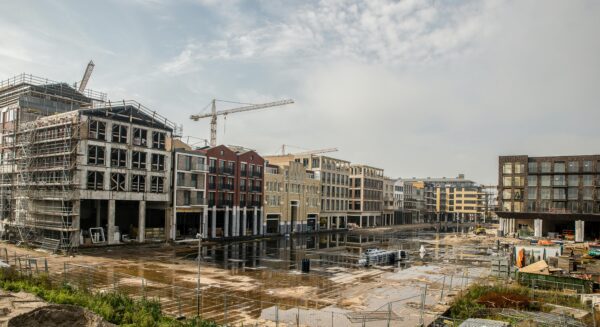
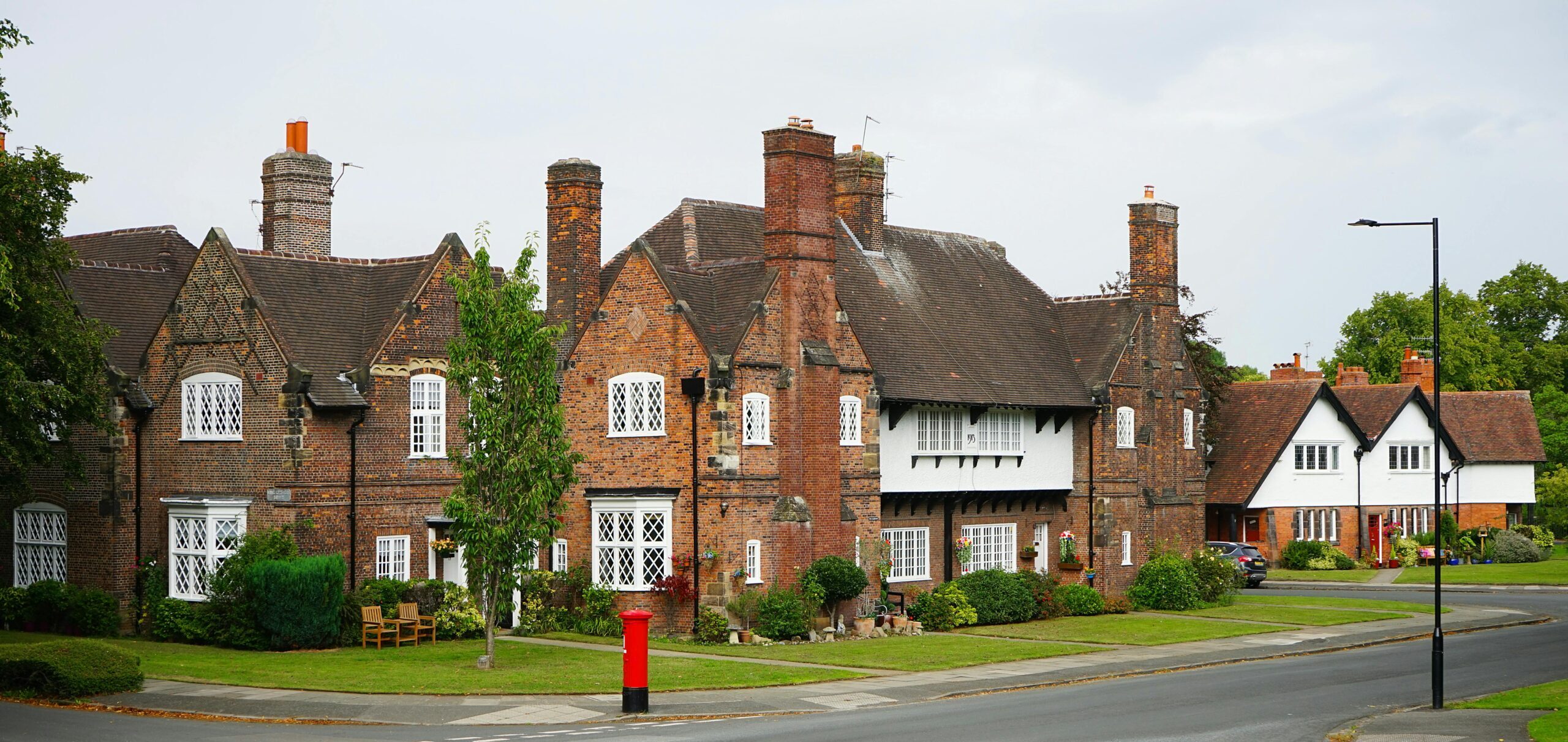
    Breckland District Council is once again calling on landowners, agents and local stakeholders to come forward with development site suggestions—as the district looks ahead to a future shaped by growth and sustainability.

    This renewed “Call for Sites” follows a significant shift in government policy. With the updated National Planning Policy Framework (NPPF) published last December, Breckland’s annual housing target has jumped from 625 to 903 homes—a 44% increase. That’s not just a number—it’s a clear signal that more land is needed, not only for housing, but also for inclusive communities and green infrastructure.

    So, what is the council looking for? A wide range of sites: from new housing plots (including space for Gypsy and Traveller communities) to locations that could support renewable energy or low-carbon development schemes. It’s all part of a broader effort to help the planning system support the UK’s transition to net-zero by 2050.
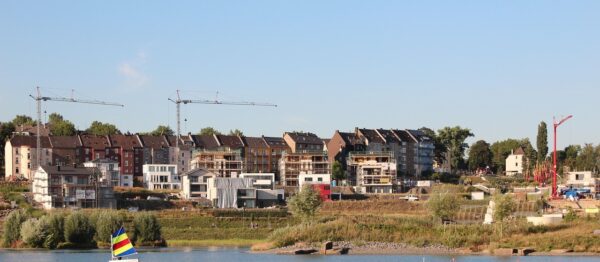
    Sites submitted during the previous consultation back in 2022 haven’t been forgotten. In fact, they’ll be reviewed again—but this time with an invitation for landowners and agents to strengthen their proposals. The council is asking for updated, practical evidence that shows a site is suitable, available, and deliverable under the evolving Local Plan.

    Feedback from earlier consultations will also feed into the decision-making process, and there’s plenty of room for new ideas too. If you’ve got a site that could help shape the future of Breckland—whether it’s homes, green energy, or community-led use—now’s the time to step forward.

    At Homz, we work closely with landowners, developers and planners to unlock the full potential of land—whether you’re exploring housing opportunities, renewable energy options, or mixed-use schemes. With a deep understanding of Breckland’s Local Plan process and national planning policy, we can guide you every step of the way, from initial appraisals to formal submissions.

    Want to discuss your site or learn how we can support your proposal?

    Get in touch now!

    References:

    1.) https://www.theplanner.co.uk/2025/05/01/breckland-renews-call-sites-meet-housing-and-renewable-energy-demand


  • Failure to Apply for Planning Permission Led to £250,000 Fine

    Failure to Apply for Planning Permission Led to £250,000 Fine

    In a significant case of illegal property conversion, Amarjit Singh and Jasbinder Kaur have been ordered to pay £250,055.80 under the Proceeds of Crime Act for illegally transforming a family home into flats. This amount represents the income they earned from renting out the five illegal units.

    The issue began back in 2018, when Hillingdon Council’s planning enforcement team investigated a property on Maple Avenue after receiving reports about an unauthorised outbuilding in the garden. Upon inspection, officers discovered a fully-equipped living space, and it was later confirmed that the main house had been subdivided into four self-contained flats. None of this had received planning approval.

    Despite being issued with a planning enforcement notice in November 2018, which required the property to be returned to a single dwelling by March 2019, Singh and Kaur ignored the order. The case escalated after a detailed financial investigation revealed the rental income from these illegal flats. As a result, the case was referred to Isleworth Crown Court for sentencing and confiscation proceedings.

    In addition to the confiscation order, both Singh and Kaur have been fined £10,000 each and ordered to pay £4,480 in prosecution costs. They must pay the full amount within three months, or face up to two years and nine months in prison if they default on the payment.

    Councillor Steve Tuckwell from Hillingdon Council remarked:

    “This is a major victory for our planning enforcement and trading standards teams. It sends a clear message that illegal conversions and rental properties will not be tolerated in our borough.”

    Not submitting the proper planning application on time can result in significant issues, such as enforcement notices, retrospective applications, and substantial fines. Failing to address these matters, particularly enforcement notices, can worsen the situation, potentially leading to additional legal procedures and financial penalties. To avoid these complications and associated risks, it’s important to take action promptly and seek professional advice to ensure you’re on the right track. Our expert services are available to help you navigate the planning process with ease: Pre-Planning Advice. We’re here to make things easier for you and help you stay on track!

    At Homz, we’re committed to helping you navigate the complexities of planning and design with confidence. Whether you’re dealing with planning permissions, need to address enforcement notices, or require expert advice, we’re here to support you every step of the way. Don’t hesitate to get in touch with us today: Contact Homz.

    References:

    1.) https://www.theplanner.co.uk/2025/04/23/ps250k-confiscation-order-converting-house-flats

  • A New Chapter for Wandsworth: 620 Homes Approved on Former Gasworks Site

    A New Chapter for Wandsworth: 620 Homes Approved on Former Gasworks Site

    Wandsworth’s old gasworks site is officially getting a fresh start. The local council has given the go-ahead for a major redevelopment that will bring 620 new homes to this central spot — one of the last untouched brownfield sites by the River Wandle.

    This two-hectare site, long dominated by a semi-demolished gas holder and ageing infrastructure, will soon be reimagined as a vibrant new neighbourhood. The plan? Four new zones combining housing, workspaces, places to eat and meet, and plenty of green space to enjoy.

    The project is being led by a joint team made up of development manager Common Projects, housing specialist Mitheridge, and SGN Place.

    Beyond the 620 new homes (with a solid 40% classed as affordable), the scheme includes 4,250 square metres of workspace and 9,000 square metres of parkland — not to mention a generous stretch of newly designed landscapes. A standout feature is the final link in the 12.5-mile Wandle Trail, which will finally connect Croydon to Wandsworth with a continuous walking and cycling route.

    Sustainability is at the heart of the design. Instead of starting from scratch, the developers will reuse the existing gas holder’s concrete foundations — a smart move that saves the embodied carbon of building over 100 new homes from the ground up.

    What also makes this project different is the level of public involvement. More than 1,500 people fed into the plans, helping shape a vision that’s not just about homes, but about creating a place where families can play, communities can grow, and nature has room to thrive.

    Tim Simpson, partner at Mitheridge, said: “There is a pressing need for quality homes in Wandsworth and across London. This development will deliver for both the community’s existing and new residents, as well as the area’s natural environment.”

    If you’re considering a similar project — whether it’s breathing new life into a brownfield site or unlocking the potential of a complex plot — getting the right advice early on can make all the difference. At Homz, our Pre-Planning Advice service is designed to help you explore what’s possible before diving into the formal planning process. From understanding site constraints to identifying opportunities that planners will support, it’s all about building a clear strategy from the start. 

    Thinking of taking the first step? Get in touch with us here — we’d love to hear about your project and see how we can help.

    References:

    1.) https://www.theplanner.co.uk/2025/04/09/redevelopment-wandsworth-gas-works-approved


  • New Vision for Wyndford: Hundreds of New Homes Planned in Glasgow

    New Vision for Wyndford: Hundreds of New Homes Planned in Glasgow

    Something special is happening in Maryhill. The Wyndford estate—once known for its towering blocks and tight-knit community—is about to get a fresh start. Wheatley Homes Glasgow has just taken the next big step in its ambitious £100 million plan to completely transform the area, and this week they’ve submitted their official notice to begin public consultation.

    So, what’s actually changing?

    The heart of the plan is housing—nearly 400 new homes designed to be warm, energy-efficient, and built for real family life. Importantly, the majority of these homes (around 85%) will be for social rent, meaning they’ll remain affordable for local people. The rest will be available at mid-market rates, offering a wider mix of options while keeping the community inclusive.

    But the vision goes far beyond bricks and mortar.

    The plans include a brand-new community centre—owned and run by Glasgow City Council—that’s meant to become a local hub where people can gather, connect, and create. There’s also a new play park for children, better parking, and a focus on open, green spaces where neighbours can walk, cycle, or simply enjoy being outside. It’s a rethink of how everyday spaces work, making them safer, greener, and easier to use.

    And if you’re wondering why the old tower blocks had to go—well, that was a tough but necessary call. Last month, three high-rise blocks on Wyndford Road were brought down in a controlled demolition. Some locals had hoped they could be refurbished, but Wheatley Homes said the buildings no longer met today’s living standards and couldn’t be upgraded enough to truly serve residents in the long run.

    “This is a new dawn for Wyndford,” said Frank McCafferty, who leads on repairs and assets at Wheatley. And for many, it really feels like that—a chance to start fresh, while holding onto what makes Wyndford special.

    Chris Quinn, co-chair of the Wyndford Futures Focus Group, put it perfectly: “We’re excited about what’s ahead, and we’re committed to working with the whole community to create a better Wyndford for everyone.”

    Now that consultation is underway, locals will have the chance to speak up, ask questions, and shape what’s to come. Because this isn’t just a regeneration project—it’s a shared effort to build a place people are proud to call home.

    If you’re considering a similar project—whether it’s a full-scale regeneration or simply the early stages of your own new build dream—there’s a lot to think about before the first brick is laid. 

    And if you’re not sure where to begin, that’s completely normal. A great first step is to seek out Pre-Planning Advice—it’s one of the best ways to get a realistic picture of what’s possible and what’s worth pursuing. 

    At Homz, we know that every great project starts with a solid plan—and we’re here to help you get it right from the very beginning. Got a project in mind? Contact us today—we’d love to hear about your ideas and see how we can support you.

    References:

    1.) https://www.theplanner.co.uk/2025/04/03/major-glasgow-housing-scheme-lined-maryhill

    2.) https://www.bbc.com/news/articles/c93n44x473go

  • 230,000+ Homes Applied for Planning in Late 2024

    230,000+ Homes Applied for Planning in Late 2024

    A staggering 233,811 homes were submitted for planning permission in the final quarter of 2024. At first glance, this looks like good news—but is it enough to solve the UK’s housing crisis? According to TerraQuest, the reality is more complex. They caution that expecting all these applications to translate directly into completed homes is “unrealistic.” In fact, this number still “falls well short” of what’s needed for the government to achieve its ambitious goal of delivering 1.5 million homes during this Parliament.

    The latest Planning Application Index, which tracks trends in planning applications, shows that in the past five years, an average of 300,232 new homes have been applied for annually. In theory, this would be enough to meet housing targets—but theory and reality don’t always align.

    The report highlights that the general election in July 2024 did not lead to an immediate increase in planning activity. This is understandable, as identifying suitable sites and preparing outline applications is a time-consuming process. What is more worrying, however, is that planning activity towards the end of the year remained notably subdued. In December, the number of applications was among the lowest seen in the past five years, even dipping below the levels observed during the peak of the Covid-19 pandemic in 2020.

    Looking ahead, the report suggests that we’ll get a clearer picture of the housing sector’s response to the new Labour government over the next two quarters of 2025. Factors such as the recent drop in the Bank of England’s base interest rate may also play a role in shaping market confidence and developer activity.

    Geoff Keal, CEO of TerraQuest, highlights why this moment is so crucial: “We’re at a key turning point for the government. With changes to the National Planning Policy Framework and the introduction of the new planning and infrastructure bill, it’s more important than ever to track market sentiment and how policy shifts impact real-world development. The Planning Application Index helps us do just that, offering a real-time look at planning activity across England and insight into how developers are reacting to the latest changes.”

    He adds, “The real test will come in the next three quarters of 2025, when we can see if the government’s new approach is working. Once the market has adjusted to these changes, we’ll have solid data to either support or challenge their effectiveness.”

    Despite the hurdles, Keal remains cautiously optimistic: “The government has a tough road ahead, but there are reasons to be hopeful. A lower base interest rate, early signs of economic growth, and a push to accelerate building could finally get us closer to what we’ve needed for years—more homes, built faster.”

    If you’re considering a new build, understanding the planning landscape is key. With fluctuating approval rates and evolving policies, being well-prepared can make all the difference. Our guide on What to Consider When Starting Your New Build Project walks you through the essential steps, from finding the right site to navigating planning regulations, helping you set off on the right foot.

    Additionally, seeking expert advice before submitting a planning application can save both time and money. Our Pre-Planning Advice service helps you navigate the complexities of the planning system, ensuring a smoother approval process and a stronger foundation for your project.

    At Homz, we specialise in making the planning process as smooth and stress-free as possible. Whether you need guidance on site feasibility, planning applications, or development strategy, our expert team is here to help. Get in touch with us today to discuss your project and take the first step towards bringing your vision to life.

    References:

    1.) https://www.theplanner.co.uk/2025/03/26/permission-sought-230000-homes-q4-2023-statistics-show

    2.) https://cdn.prod.website-files.com/6684da76c7ba572bab30af89/67d998abdc9fd825ab2ba997_The%20Planning%20Application%20Index%20Q4.pdf

  • Dacorum’s Future Unveiled: New Plan Sets the Stage for Growth

    Dacorum’s Future Unveiled: New Plan Sets the Stage for Growth

    Exciting developments are on the horizon for Dacorum! The borough has officially submitted its local plan for independent examination, setting the stage for transformative growth. This carefully crafted blueprint aims to deliver 1,016 new homes per year up to 2041, ensuring that future developments are well-placed and thoughtfully designed to meet the borough’s evolving needs.

    But it’s not just about housing—this plan goes beyond numbers. It lays the groundwork for thriving communities by ensuring that new developments come with essential infrastructure. Schools, healthcare facilities, parks, roads, and utility upgrades are all part of the vision, creating well-connected, livable neighbourhoods.

    Councillor Adrian England, portfolio holder for place at Dacorum Borough Council, explained the importance of this step: “This local plan is a vital step forward in ensuring that Dacorum grows in a coherent, sustainable, and protected way. It provides the framework to achieve that, and I am confident that it will stand up to scrutiny in the examination process.”

    He also emphasised the delicate balance between growth and preservation, ensuring that while housing and economic development move forward, the borough’s unique character and natural environment remain safeguarded. This plan is not just about building homes—it’s about shaping a future where people and places can truly thrive.

    At Homz, we understand the complexities of planning applications and the importance of well-structured developments. Whether you’re navigating local plans or seeking expert guidance on securing planning approval, our team is here to help. Get in touch with us today and let’s bring your vision to life!

    Want to stay informed about the latest planning developments and opportunities? Follow us for updates on key projects, insights, and expert advice. If you’re looking to be part of this exciting growth journey, choose Homz—we’re here to guide you every step of the way!

    References:

    1.) https://www.theplanner.co.uk/2025/03/19/dacorum-submits-local-plan-providing-1000-homes-year-examination

  • Big News for Argyll and Bute: £70 Million Rural Growth Deal Signed!

    Big News for Argyll and Bute: £70 Million Rural Growth Deal Signed!

    We’ve got an exciting announcement—Argyll and Bute is set to receive a major economic boost! The Scottish and UK governments have teamed up with the local council to roll out a £70 million rural growth deal, set to transform the region over the next decade.

    Both governments will contribute £25 million each, while Argyll and Bute Council, along with its partners, will add at least £20 million in match funding. This significant investment will pave the way for at least 300 new jobs, training programmes benefiting over 6,000 people, increased support for local businesses, the development of much-needed housing and worker accommodation, and a projected increase of more than 70,000 visitors to the area every year.

    Deputy First Minister Kate Forbes expressed her enthusiasm for the deal, saying: “Argyll and Bute is a region brimming with potential, from its stunning landscapes and rich history to its strong communities and abundant natural resources. This £25 million investment is about more than just funding—it’s about securing a sustainable future, creating local job opportunities, and fostering innovation in key industries like marine science and tourism.”

    Councillor Jim Lynch, Leader of Argyll and Bute Council, echoed this sentiment, stating: “This investment marks a turning point for our region. Argyll and Bute isn’t just a beautiful place—it’s a vital part of Scotland and the UK’s economy. This deal is about making sure our rural and island communities thrive, strengthening our industries, and building a future that works for everyone.”

    The growth deal will support a range of exciting projects, including a brand-new water sports hub at Campbeltown Loch, strategic housing developments on Mull and Islay, the expansion of HM Naval Base Clyde, the creation of a business park at Oban Airport, and a series of cutting-edge marine training and aquaculture initiatives. With such a wide-reaching vision, this investment is set to transform Argyll and Bute into a dynamic hub of opportunity and innovation.

    This investment aligns with the Clarkson’s Clause, a policy aimed at ensuring rural development projects are sustainable and beneficial for local communities. If you’re interested in understanding how this clause shapes projects like this one, check out our in-depth article: Clarkson’s Clause: A New Era for Rural Development.

    With such a wide-reaching vision, this rural growth deal is set to transform Argyll and Bute into a dynamic hub of opportunity and innovation.

    Navigating rural development projects can be complex, but you don’t have to do it alone. At Homz, we’re experts in planning applications, development strategies, and everything in between. Whether you’re looking to seize new opportunities from this growth deal or need guidance on a project of your own, we’re here to help. Let’s make your vision a reality—reach out to us today!

    References:

    1.) https://www.theplanner.co.uk/2025/03/14/rural-growth-deal-signed-argyll-and-bute

  • Breaking News: Oxford on the Hunt for New Development Sites

    Breaking News: Oxford on the Hunt for New Development Sites

    Oxford City Council is on the lookout for land that could help shape the city’s future. In a bid to create a stronger, more sustainable Oxford, the council is calling on landowners, developers, and residents to suggest sites for potential development as part of its next local plan. This is your chance to be part of the city’s growth story!

    To be considered, sites must be at least partially within Oxford’s boundaries. The council will review locations that can accommodate at least 10 homes, provide 500 square metres of employment space, or cover more than 0.25 hectares. Sites previously explored in earlier local plans will also be taken into account.

    “Oxford is growing, and we need to make sure it happens in a way that benefits everyone,” said Louise Upton, cabinet member for planning. “We’re particularly keen to see more land put forward for housing, as that remains one of our biggest challenges. If you know of a site that could play a role in Oxford’s future, we want to hear from you.”

    The local plan will go through two rounds of public consultation later this year, giving residents a chance to have their say on how the city develops. The council aims to submit the final version to the Planning Inspectorate for examination in April 2026.

    Oxford’s previous draft local plan was withdrawn last September after planning inspectors raised concerns about its housing targets. While they supported the council’s efforts to maximise housing within the city—proposing 481 new homes per year by 2040—they rejected a broader estimate that included 841 additional homes built beyond Oxford’s boundaries, arguing it set unrealistic expectations.

    With this fresh approach, the council is looking to balance growth with sustainability, ensuring Oxford develops in a way that meets housing and employment needs while respecting the character of the city. If you’re looking to bring a development project to life, Homz is here to help. With our expertise in planning and navigating local policies, we can support you every step of the way. Get in touch with us today to see how we can assist you!

    References:

    1.) https://www.theplanner.co.uk/2025/03/03/oxford-calls-development-sites-ahead-local-plan

  • Think Tank Pushes for Flexible Zoning to Unlock Homebuilding Potential

    Think Tank Pushes for Flexible Zoning to Unlock Homebuilding Potential

    Big changes could be on the horizon for the UK’s planning system! A leading think tank is sounding the alarm, warning that without flexible zoning reforms, the government’s ambitions for homebuilding and economic growth will remain out of reach. Their proposed solution? A bold shift towards a more streamlined, rule-based approach to planning approvals.

    The Centre for Cities warns that while new planning legislation is on the way, it still leaves too much room for interpretation by local planners. To fix this, the think tank is urging ministers to adopt ‘option 3’ from the government’s planning reform working paper. This would see planning decisions largely delegated to officers, with only a strict list of applications requiring committee approval. The goal? A more predictable system that removes unnecessary hurdles for development.

    One of the key recommendations is activating National Development Management Policies to replace the patchwork of local planning policies. This would create a clear, consistent rulebook across the country, cutting through the red tape that often slows projects down. Additionally, it suggests swapping out “material considerations” for “material designations,” ensuring that protections for specific areas are clearly defined rather than subject to interpretation.

    Green Belt Explained

    By making these changes, the Centre for Cities envisions a flexible zoning system similar to those used in countries like the US and Canada. Developments that follow the established rules would be automatically approved, removing uncertainty from the process. Local authorities would still have control over factors like building heights, density, and land use within different zones, but within a framework that makes approvals more predictable and efficient.

    The think tank is also urging the government to rethink its devolution plans. It argues that the proposed two-tier “shire mayors” model risks repeating the inefficiencies of the current system, making it harder to meet housing targets. Instead, it suggests empowering single-tier county councils with mayoral powers, aligning governance with economic regions to ensure smoother decision-making and stronger leadership.

    For those interested in diving deeper into these proposals, the full report, A Zoning System for England, is available on the Centre for Cities website.

    At Homz, we understand how navigating planning regulations can be overwhelming. Whether you need advice on zoning reforms, planning applications, or development strategies, our team is here to help. Contact Us to see how we can support your project!

    Celebration Of Homz Anniversary with an Award!

    References:

    1.) https://www.theplanner.co.uk/2025/02/24/think-tank-calls-flexible-zoning-reforms-planning-system

  • Revealed: 1.4 Million Homes Approved But Never Built—What’s Going On?

    Revealed: 1.4 Million Homes Approved But Never Built—What’s Going On?

    Here’s a headline that might surprise you—since 2007, more than 1.4 million homes in England have been granted planning permission but were never built. With the housing crisis deepening, this raises a big question: if permission is in place, why aren’t these homes becoming reality?

    According to a new report from the Institute for Public Policy Research (IPPR), the real issue isn’t planning red tape—it’s developers sitting on land to increase its value, holding back construction to keep house prices high, and a lack of coordination in delivering essential infrastructure. Without addressing these deeper problems, the government’s promise to build 1.5 million homes by the end of this Parliament looks increasingly shaky.

    So far, the government’s response has been to loosen planning rules, arguing that this will speed up delivery. But the IPPR warns this is the wrong approach. Instead of dismantling planning regulations, it says the system needs to be strengthened—ensuring local authorities have the resources to process applications efficiently, aligning housing with infrastructure projects, and supporting sustainable development.

    One of the report’s key recommendations is introducing strict legal deadlines for developers to start building once they secure planning permission—otherwise, they could face penalties. It also calls for a new Cabinet Office team to oversee land use with a national spatial strategy, ensuring better coordination in housing delivery.

    “The government doesn’t need to rip up the planning system to build 1.5 million homes,” explains Maya Singer Hobbs, senior research fellow at IPPR. “The biggest roadblocks aren’t caused by planning at all.

    Issues like water shortages, developers intentionally delaying construction to sustain high profits, and a lack of coordinated planning for major infrastructure projects are key obstacles. The current market-driven approach simply isn’t delivering the number of homes the country urgently needs.

    She adds that years of deregulation and budget cuts to agencies like the Environment Agency have left planning as one of the last remaining safeguards against poor-quality developments, environmental damage, and unsustainable resource use. “Instead of weakening planning, we should be giving local and national planners the support they need to ensure housing is well-designed, well-placed, and built in a way that benefits both people and the environment.”

    With demand for housing at an all-time high, this report makes one thing clear—fixing the system isn’t about cutting red tape, but about making sure developments actually get built.

    Thinking of Starting a New Build? Plan Ahead for a Smoother Process

    If you’re considering a new build project, whether it’s a self-build or a development scheme, the challenges outlined in this report highlight why careful planning is key. Understanding land availability, securing planning permission, and aligning your project with infrastructure needs can make all the difference in ensuring your plans don’t stall.

    Before diving into your project, it’s important to grasp the essential steps. Our guide on What to Consider When Starting Your New Build Project covers everything, from choosing the right site to managing budgets and design planning.

    Seeking the right advice early on can help avoid delays and complications. Our Pre-Planning Advice Service provides expert guidance to navigate any planning challenges, ensuring your project stays on course from the very beginning.

    At Homz, we specialise in making the planning process as smooth and stress-free as possible. Whether you need guidance on site feasibility, planning applications, or development strategy, our expert team is here to help. Get in touch with us today via our Contact Page to discuss your project and take the first step towards bringing your vision to life.

    Professional Planning Advice by Homz

    References:

    1.) https://www.theplanner.co.uk/2025/02/20/think-tank-reveals-14-million-homes-unbuilt-2007