Author: radu

  • What is the 10-Year Rule for Retrospective Planning Application?

    What is the 10-Year Rule for Retrospective Planning Application?

    Have you ever wondered if a development built without planning permission can still be legitimised? The 10-year rule for retrospective planning consent might just hold the answer. This intriguing aspect of UK country planning act allows certain unauthorised developments to gain lawful status with lawful development certificate, provided they’ve stood the test of time. Whether you’ve inherited a property with unapproved work or made changes without realising permission from local authority was needed, the 10-year rule offers a possible solution. In this guide, we’ll explore what the rule entails, its quirks, and how you can use it to your advantage. If you’ve ever felt unsure about retrospective planning permission, this might be the clarity you’ve been seeking!

    Why is Planning Permission Important?

    Obtaining planning permission is a vital step in ensuring that your development complies with local and national regulations. It’s not just a procedural requirement—it helps protect community interests, preserve neighbourhood character, and maintain safety standards. Failing to secure approval required planning permission can result in enforcement actions, leading to expensive modifications or even the removal of unauthorised work by local planning authority.

    That said, not all changes require full planning permission. Permitted Development Rights (PDRs) allow certain types of work—such as modest extensions or interior alterations—to proceed without a formal application, as long as they meet specific criteria. While PDRs offer valuable flexibility, understanding whether your project qualifies can be tricky. Engaging a professional early on to determine if your plans fall within permitted development rights, is invaluable.

    This is where Pre-Planning Advice comes into play. By seeking expert guidance, you can clarify any uncertainties, align your project with the rules, and avoid unnecessary delays. To explore how our team can help, visit our Pre-Planning Advice page.

    If your development doesn’t qualify as Permitted Development and has been carried out without prior planning permission, you may face enforcement action from the local planning authority. This formal enforcement action usually comes in the form of an Enforcement Notice, requiring you to either rectify or remove the unauthorised work by local authority. Receiving an enforcement notice can be stressful, as it not only disrupts your plans but also carries potential legal and financial implications if enforcement notice is not handled correctly.

    Understanding your options and responding appropriately is crucial in these situations like receiving such a notice. Whether it’s applying for retrospective planning application or negotiating adjustments to your project, having the right guidance can make all the difference. To gain a thorough understanding of handling enforcement notices from your local planning authority, explore our in-depth article: Received an Enforcement Notice from the Council – What Should I Do Now?.

    What is the 10-Year Rule? How Unauthorised Developments Can Become Lawful

    The 10-Year Rule is a valuable provision within UK country planning act that offers a pathway for property owners to legitimise unauthorised developments by local authority. Under this rule, if a development—whether an extension, alteration, or other construction—is carried out without the necessary planning permission, but remains unchanged and in continuous use for a period of 10 years, it can become lawful by default. This means that, after 10 years, enforcement action is barred, and the development is recognised as compliant with town and country planning, rules and regulations, even if formal permission was never granted at relevant time limit the outset.

    For individuals navigating planning challenges, the 10-Year Rule planning offers an essential pathway to regularise long-term issues and align developments with legal requirements.

    How Does the 10-Year Rule Work?

    The 10-Year Rule is a legal provision enabling certain unauthorised developments to become lawful after a set period—specifically, 10 years from the completion of the work. This rule covers various property modifications, such as extensions, alterations, outbuildings, and changes to boundaries.

    Eligibility

    The 10-Year Rule is applicable to physical changes or extensions to properties, which may include:

    • Structural Additions: Extensions, garages, conservatories, loft conversions, and similar structures.
    • Alterations: Internal modifications, external changes, and other adjustments that do not comply with the initial required planning permission retrospectively.
    • Boundary Changes: Modifications to property boundaries, fencing, walls, and landscaping.
    • Outbuildings: Sheds, summerhouses, and other standalone structures.

    To take advantage of this rule, the property must show that the development has been in place for a minimum of 10 years without intervention from the local planning authority. This often requires submitting a Certificate of Lawful Existing Use or Development (CLEUD).

    Process

    To apply under the 10-Year Rule, property owners must gather evidence proving that the development has been in use for the required period. This includes providing historical records, photographs, and any other documentation to demonstrate continuous use. Once submitted, the local planning authority will review the application, and if no enforcement action has been taken within the 10-year period from substantial completion, the development becomes lawful by default.

    Benefits

    The primary benefit of the 10-Year Rule is that it offers a legal safeguard, ensuring that developments are immune from future enforcement action. Once the 10-year threshold is met, property owners can continue with their development without the risk of being ordered by court order to remove or alter it. This rule provides a sense of security and stability, allowing property owners to plan future changes with confidence.

    What Are the Limitations and Considerations of the 10-Year Rule?

    While the 10-Year Rule provides a valuable pathway for regularising unauthorised developments, there are key limitations and factors that may impact its application:

    Protected Areas

    Developments within protected areas, such as conservation zones, Areas of Outstanding Natural Beauty (AONB), or heritage sites, often come with stricter restrictions. These areas are typically managed to preserve their unique natural, ecological, and historical value, meaning that even if a development meets the 10-year rule, additional permissions or assessments may be required. This is due to the heightened sensitivity of these locations, and particular circumstances, which necessitate a thorough evaluation of potential impacts on the environment, wildlife, and cultural heritage.

    For example, in conservation zones, developments must demonstrate minimal impact on local ecosystems and biodiversity. Similarly, in Areas of Outstanding Natural Beauty (AONB), visual and scenic quality of conservation area is a priority, and developments must harmonise with the surrounding landscape. Heritage sites may require specialist historical assessments to ensure that proposed changes do not compromise their significance.

    For tailored advice, it’s important to consult professionals experienced in green belt planning permission matters. Our detailed guide, Can You Develop or Extend Your Property in Green Belt Without Full Planning Permission?, provides comprehensive insights on the topic.

    Proximity to Listed Buildings

    Applying the 10-Year Rule near listed buildings can be particularly complex. These buildings are legally protected for their historical, architectural, and cultural importance. Any changes or developments must be carefully evaluated to ensure they preserve the structure’s integrity and do not diminish its historical significance.

    The main concern with listed buildings is the preservation of their authenticity. Alterations, even if they have been in place for 10 years, must be carefully evaluated to ensure they align with the standards set out by the local planning authority or heritage and conservation bodies. These assessments take into account factors such as the building’s age, architectural style, materials used, and the impact on its surrounding environment.

    Additionally, proposed changes near listed buildings may require specialist consultations with heritage consultants or architects experienced in heritage conservation. This is to ensure that any modifications respect the building’s historical context while meeting modern-day requirements.

    To effectively address these complexities, seeking expert advice is highly recommended. For personalised support and detailed information on managing developments near listed buildings, feel free to visit our contact page: Get in Touch for tailored assistance.

    Complexity

    For more intricate developments—particularly those involving substantial structural changes, sensitive areas, or projects generating significant public interest—professional advice is indispensable. These situations often require a deeper understanding of breaches of planning regulations, environmental considerations, and community impact, making expert guidance essential.

    Seeking advice from a planning consultant or legal professional can provide tailored support, ensuring that all aspects of the proposed development are carefully evaluated. This includes assessing how the 10-Year Rule applies, addressing any potential challenges, planning consent, and navigating any legal complexities that may arise.

    By leveraging expert knowledge, property owners can manage the complexities associated with building works together with the 10-Year Rule effectively. This ensures that developments adhere to legal standards, minimise potential risks, and achieve smoother, more successful outcomes without unnecessary complications.

    For further assistance or tailored advice, consider reaching out to professionals at Homz for a comprehensive approach to managing complex planning scenarios. Additionally, if you’re in need of pre-planning advice, our Pre-Planning Advice service can help guide you through the early stages of your project.

    Why is Professional Guidance Crucial for the 10-Year Rule?

    Navigating the complexities of planning control, including the 10-year rule, can feel overwhelming for property owners. Each development comes with its own set of regulations, restrictions, and potential challenges, making it essential to have the right support.

    Working with experienced professionals, such as planning consultants or legal advisors, is crucial to ensuring all required documentation is correctly prepared and submitted. Their in-depth knowledge of the planning process can provide invaluable guidance, from conducting initial evaluations to handling the submission of a Lawful Development Certificate Existing Use or Development (CLEUD), if applicable.

    Seeking professional assistance offers more than just help with paperwork; it simplifies the entire process by minimising errors and miscommunication. Skilled advisors are well-versed in national and local standards and regulations, can foresee possible challenges, and deliver practical, customised solutions to suit your unique project needs.

    This is where Homz Steps In to Guide You

    At Homz, we provide expert support to navigate the complexities of planning permissions. Our Pre-Planning Advice service offers detailed insights, helping you make well-informed decisions and ensuring your project progresses smoothly and successfully.

    Understanding planning law, especially the 10-year rule and retrospective application of planning permission, can be a complex and daunting process. That’s where we step in. With our extensive experience and expertise in planning regulations, we ensure that all necessary documentation and planning conditions is prepared accurately, minimising the risk of delays or complications.

    For tailored assistance and expert guidance, reach out to Homz or explore our Pre-Planning Advice service. Get in touch with us directly and let us guide you through your project, ensuring a seamless journey from start to finish.

    Frequently Asked Questions (FAQ) – 10-Year Rule for Retrospective Planning Permission

    1. What is the 10-Year Rule for Retrospective Planning Permission?

    The 10-Year Rule allows property owners to regularise unauthorised developments if they have existed for at least 10 years without enforcement action. Once this period is met, the development can become lawful by default, even if formal planning permission was not obtained initially.

    2. Who can benefit from the 10-Year Rule?

    Property owners with unauthorised developments such as extensions, alterations, outbuildings, and boundary changes can potentially benefit from the 10-Year Rule. However, specific criteria must be met, and in some cases, professional guidance is recommended.

    3. How do I apply for the 10-Year Rule?

    To apply for the 10-Year Rule, you’ll need to provide evidence showing that the development has been in use for at least 10 years. This could include historical records, photographs, and documentation that prove continuous use. In some cases, a Lawful Development Certificate Existing Use or Development (CLEUD) may be required. If you’d like more guidance or have any questions, feel free to Reach Out To Us for personalised assistance.

    4. What are the limitations of the 10-Year Rule?

    The 10-Year Rule has limitations, especially in protected areas such as conservation zones, Areas of Outstanding Natural Beauty (AONB), or near listed buildings. These areas have stricter regulations and may require additional permissions or specialist assessments.

    5. How does the 10-Year Rule work for listed buildings?

    Developments near listed buildings require careful consideration, even after 10 years. Changes must be carefully evaluated to ensure they do not compromise the historical integrity of the building. Specialist advice from heritage consultants or architects is often necessary.

    6. What if my development doesn’t qualify for Permitted Development?

    If your development doesn’t qualify for PDR and is unauthorised, you may face enforcement action. Seeking professional advice is crucial to manage these situations effectively and potentially apply for retrospective planning permission. Reach Out To Us for personalised assistance.


  • 27,000 Redundant Green Belt Homes Could Be Approved Under New Grey Belt Policy

    27,000 Redundant Green Belt Homes Could Be Approved Under New Grey Belt Policy

    New research has revealed a game-changing shift for over 27,000 homes that were once rejected because they were on green belt land. Thanks to the introduction of the grey belt policy, many of these projects could now be approved, unlocking vast potential for new housing across the country.

    According to experts at Searchland, 3,425 planning applications have been turned down since 2010 because the land was classified as green belt—land that, under new guidelines, would now be reclassified as grey belt. If these applications were resubmitted today, we could see 27,197 new homes with an estimated market value of £12.2 billion springing up in previously overlooked areas.

    The South East leads the way, with the highest proportion of rejected plans, representing 21% of the national total. This could translate into 9,001 homes worth £4.8 billion. The East of England is also in the spotlight, with the possibility of 4,215 homes coming to life, while regions like the North West, London, West Midlands, and Yorkshire also hold huge potential for new developments.

    The recent recognition of grey belt land under the National Planning Policy Framework (NPPF) has opened up exciting new opportunities for developers. Grey belt land is no longer seen as vital for preventing urban sprawl, maintaining separation between towns, or protecting the character of historic areas. This means land that was previously off-limits, like quarries, car parks, golf courses, and even solar parks, could now be reclassified and developed into thriving communities.

    This shift is more than just a change in policy; it’s a whole new world of possibilities for the future of housing development. With grey belt land now formally recognised, developers can look forward to exploring areas that once seemed out of reach. It’s an exciting time for the property market, as this could lead to thousands of new homes in areas that previously weren’t considered viable for development. To dive deeper into the untapped potential of grey belt land, check out our full guide here: Grey Belt Explained: The Overlooked Land with Untapped Potential.

    But as with any exciting opportunity, it’s important to approach it the right way. That’s where pre-planning advice comes in. Understanding what’s possible, permissible, and in line with local planning rules is essential to avoid costly mistakes and delays. To make sure you’re on the right track, check out our Pre-Planning Advice page for more insights.

    Excited to bring your grey belt project to life? We’re ready to help you navigate the planning process and ensure everything runs smoothly. Don’t hesitate to contact us—head over to our Contact Us page today to get started!

    References:

    1.) https://www.theplanner.co.uk/2025/02/03/27000-rejected-green-belt-homes-would-be-approved-under-grey-belt-policy-research

  • Grey Belt Explained: The Overlooked Land with Untapped Potential

    Grey Belt Explained: The Overlooked Land with Untapped Potential

    When it comes to urban planning, most people are familiar with Green Belt—protected countryside that restricts development to prevent urban sprawl. Others may have heard of Brownfield sites, previously developed land often targeted for regeneration. But what about the Grey Belt?

    Grey Belt is an emerging term in the world of planning, referring to land that sits somewhere between Green Belt and Brownfield. These are often underutilised plots—previously developed but not fully built upon, or rural land that lacks the same level of protection as those within the Green Belt. In an era where housing shortages and land scarcity are ongoing challenges, Grey Belt sites present an intriguing opportunity.

    This guide will walk you through everything you need to know about Grey Belt land—what it is, how it differs from other land classifications, and why it’s becoming an increasingly important topic. We’ll also explore the planning policies surrounding the Grey Belt, the challenges and opportunities of developing these areas, and what the future housing land supply might hold. If you’re looking for insights into a lesser-known but potentially game-changing category of land, you’re in the right place.

    Green Belt Permitted Development Rights

    What is the Grey Belt?

    You’ve probably heard of the Green Belt —a planning policy designed to protect the countryside from excessive urban sprawl. Introduced in the UK in the mid-20th century, the Green Belt plays a crucial role in maintaining open spaces, prevent neighbouring towns merging, and encouraging development within existing urban areas. However, its strict regulations can make securing planning permission incredibly difficult. If you’re working on a project in the Green Belt, understanding its policies is essential—we’ve covered everything you need to know in our detailed guide here: Green Belt Explained: What It Is and How to Work with It.

    But what if a piece of land isn’t quite Green Belt comprising previously, yet not fully urbanised either? That’s where the Grey Belt comes in.

    The Grey Belt is not an officially recognised term in most planning policies, but it’s gaining traction as a way to describe land that exists between existing Green Belt and Brownfield sites. These are areas that have been developed to some degree—such as former industrial land, old farm buildings, or even disused greenhouses—but they’re not completely urbanised. In fact, they often still retain character of historic towns and a rural or semi-rural character, though they might not have the same level of protection as Green Belt land.

    Think of Grey Belt as a middle ground: it’s not the untouched beauty of Green Belt, nor is it the vacant, redevelopment-ready spaces of Brownfield. Instead, it’s land that may have some level of existing development, or land that is ripe for regeneration, but without the heavy restrictions typically found within the Green Belt areas.

    In terms of planning and development, Grey Belt land offers a unique opportunity. It’s often in strategic locations, close enough to urban areas to be useful for housing or commercial development, but still maintains some level of open or semi-rural character. This makes it an increasingly attractive option for planners who need to balance growth and conservation.

    However, Grey Belt areas are still subject to their own set of challenges. While they don’t have the same stringent protections as Green Belt, they still have very special circumstances and require careful consideration when it comes to planning permissions. In the following sections, we’ll dive into how Grey Belt land is identified, what planning policies govern its use, and whether it could be the right fit for your next project.

    Characteristics of Grey Belt Land

    So, what exactly makes Grey Belt land stand out from other types of land? The key characteristics are what set it apart, and understanding them is crucial when considering whether it’s suitable for development. Let’s break it down.

    1. Previously Developed or Partially Developed Land

    Grey Belt land often includes sites that have already seen some form of development. These might be areas where old buildings once stood, or where industrial activity has left its mark. It’s land that has had a past purpose, but that purpose has either changed or diminished. Think of disused factories, abandoned warehouses, or even former agricultural buildings. While not fully urbanised, these sites still have traces of human use.

    The beauty of previously developed land is that it can be easier to develop than untouched Green Belt areas, as some of the groundwork—like infrastructure or access roads—might already be in place. That means a bit less red tape to cut through, but it’s still important to understand the specific planning policies for each site.

    2. Agricultural Land, Recreational Areas, or Gardens

    Grey Belt land can also include agricultural areas, recreational spaces, or even private gardens. These spaces may be underutilised or not being used to their full potential, which opens up opportunities for new uses. For example, a large plot of agricultural land might be a perfect candidate for low-density housing, especially if it’s near an urban area. Or perhaps a public park or garden could be reimagined as a community space or housing development—depending on the local needs and planning considerations.

    One of the defining features of these areas is that they may not have been developed to their highest potential, which is why they sit in the “grey” space between Green Belt and Brownfield. They still have value as green spaces car parks and recreational areas, but it’s worth exploring whether there’s a way to balance that with the growing demand for urban development.

    3. Low Biodiversity, Underused or Unused Areas

    Another important characteristic of many Grey Belt lands is that they might have low biodiversity or be areas that are underused or unused. These sites might not offer the same ecological value as Green Belt areas, which are often rich in wildlife and natural habitats. Instead, Grey Belt land might be marginal, meaning it’s less ecologically important and hasn’t been actively used or maintained.

    While these areas may not be as valuable for conservation purposes, it’s still essential to consider their potential environmental impacts. Sustainable development is always the goal, even when working with land that’s not ecologically rich. Grey Belt can often offer a compromise between development and environmental preservation—with careful planning, these areas can be redeveloped while maintaining a balance with nature.

    In summary, Grey Belt land is typically, comprising previously developed land, underutilised, and often has a low environmental impact. While it may not be as protected as Green Belt land, it can offer a unique opportunity for development that doesn’t come with the same constraints as fully urbanised areas. As you explore the possibilities of Grey Belt land for residential development, keep these key characteristics in mind to better understand what can be achieved.

    What is Green Belt

    Grey Belt’s Place in Planning Policies

    When it comes to planning policies, Grey Belt is defined but doesn’t have a clearly defined place in official documents—yet. Unlike Green Belt, which is firmly entrenched in planning law with its own set of rules, Grey Belt falls into more of a grey area (no pun intended!). But that doesn’t mean it’s ignored in the planning process.

    In England, planning decisions are primarily shaped by the National Planning Policy Framework (NPPF), which is regularly updated to balance population growth, environmental sustainability, and economic development. Although the term Grey Belt is not explicitly mentioned, the NPPF sets out fundamental principles that impact how such land is assessed and managed. Let’s take a closer look at its role within this framework.

    National Planning Policy Framework (NPPF) Updates and Grey Belt

    The NPPF encourages the efficient use of land, especially as the demand for housing grows. As part of this, it supports the redevelopment of previously developed land, which Grey Belt often comprises. Under the NPPF, there’s a presumption in favor of sustainable development, meaning areas of urban land that that have already been impacted by development—like Grey Belt—are often seen as more suitable for growth than untouched Green Belt land.

    The most recent updates to the NPPF have been focused on making it easier to build in locations where land is available but underutilised. This is where Grey Belt plays an important role. Since it’s often made up of land that has already been developed or is used minimally, it is seen as a potential resource for regeneration—without the heavy constraints of Green Belt protection.

    The Challenge of Defining Grey Belt

    One of the biggest challenges when it comes to planning for Grey Belt land is that it doesn’t have a formal, clear-cut grey belt definition in national planning policies. Unlike Green Belt policy, which has well-established guidelines and protections, the term Grey Belt is more of a concept than an official category. This lack of clarity leaves a lot of room for interpretation, and this can make planning for these areas tricky.

    Since Grey Belt isn’t officially recognised in planning law, how it’s treated can vary from one local authority to another. Each council might have a different approach based on their regional priorities, the type of land in question, and the surrounding environment. For example, one council might see a plot of land as ideal for housing—it might be underused agricultural land or a disused industrial site—and decide it’s suitable for development. Meanwhile, another council, considering the same type of land, might prioritise conservation or agricultural use instead.

    This variation happens because there are no uniform rules about what qualifies as Grey Belt, or what kind of development should be allowed. It really depends on the local context—including things like community needs, environmental concerns, and long-term planning strategies. The lack of a standard grey belt definition also means that each council has a degree of flexibility in deciding how to use these lands, which can lead to different interpretations of what’s best for the land and the community.

    In short, the definitional grey area surrounding Grey Belt land makes it a challenging and sometimes inconsistent subject in planning discussions. Without a uniform understanding of what it is or how it should be treated, each local authority must carefully consider how to manage these areas in line with their own planning goals and the broader vision for sustainable growth.

    Clarkson Clause

    Developing Grey Belt Land

    Developing Grey Belt land can present both exciting opportunities and a few challenges. These areas often sit in a sweet spot between Green Belt and fully urbanised land, making them prime candidates for regeneration projects. Let’s explore the advantages and disadvantages, the planning permissions, and the sustainability and environmental considerations that come with developing these spaces.

    Advantages of Developing Grey Belt Land

    One of the biggest advantages of developing Grey Belt land is that it offers untapped potential for growth. Since much of this land has already been impacted by previous development, it provides a flexible foundation for new projects. Whether it’s a housing development, business park, or even a community space, Grey Belt land can accommodate a variety of uses without the stringent restrictions applied to Green Belt land.

    Because Grey Belt areas are often close to existing urban areas, they benefit from easier access to infrastructure such as roads, public transport, and utilities. This makes development more cost-effective and logistically simpler than starting a project on land that is farther from established services. Plus, developers can reuse or repurpose existing buildings, minimising waste and taking advantage of the ‘brownfield regeneration’ approach.

    Disadvantages of Developing Grey Belt Land

    While there’s a lot of promise in Grey Belt land, it doesn’t come without its challenges. For one, although it’s less protected than land within the Green Belt, it’s still subject to planning policies that ensure development is carried out responsibly. Local authorities may still impose restrictions to protect the character of the surrounding area or to prevent too much congestion.

    Another consideration is that Grey Belt land can sometimes have environmental drawbacks. It’s often degraded land or land that has been neglected, so developers may encounter issues like pollution, poor soil quality, or unforeseen contamination. These environmental challenges can complicate the development process and add to the costs. Plus, any change in land use can have unintended effects on local ecosystems.

    Planning Permissions and Processes

    Just because Grey Belt land isn’t as heavily protected as Green Belt land designated the site doesn’t mean development is a free-for-all. Planning permission is still required, and the process can vary depending on the specific location and type of development. Local councils will likely consider factors like the site’s impact on the community, existing infrastructure, and whether the development aligns with regional plans for growth.

    Developers may also need to submit detailed environmental assessments, especially if the land is near sensitive areas. The planning process for some potential Grey Belt sites can be more flexible than for Green Belt site, but it’s still a structured process that requires careful planning and community involvement. It’s important to keep in mind that planning conditions may be placed on the development to ensure it meets both environmental and social sustainability standards.

    Sustainability and Environmental Impacts

    When considering the development of Grey Belt land, it’s essential to think about sustainability. Regeneration projects on these sites can have a positive environmental impact if approached thoughtfully. For example, reusing existing structures can reduce the demand for new materials and help prevent urban sprawl, which aligns with the principle of sustainable development.

    However, not all Grey Belt sites are free from environmental concerns. Some may have been impacted by pollution from previous industrial use or might be located in areas with high biodiversity that could be affected by development. That’s why careful environmental assessments are vital before embarking on any projects. Developers should aim to minimise their carbon footprint, preserve any natural resources, and consider green infrastructure (such as green roofs, rainwater harvesting, and wildlife corridors) to ensure the development remains sustainable.

    In conclusion, developing Grey Belt land offers a lot of promise—particularly as a way to meet housing and business demands in urbanising areas. However, careful consideration must be given to environmental impacts, planning permissions, and the long-term sustainability of any development. With the right balance, these areas can contribute to urban regeneration, providing more space for people to live, work, and thrive, without putting too much strain on our precious natural environments.

    The Future of the Grey Belt

    As urban areas expand and housing demand continues to rise, Grey Belt is becoming an increasingly important part of the conversation. While it currently exists in a somewhat undefined space within planning policies, future changes could see grey belt opportunities shape its role in urban development and sustainability efforts.

    With increasing government pressure to meet housing targets, it’s likely that some Grey Belt areas will be reclassified to encourage development, particularly those that are underutilised or previously developed. Local plans may begin to integrate Grey Belt into urban expansion strategies, ensuring it contributes to sustainable growth rather than unchecked sprawl.

    Looking ahead, the future of Grey Belt will likely be shaped by evolving planning policies, community engagement, and sustainable development strategies. If managed correctly, these areas could serve as key development zones, offering much-needed affordable housing, and local or national infrastructure while avoiding the more controversial issues that come with building on Green Belt land.

    Ultimately, the challenge will be to find a balance—allowing for practical growth without compromising community well-being or environmental integrity. As policies evolve, Grey Belt may shift from a planning grey area into a well-defined and strategic part of the built environment—helping cities grow in a way that is smarter, greener, and more sustainable.

    Importance of Working With Professionals

    Successfully developing Grey Belt requires a well-planned approach. With changing policies, varying local council perspectives, and sustainability factors to consider, early informed decisions can help avoid setbacks, minimise risks, and improve the likelihood of approval. This is where professional expertise makes all the difference.

    At Homz, we offer Pre-Planning Advice to help you understand the potential of your site, assess planning constraints, and explore the best routes for development. Whether you’re looking to redevelop underutilised land or need clarity on planning policies, our team provides tailored advice to set you on the right path. Find out more about our Pre-Planning Advice service here.

    With our expert knowledge in planning policies and land development, we make the process clearer and more manageable. We help clients navigate planning applications, site assessments, and policy considerations, ensuring every project has the best chance of success.

    If you’re considering a project on Grey Belt, we’re here to help you make informed decisions and maximise your site’s potential. Get in touch with us today.

    Grey Belt FAQ: Everything You Need to Know

    1. What is Grey Belt?

    Grey Belt refers to land that sits between urban and rural classifications, often underutilized, partially developed, or previously built on. While it doesn’t have the strict protections of Green Belt land, it’s also not as straightforward to develop as Brownfield sites. This middle ground creates both opportunities and challenges for development.

    2. How is Grey Belt different from Green Belt and Brownfield land?

    • Green Belt: Land protected to prevent urban sprawl. Development is highly restricted.
    • Brownfield: Previously developed land that is now available for redevelopment, often prioritized for housing and regeneration.
    • Grey Belt: A mix of belt comprising previously developed and underused land, which could be suitable for development but lacks a formal planning designation.

    3. Can I build on Grey Belt?

    Possibly—but planning approval isn’t guaranteed. Since Grey Belt is not officially defined in national policies, local councils take different approaches to its development. Some may see it as an opportunity for housing, while others may impose restrictions based on environmental or local factors.

    4. How do I know if my land is considered Grey Belt?

    Unlike Green Belt site, there’s no official Grey Belt map. However, land with the following characteristics might fall into this category:
    Previously developed but not fully utilised
    Located near existing settlements
    Not protected under strict conservation policies
    -Has limited ecological or agricultural value

    If you’re unsure, a planning expert can help assess your site’s potential. Contact Us for more information.

    5. Does Grey Belt have specific planning policies?

    No, there are no national policies specifically defining Grey Belt. However, planning decisions for these areas often depend on local authority interpretations, existing land use, and sustainability considerations. The National Planning Policy Framework (NPPF) might guide decisions on grey belt policies, but each case is unique.

    6. Can Grey Belt become Green Belt or Brownfield?

    Yes, Grey Belt sites can sometimes be reclassified through planning reviews. Some may gain Green Belt status, offering them greater protection for green belt purposes, while others might be designated as Brownfield land, making them suitable for redevelopment. Staying informed about local planning policies is essential to understand how these areas might evolve.

    7. How might future planning policies impact Grey Belt development?

    With growing pressure to balance housing crisis and environmental protection, future policies may provide clearer guidelines on Grey Belt. Some areas might gain greater protection, while others could be prioritised for development to address housing shortages. Keeping up with policy changes is key for anyone considering a Grey Belt project. However, Grey Belt excludes land that is already designated as Green Belt or other protected areas. Staying informed about local planning policies is essential to understand how these areas might evolve.

  • Common Pitfalls of Building an Extension Without Permission

    Common Pitfalls of Building an Extension Without Permission

    Getting planning permission for that dream extension or for essential maintenance can be a nightmare. Planning regulation is complex and many people have fallen into the pitfalls that await the ill-informed. As a starting point, we’ve distilled some key facts about what building projects do and don’t need planning permission …

    If you want to build something new or make a major change to your building you will probably need planning permission. If your project needs planning permission and you do the work without getting it, you can be served an enforcement notice ordering you to undo all the changes you have made. So don’t risk it and check before you start.

    Benefits of Extending Without Planning Permission
    An extension to a residential property may be considered a permitted development, which doesn’t require a planning application to be submitted. The main benefit here is avoiding the twelve-week wait that seeking planning permission takes, meaning you can start your project much sooner. Meanwhile, you’ll also save potentially hundreds of pounds on the application fees.

    Have You Checked Whether You Need a Planning Permission?

    As mentioned above, you could build your extension without permission if your proposal falls within the permitted development guidelines. But first, there are restrictions to consider:

    1. Is Your Property a House?

    Be aware that flats and maisonettes do not have permitted development rights, so you won’t be able to build your extension without permission.

    2. Is Your Property Listed Or In a Conservation Area?

    Or other ‘protected’ areas, including:

    • National Parks
    • Areas of Outstanding Natural Beauty
    • the Norfolk or Suffolk Broads
    • a World Heritage Site

    If the answer is ‘yes’, you may not be able to take advantage of permitted development rights or they might be restricted. In particular, your permitted development rights might have been removed if there is an ‘Article 4’ direction for your property. Speak to your architect about this, or consult your local council directly.

    3. Does Your Extension Comply With Permitted Development Rules?

    Certificate of Lawful Development

    If you want to be certain that your proposal falls within permitted development guidelines, you can apply for a certificate of lawful development. This may come in useful when you come to sell your property, to show the buyer or buyer’s mortgage lender that your extension without planning permission was legal.

    Building Control Approval For An Extension

    This one is a big yes; you will need building control approval for your home extension but it doesn’t need to delay your project and can be easy to obtain if you appoint the right professionals.

    There are certain standards, set out by the government, that all building projects must follow. There is a set of documents called ‘Approved Documents’ that act as a guide to achieving these standards.

    We go into more detail about building control in this article, but basically you have three options on getting approval for your home project:

    1. A ‘building notice’ is where you/your builder gives notice to the council that works are about to start. This makes things much quicker, but there is more of a risk that you will be asked to change aspects of the design as you go. Also, there is less scope for appealing their decisions. However, this route could be suitable for a simple house extension (especially if you have a good architect on board).
    2. A ‘full plans’ application to the council means that you submit plans and details for approval before work starts. This information is usually much more detailed than a set of planning drawings. Once submitted, the decision takes a minimum of five weeks. Once work starts on site, regular inspections will be made.
    3. Using an ‘approved inspector’. An approved inspector is a private individual or organisation employed by you to ensure that your project complies with the building regulations. They will check and inspect the work instead of the local council.

    Freeholder Consent For An Extension And Other Permission

    You may require other consents before starting your work and you might want to check with your solicitor if you’re not clear on the answer to some of these questions:

    Do You Own The Freehold?

    If the answer is no, you will need to seek permission from your freeholder.

    Can a freeholder refuse permission for an extension? 

    First of all, you will need to read your lease agreement carefully, and seek clarification from your solicitor if needed. Check that your lease covers the area you wish to extend onto. If you don’t own the land, expect to pay for it! They will probably start with getting a valuation for your property as it stands, calculate the uplift in value the extension will create and ask for a percentage of the profit you would make.

    Even if you do own the space, you should expect to pay fees relating to gaining the consent. The freeholder is likely to appoint a solicitor and structural engineer to check that your proposals are structurally sound and you will be liable to cover the cost of these services.

    Do The Titles For Your Property Include Restrictions (Restrictive Covenants)?

    Even if you do own the freehold to your property, you may be restricted or even prohibited from building an extension due to ‘restrictive covenants’. These are often historical restrictions contained in the titles to the property, where the original developer or council restricted the owner doing certain things. These restrictions are passed down from owner to new owner and can be very archaic!

    Prohibiting the alteration or extension to a property is a common one. Even if the council is the enforcer, do not assume that gaining planning permission removes this restriction.

    Do You Share a Wall Or Fence With a Neighbour?

    Or even if you plan to excavate some ground near a neighbour’s property, you may need to have a Party Wall Award in place before starting work. You are legally obliged to give your neighbour 1-2 months’ notice (depending on what the works involve). If you’re unsure whether the Party Wall etc. Act applies to you, speak to your architect or find a Party Wall surveyor.

    What Happens If You Build Without Planning Permission

    If a homeowner adds an extension without securing planning permission, they could encounter several issues, such as:

    • Local authority enforcement action: This may require the extension to be removed if it does not meet planning guidelines.
    • Challenges in selling the property later: The absence of planning permission can deter potential buyers, potentially lowering the property’s market value.
    • Possible fines and penalties: Failing to follow planning regulations can lead to financial penalties, increasing the overall expense of the project.

    To avoid these risks, it’s wise to consult with the local planning authority to see if planning permission is needed for a particular project. This can help homeowners ensure their extension is both compliant and successful.

    Finding The Right Architect

    Choosing the right architect for your home project is a critical first step, but can also be a bit of a minefield. This is exactly why I set up this website in the first place!

    Time to Book a Call !

    Let’s talk about your kitchen extension

    Call Now

    Would you like to extend your kitchen to gain a bigger space for your family?

    You are just in right place because we are the Kitchen Extension Experts!

    If you need help, please contact us now.

  • What is a Retrospective Planning Permission Made Under Section 73A?

    What is a Retrospective Planning Permission Made Under Section 73A?

    Navigating granted planning permissions can sometimes feel like venturing into uncharted territory, especially when dealing with retrospective applications under Section 73A. Whether you’ve made changes to your project that weren’t in the original approval or you’re looking to address works that have already been completed, Section 73A applications offer a route to regularise and refine planning conditions. However, understanding this process often raises a host of questions: What makes a Section 73A application different? How long does it take? Can it be appealed? How it will be matched with local planning authority?

    In this article, we’ll demystify the world of Section 73 and 73A applications, breaking down the key details, from time limits and requirements to the steps involved in navigating the process. By the end, you’ll have the clarity needed to make informed decisions and approach your planning needs with confidence. Let’s dive in!

    Understanding Section 73A of the Town and Country Planning Act

    To fully grasp Section 73A, it’s essential to first understand Retrospective Planning Permission. Retrospective planning is the process of seeking approval for developments or changes made to a property after the work has been carried out, without the necessary planning permission granted at the time of construction. This allows individuals and businesses to address projects that may not have followed proper planning procedures and ensure compliance with current regulations. For a more detailed explanation, you can read our guide: Retrospective Planning Permission – Do You Need Planning Permission if You’ve Built Without Planning Approval?

    What is Section 73A?

    Section 73A, on the other hand, deals specifically with retrospective planning permission. While Section 73 deals with variations to an already approved scheme, Section 73A provides a route to get previous permission to regularise unauthorised works and developments. This means that if a property owner has completed building works or non material amendments to a property without first obtaining the necessary planning permission, they can apply under Section 73A to gain retrospective approval.

    Connection Between Section 73A and Retrospective Planning Application

    Section 73A and retrospective planning applications are intricately connected, as they both address situations where developments have occurred without prior planning permission. However, while they share a similar purpose, they differ in scope and application date.

    Section 73A specifically deals with developments where work has already been completed without obtaining the necessary planning permission. This section provides a formal route for property owners to retrospectively obtain planning permission or seek approval for unauthorised developments, ensuring that these projects meet current planning policies and regulations. It allows for modifications to approved plans or even the regularisation of unauthorised work, provided they align with local planning requirements.

    Retrospective Planning Permissions cover a broad spectrum of developments that have been carried out without prior planning permission. These applications can pertain to various types of projects, ranging from small alterations and extensions to larger constructions. Section 73A is a focused aspect within this broader category, specifically dealing with unauthorised work and ensuring compliance through a well-defined process.

    Both Section 73A and retrospective planning applications serve to help property owners regularise and bring their developments in line with legal standards. Gaining a thorough understanding of these processes is crucial for anyone navigating retrospective planning situations, facilitating a more efficient route to compliance and approval.

    What Situations Call for Retrospective Applications Under Section 73A?

    Retrospective planning applications under Section 73A are often required in situations where developments have been carried out without the necessary planning permission. These situations typically arise when property owners or developers make alterations, extensions, or other modifications to their property, only to realize after completion that they did not obtain prior approval.

    Common scenarios that may necessitate a retrospective application include:

    1. Unapproved Extensions or Alterations: Adding extensions, converting spaces, or modifying existing structures without seeking planning permission.
    2. Change of Use Without Consent: Altering the use of a property, such as converting a residential property into a commercial space, without obtaining the appropriate change of use permission.
    3. Unauthorised Works: Engaging in works like erecting structures, demolishing buildings, or altering landscaping without prior approval.
    4. Temporary Structures: Installing temporary buildings or structures (e.g., sheds, greenhouses, or temporary event structures) without obtaining the necessary permissions.
    5. Minor Variations to Approved Plans: Implementing small changes or deviations from approved plans that still require formal approval to comply with planning regulations.

    These situations often lead to retrospective applications because the property owner failed to seek the necessary permissions in advance. In cases where unauthorised developments are flagged by local authorities through enforcement notices, a retrospective application becomes essential to resolve compliance issues. For more information on enforcement notices and how to handle them, you can refer to our detailed guide: Received an Enforcement Notice from the Council? What Should I Do Now?

    Section 73A of the Town and Country Planning Act provides a mechanism for making changes to an existing planning permission. It allows property owners or developers to apply to conditions of a previously approved plan or to regularise unauthorised developments. This section is particularly useful in situations where developments have been carried out without prior planning approval or where minor modifications are required to an existing approved plan.

    How Does Section 73A Work?

    1. Amending Conditions: Section 73A allows for the variation or removal of conditions attached to a previous planning permission. For example, if a specific condition restricts the use of a property or imposes design specifications that are no longer practical or feasible, a Section 73A application can be made to revise those conditions.
    2. Regularising Unauthorised Developments: In cases where works have been completed without the necessary planning permission, a Section 73A application provides a route to amend existing permissions to reflect the current situation, thereby ensuring compliance with planning policies.
    3. Improving Flexibility: Section 73A helps streamline processes, offering more flexibility in managing developments while maintaining control over planning policies and regulations.

    Overall, Section 73A serves as a valuable tool for managing changes to previously approved planning permissions and addressing unauthorised developments in a formal and compliant manner.

    What is the Time Limit for Section 73A Applications?

    Section 73A of the Town and Country Planning Act provides a way to vary or amend conditions of an existing planning, grant of permission or regularise unauthorised developments. While Section 73A does not have a strict statutory time limit, it is important to understand how time can impact the application process.

    Time Limit for Section 73A Applications:

    1. General Planning Application Duration:
      For context, most planning applications in the UK typically take between 8 to 13 weeks to process. However, this can depending on the complexity of the project, local planning authority, and public consultation requirements. For more information, you can refer to our detailed article on How Long Does Planning Permission Take in the UK?
    2. Section 73A Application Specifics:
      While Section 73A itself doesn’t specify a hard deadline, prompt action is recommended to avoid complications. Delays may impact how well the application aligns with current planning policies and regulations.
    3. Enforcement Considerations:
      If enforcement action is being taken against unauthorised works, delays can lead to more restrictive measures or additional requirements for rectification. Thus, addressing Section 73A matters quickly helps in managing and rectifying unauthorised developments efficiently.

    In summary, although Section 73A applications do not have a fixed timeline, gaining insight into the broader planning timelines and potential enforcement risks can assist property owners in managing the development process more efficiently.

    What is the Difference Between Section 73A and Section 74?

    Section 73A and Section 74 of the Town and Country Planning Act address different aspects of planning control, specifically when it comes to managing and amending planning conditions. Although both sections deal with changes to planning permissions, they serve distinct purposes and are used in different situations.

    Section 73A:

    Section 73A primarily deals with the amendment or removal of conditions attached to an existing planning permission. This section allows property owners and developers to seek changes to the conditions imposed on a previously approved development. The key purpose of Section 73A is to provide flexibility, ensuring that developments can evolve in response to changing circumstances, without requiring a new full planning application. For instance, if a project was approved under specific conditions, but the developer needs to make alterations, Section 73A allows for those changes to be legally formalised. This is especially useful for retrospective applications where developments have been carried out without fully meeting the the original planning permission conditions.

    Section 74:

    In contrast, Section 74 focuses on enforcement actions. This section is used when unauthorised developments are identified, meaning work has been carried out without the necessary planning permission or fails to meet approved conditions for new permission. Section 74 allows local planning authorities to issue enforcement notices, requiring rectification or reversal of such unauthorised work. This ensures that developments adhere to the approved planning policies and legal requirements. In essence, while Section 73A is about flexibility and amendments, Section 74 deals with non-compliance and enforcement.

    In summary, Section 73A allows for amendments to approved plans, while Section 74 focuses on enforcement and compliance with planning regulations. Together, these sections ensure that developments are managed responsibly, maintaining a balance between flexibility and control.

    What is Needed for a Section 73A Application?

    Preparing a Section 73A application is more than fulfilling legal requirements; it’s about presenting a strong, well-supported case that meets planning standards and ensures compliance. By taking a thoughtful approach, you can streamline the process and increase the likelihood of a successful outcome. Here’s what you need to know:

    Start with Pre-Planning Advice

    While not a mandatory step, seeking pre-planning advice from an experienced planning consultant can significantly strengthen your application. A professional can identify potential obstacles, guide you through local policies, and ensure your proposal aligns with current planning requirements. This early step can save time and help avoid costly revisions later on.

    Learn more about how pre-planning advice can benefit your project here: Pre-Planning Advice. You can also explore the importance of planning and development appraisals in understanding your project’s potential: Planning vs. Development Appraisal Guide.

    The Role of Architectural Drawings

    Clear and accurate architectural drawings are fundamental to any Section 73A application. These drawings illustrate the unauthorised work and demonstrate how it fits within its context, highlighting compliance with planning standards. A skilled architect can ensure these drawings communicate your vision effectively, address any planning concerns, and enhance the credibility of your application.

    For a Section 73A application, the quality of your planning drawings can make a significant difference. These drawings not only illustrate the details of the unauthorised development but also demonstrate how the work aligns with planning regulations and its surrounding context. Ensuring your drawings are precise and well-prepared adds clarity and professionalism to your application.

    Collaborating with a skilled architect can take this a step further. Architects bring a deep understanding of planning requirements and can create drawings that effectively address potential concerns from the local government and planning authorities. Their expertise helps showcase your development in the best possible light, making your application stronger and more compelling.

    For expert insights on creating impactful planning drawings, visit: Planning Drawings for Applications. To explore why hiring an architect is a valuable investment for your application, check out: Why Hiring an Architect Can Help.

    Essential Documentation

    A comprehensive Section 73A application package typically includes:

    • Application Form: Fully completed with all required details.
    • Site Location Plan: Showing the boundaries of the site and surrounding context.
    • Existing and Proposed Plans: Highlighting the unauthorised work and any intended changes.
    • Supporting Statements: Explaining the reasons for the retrospective application and addressing potential concerns.
    • Additional Consents: Required for listed buildings or protected areas.
    • Application Fee: The fee must be accurately calculated and paid.

    Putting It All Together

    Preparation is the cornerstone of a successful Section 73A application. By combining expert advice, well-crafted drawings, and a complete set of documents, you can build a strong case that demonstrates your commitment to compliance. Whether you’re addressing past oversights or seeking to regularise changes, a well-prepared application paves the way for a smoother process and a positive outcome.

    Can You Appeal a Section 73A Application?

    Submitting a Section 73A application can be a complex process, with outcomes often depending on how well the proposal aligns with local planning policies and how well any concerns raised by the local authority are addressed during the review. A clear understanding of these aspects can greatly increase the likelihood of a successful application. For more in-depth insights into what impacts success rates and tips for strengthening your application, check out our comprehensive guide: What Is the Success Rate of the Retrospective Planning Application?.

    However, if your Section 73A application is refused, it’s important to know that there are still options available. You have the right to appeal the decision notice through the Planning Inspectorate or escalate the matter to the High Court for further consideration if necessary. This process allows you to challenge the refusal by providing additional evidence, addressing misunderstandings, or presenting compelling arguments that may not have been fully considered initially. An appeal offers a second opportunity to demonstrate why your development should be approved, even if there were concerns about its impact or compliance.

    Preparing for an appeal is vital, requiring meticulous documentation and a deep understanding of planning policies and regulations. Our article, Can You Appeal a Retrospective Planning Application Refusal?, offers practical guidance to assist you in confidently navigating this process. By adopting the right approach and seeking expert advice, setbacks can be transformed into new opportunities for your project.

    Why Homz is the Right Choice for Your Retrospective Planning Permission Made Under Section 73A?

    Navigating retrospective planning permission under Section 73A can be challenging, but with Homz, you have a reliable partner by your side. Our skilled professionals are well-versed in planning regulations and are committed to guiding you through the process to ensure the best possible outcome for your project.

    At Homz, we provide customised support to ensure your Section 73A application is meticulously prepared and effectively presented. We prioritise addressing any concerns raised by local planning authorities, enhancing your chances of success. With our specialised knowledge, you can confidently manage the intricacies of retrospective planning.

    Choose Homz for a smooth and efficient approach to your Section 73A planning needs. Contact us today, and let’s make your project a success!

    FAQ: Section 73A Retrospective Planning Permission

    1. What is Section 73A?
    Section 73A of the Town and Country Planning Act allows for retrospective planning permission to be sought for unauthorised developments to get granted planning permission. This means an applicant applying for approval after works have been carried out without prior planning permission, ensuring that developments meet current planning policies and regulations.

    2. Why might a Section 73A application be necessary?
    A Section 73A application is often required when changes or developments are made to a property without obtaining the necessary planning permission. This could include extensions, alterations, changes of use, or temporary structures. It allows property owners to rectify these situations while ensuring compliance with planning standards.

    3. What types of changes can be made under Section 73A?

    Under Section 73A, changes can be made to a previously approved development that do not significantly alter its scope or impact. This less significant change can include minor alterations such as changes to materials, layout, design, or other non-substantial aspects.

    4. What is the process for submitting a Section 73A application?

    The process usually entails submitting a detailed request for the proposed changes, along with supporting documents. The local planning authority then evaluates the application to determine if the changes are acceptable. With expert guidance, this process can lead to a smoother and more successful outcome. For expert guidance and assistance, feel free to Reach Out to Us.

    5. How does Section 73A impact neighbouring properties?

    Section 73A amendments are limited to non-material changes in land used, so they typically do not have significant impacts on neighbouring properties. However, any potential impacts are reviewed by the local planning authority.

    6. How do local authorities ensure Section 73A amendments are reasonable?

    Local planning authorities review each application to ensure that the proposed changes are indeed non-material and do not significantly alter the development’s approved characteristics or impact.

  • Time Limits on Planning Enforcement: When Is Action No Longer Possible?

    Time Limits on Planning Enforcement: When Is Action No Longer Possible?

    Imagine making changes to your property, only to wonder years later—can the local planning authorities still take action against me? Planning enforcement process isn’t always immediate, and time limits play a major role in deciding whether past breaches can still be challenged. These legal cut-off points can mean the difference between having to undo unauthorised work or being in the clear. But how do these deadlines work? Are there exceptions? And what happens when enforcement is no longer an option?

    In this article, we’ll uncover the time limits that define planning enforcement, explore the nuances that could extend or override them, and clarify what property owners, developers, and planners need to know to avoid potential pitfalls. Whether you’re dealing with an old extension, a long-standing use of land, or an unnoticed planning oversight, understanding these rules can be the key to protecting your property interests.

    What Is Planning Enforcement?

    Planning enforcement is the process local authorities use to address breaches of planning control—whether it’s an unauthorised single dwelling house extension, a change in land use without permission, or failure to comply with approved planning conditions elsewhere. While some such planning control breaches are accidental, others stem from a lack of awareness or an attempt to bypass regulations. Either way, local planning authorities have the power to investigate and, if necessary, take action to rectify the situation.

    The enforcement process typically begins with an inquiry into the suspected breach. In many cases, this starts with a Planning Contravention Notice (PCN)—a formal request for information from the property owner or developer. A PCN is not an enforcement action in itself, but it signals that the local planning authority is investigating potential non-compliance. Ignoring it or providing misleading information can lead to legal consequences, so it’s a notice that shouldn’t be taken lightly. For a deeper dive into PCNs, check out our detailed article on what to do when you receive one: What is a Planning Contravention Notice? Don’t Let a PCN Derail Your Project.

    If a breach is confirmed and the local planning authority deems it necessary to act, they may issue an Enforcement Notice, which sets out what must be done to remedy the situation—whether that’s making alterations, applying for retrospective planning permission, or even demolishing unauthorised work. Enforcement notice can escalate further if these requirements aren’t met, potentially leading to fines or legal proceedings. If you’re wondering what to do if you receive an Enforcement Notice, our article on the subject may be helpful: Received an Enforcement Notice from the Council? What Should I Do Now?.

    However, enforcement isn’t always straightforward. Time limits exist that can prevent local planning authorities from taking action against older breaches, and understanding these deadlines is crucial for property owners and developers alike. So, when does enforcement become impossible? Let’s explore.

    Appeal Enforcement Notice by Homz ChatGPT hata yapabilir. Önemli bilgileri kontrol edin. ?

    The Role of Time Limits in Planning Enforcement

    Time limits play a fundamental role in the planning enforcement process, providing structure and clarity for both authorities and property owners. These limits are designed to ensure that enforcement action is taken within a reasonable and appropriate timeframe, balancing the need for justice with the reality of practical circumstances. The underlying principle is to avoid disputes lingering indefinitely, giving both parties a clear sense of when an issue will be addressed, and when it’s no longer valid for formal enforcement action.

    Without time limits, a planning breach could be pursued years or even decades after the event, which could lead to unfair consequences for property owners and developers. Moreover, as time passes, the relevance of an infraction may diminish—buildings age, changes in land use may be accepted as part of the local environment, and evidence of serious breach becomes harder to gather. Time limits help ensure that action is taken while the sufficient evidence of alleged breach is still fresh and the impact of the breach can still be effectively addressed.

    This sense of certainty is crucial in maintaining fairness in the planning system. By setting clear boundaries, time limits protect property owners from being indefinitely haunted by past planning mistakes while ensuring that breaches are dealt with promptly when it’s most relevant and actionable.

    How Long Can Planning Enforcement Action Be Taken?

    In UK planning law or National Planning Policy Framework, specific time limits are set to determine how long enforcement action can be taken against planning violations. These timeframes serve to balance the need for timely enforcement with the reality that developments evolve over time, and the impact of such violations changes with context and community growth. However, it’s important to approach these rules with caution—relying too heavily on these time limits for taking enforcement without proper checks can lead to serious consequences, especially if the violation is later discovered.

    Four Years for Building Works:

    When it comes to unauthorised building works—whether it’s an extension, illegal structure, or a conversion—enforcement action can only be pursued within four years from the completion of the work. After this period, the development becomes immune from enforcement action, meaning that the local authority cannot demand changes or demolition, and the work effectively becomes legal due to the passage of time.

    While this four-year rule might sound like a safety net, it’s essential to understand that it doesn’t mean that you can simply proceed with unauthorised work and assume it will always be overlooked. The risk of enforcement is real if the development is noticed within that time frame. In some cases, the local town and country planning authority may issue an enforcement notice that requires you to undo the work before the four years are up.

    Ten Years for a Material Change of Use:

    The regulations regarding unauthorised material changes of use—such as converting a residential property into a commercial establishment or altering the intended purpose of land—permit a longer enforcement period of up to ten years. This extended timeframe recognises the potentially profound and long-term effects that such changes can have on the local environment and infrastructure. Once the ten-year period has passed, however, the change becomes lawful, and no further enforcement action can be taken.

    Yet, just like the four-year rule, relying on the assumption that ten years of immunity can always protect your actions is risky. It is very possible that, during this ten-year period, the local authority might detect the unauthorised change of use, leading to the possibility of enforcement action and, if necessary, a retrospective planning permission. Failing to follow the correct procedures within that time frame can result in substantial legal and financial repercussions.

    For more on the Ten-Year Rule—which applies specifically to retrospective planning applications—check out our detailed guide here: What is the 10-Year Rule for Retrospective Planning Application?.

    When Can the Time Limits Be Extended?

    While the general time limits for planning enforcement action are clearly defined, there are certain circumstances where these time limits can be extended or reset. This flexibility is built into the system to account for situations where breaches are continuous, hidden, or difficult to detect. Here are the main circumstances in which the time limits can be extended:

    Continuous Breaches:

    If a breach of planning control is ongoing, the time limit for enforcement can be extended. For example, if a property has been built or altered without the necessary planning permission and the unauthorised use or building works continue to operate, the time limits do not begin until the breach has stopped. This means that, in the case of continuous breaches, the local planning authority can take enforcement action as long as the infraction persists. Once the unauthorised works or use is brought to an end, the standard time limit clock will start ticking from that point.

    This extension ensures that developments other breaches that are still in progress or have ongoing consequences can be addressed promptly, rather than allowing the breach to “escape” enforcement simply because it was not immediately noticed or dealt with.

    Failure to Disclose or Concealment of Breach:

    If a breach goes unnoticed by the authorities, or if the details are deliberately concealed or altered, the enforcement time limits can be extended. For instance, if a property owner intentionally hides unauthorised construction work or submits false paperwork to mislead authorities, the clock on the time limit may be reset. This safeguard ensures that individuals who actively attempt to bypass planning laws cannot avoid enforcement simply because the violation was not detected right away.

    The law acknowledges that breaches hidden through deception or poor disclosure may go undetected for four year period or longer, and therefore the time limits for enforcement action should be adjusted to ensure that these breaches are still addressed fairly.

    Why It’s Important to Act Early

    While the rules around extending time limits may seem like a safety net for property owners and developers, it’s always wise to remember that these exceptions are not automatic and often depend on the specific circumstances. Relying on the assumption that a time limit will be extended is risky, as authorities may still take action when issues are discovered—even after the time limits have passed. It’s always safer to take proactive steps to ensure your development complies with existing planning permission and regulations, rather than waiting for the clock to run out or hoping that a breach can be hidden from authorities.

    What Happens Once the Time Limit Expires?

    Once the enforcement time limit has passed, the local planning authority (LPA) can no longer take enforcement action against the breach. This means that, even if the development or change of use was initially unauthorised, it becomes “immune” from enforcement due to the passage of time. However, it is important to understand that immunity does not automatically make the development legal or compliant with planning regulations—it simply means the LPA has lost the ability to take action against it.

    Immunity vs. Lawfulness: A Crucial Distinction

    • Immunity from Enforcement: The expiry of the enforcement period prevents the local planning authority from issuing enforcement warning notices or requiring changes. However, this does not mean the development is formally approved or that it complies with planning policies.
    • Lawfulness Through a Lawful Development Certificate (LDC): Even after the enforcement period has passed, property owners may still need to apply for a Lawful Development Certificate (LDC) to confirm the development or use is now considered lawful. This certificate provides proof that the council acknowledges the breach is no longer subject to enforcement. Without an LDC, uncertainties may arise, particularly when selling or financing the property.

    Potential Risks Even After the Time Limit

    Although enforcement notice is no longer possible after the time limit expires, there are still risks associated with unauthorised developments, including:

    1. Legal and Financial Uncertainty: If a property owner wants to sell, refinance, or make further modifications, potential buyers, mortgage lenders, or solicitors may require confirmation of the property’s planning status. Without an LDC, these transactions could be complicated.
    2. Restrictions on Future Changes: Even though enforcement is no longer possible, any future alterations to the property may require planning permission, and the original breach might still be considered in future planning decisions.
    3. Other Regulatory Issues: While the time limit protects against planning enforcement, it does not override other legal obligations, such as building regulations or covenants that may still apply.

    What Should You Do If a Breach Has Become Immune?

    If an unauthorised development or change of use has passed the enforcement time limit, it means the local planning authority can no longer take action. However, just because the breach is immune from enforcement doesn’t mean the development is automatically legal or free from future complications. Here’s what you should consider doing next:

    Apply for a Lawful Development Certificate (LDC):

    Even if the development is immune from enforcement, it’s still important to have it officially recognised as lawful. An LDC provides formal confirmation that the development or change of use is no longer subject to enforcement notice, offering greater certainty for future decisions. Whether you’re planning to sell, lease, or make further changes, an LDC ensures that the property’s legal status is clear.

    At Homz, we can help guide you through the LDC application process, ensuring that all necessary documentation is in place and your application is as smooth as possible. If you’re unsure whether an LDC is needed for your property, Contact Us for advice tailored to your situation.

    Consult a Planning Professional:

    To ensure there are no hidden risks or future complications, it’s wise to consult a planning professional. A planning expert can help assess whether there are any remaining legal, regulatory, or planning concerns that could affect operational development of your property. They can also advise on how to proceed with any future developments or potential changes.

    If you’re looking for expert advice to navigate your planning challenges, our Pre-Planning Advice service at Homz provides you with the professional insights you need before making decisions. Whether you’re looking at a new project or dealing with a past issue, our team is here to offer strategic advice to avoid costly mistakes. Learn more about our Pre-Planning Advice and see how we can assist you.

    Be Mindful of Potential Future Complications:

    Although the development may be immune from enforcement notice, this doesn’t necessarily mean it’s completely free of complications. If you’re planning to sell or lease the property, or if you need financing, the potential buyer, lender, or solicitor may request proof that the development complies with planning laws. Without an LDC or planning inspector for confirmation, these transactions may be delayed or blocked. It’s important to address these issues before they become obstacles.

    Why Should You Choose For Your Planning Journey?

    Although the passing of the planning enforcement time limits can offer protection from enforcement, it doesn’t always ensure that everything will proceed without complications. In such situations, consulting with a professional is crucial to fully grasp the possible consequences for your property and avoid any unexpected issues down the line.

    At Homz, we offer expert guidance to help you navigate the complexities of planning enforcement and ensure you stay on the right track. Whether you’re dealing with an existing development or planning a new one, our team can help you obtain the Lawful Development Certificate (LDC) you need to protect your property’s legal status. We also provide strategic pre-planning advice to ensure your projects move forward with confidence, avoiding costly issues down the line.

    Choosing to work with us means choosing peace of mind. With our deep understanding of planning laws and hands-on experience, we provide tailored advice that ensures your property is fully compliant and that you avoid future complications.

    Contact us today to find out how we can help you safeguard your project and navigate the complexities of planning enforcement with ease. We’re here to guide you every step of the way!

    FAQ: Time Limits in Planning Enforcement

    1. If I have an unauthorised development, can I continue with it after the time limit expires?

    Once the enforcement time limit has passed, you can typically continue with the development as long as it is no longer under threat of enforcement notice. However, it’s important to note that just because enforcement action can’t be taken doesn’t mean the development is automatically compliant with planning regulations. It’s always wise to seek professional advice before proceeding.

    2. What happens if I don’t apply for a Lawful Development Certificate (LDC) after the time limit expires?

    Although you may be immune from enforcement notice, not applying for an LDC means you won’t have formal legal recognition of your development’s status. This can cause issues if you decide to sell or finance the property in the future, as potential buyers or lenders may request confirmation of the development’s legality.

    3. Can the local council extend the time limit if I’m in the middle of a development project?

    Generally, the time limit for enforcement notice applies once the development is substantially completed or the change of use has occurred. If you’re still in the process of developing or making changes, such a notice could still be taken. If the same development process is ongoing, it might trigger a longer enforcement window, especially if the breach is continuous. However, it’s best to consult a professional to understand the specifics of your case.

    4. What is the difference between “immunity from enforcement” and “legalisation” of a development?

    Immunity from enforcement means that the local authority can no longer take action against a development because the planning enforcement time limits have passed. However, this does not make the development legal. A development that is immune from enforcement might still be in violation of planning regulations, but it can no longer be pursued for enforcement notice unless there are exceptional circumstances.

    5. If I made a change of use to a property without planning permission, can I be penalised after the 10-year period?

    After the 10-year period for a material change of use, you are typically immune from enforcement action. However, if the change of use affects the surrounding area, local amenities, other operations or infrastructure, or if it’s causing significant harm to the environment or neighbours, it’s essential to check if any other regulations or requirements could affect the property.

    6. Can I still apply for planning permission after the time limit has expired?

    Yes, you can still apply for planning permission after the planning enforcement time limits has passed. Immunity from enforcement action does not mean that a retrospective planning application will automatically be approved. However, submitting a planning application could help regularise the development, especially if you need to grant planning permission to make modifications or secure future planning rights.

    7. What are the potential risks of relying on the time limits to avoid enforcement action?

    While planning enforcement orders and planning enforcement time limits provide protection from enforcement action, relying solely on them without formal confirmation sufficient evidence of legality (such as an LDC) can lead to issues when selling, leasing, or refinancing the property. You might also face challenges if a future planning application or redevelopment is affected by the previous unauthorised works or uses.

    8. Can I sell my property if the development is immune from enforcement but lacks an LDC?

    Selling a property with an unauthorised development that has become immune from enforcement can be tricky. Without an LDC, prospective buyers may have concerns about the legality of the development. They might also face difficulties securing financing or insurance. It’s strongly advised to apply for an LDC to confirm the legal status of the development before attempting to sell.

    9. How can I ensure my property is fully compliant with planning regulations?

    To ensure full compliance, it’s important to seek professional planning advice, particularly before starting any development. Consulting a planning professional can help you understand local regulations and avoid future complications. At Homz, we offer expert pre-planning advice to guide you through your development and ensure that it aligns with planning laws from the outset.

    10. Why should I work with Biz Homz for my planning enforcement needs?

    At Homz, we deliver customised support for property owners and developers, helping them understand their rights and obligations in relation to planning enforcement. Whether you require assistance with obtaining a Lawful Development Certificate (LDC), managing planning applications, or seeking professional pre-planning advice, our expert team is here to guide you through each step. Our goal is to help you navigate the complexities of planning law while preventing costly errors. Contact us for tailored assistance.

  • Can You Appeal an Enforcement Notice?

    Can You Appeal an Enforcement Notice?

    Nobody wants to receive an Enforcement Notice, but if you do, it can feel like a serious blow. One day, you’re making changes to your property, and the next, you’re being told you’ve breached planning rules and need to fix it—often at a significant cost. But does this mean you have no choice but to comply with planning terms? Not necessarily.

    Enforcement notices are a way for local authorities to step in when they believe planning regulations have been broken, but that doesn’t mean every notice is justified. In fact, there are many cases where appealing is not only possible but entirely reasonable. The key is understanding why the notice served, what options you have, and how to approach the enforcement notice appeals process strategically.

    In this guide, we’ll break down what a planning enforcement notice really means, when and how you can challenge one, and what steps to take if you’re facing enforcement action. If you’re dealing with this situation, don’t panic—there may be more options available to you than you think.

    What is an Enforcement Notice?

    Getting an Enforcement Notice can be a stressful experience, especially if it seems unexpected. But what does it actually mean? In simple terms, it’s an official legal notice from the local planning authority, issued when they believe planning rules have been violated. This could involve carrying out work without the necessary permissions or not adhering to the conditions set out in an approved planning application.

    Local planning authorities don’t hand out planning enforcement notices lightly. They usually investigate first—sometimes after a complaint from a neighbour, other times through routine inspections or a site visit. If they find that a development doesn’t comply with planning laws and believe action is necessary, they issue a planning enforcement notice requiring you to either undo the work or apply for retrospective planning permission. Once the enforcement notice takes effect, you must comply with the terms or face consequences. If you’ve received one, it’s crucial to understand what it means and what steps you can take. For a detailed guide on what to do next, check out our article on “Received an Enforcement Notice From The Council, What Should I Do Now?”.

    What makes enforcement notices particularly serious is that they are legally binding. Ignoring one isn’t just an inconvenience—it can lead to fines, legal proceedings, and in extreme cases, forced demolition. The notice will outline exactly what the issue is, what needs to be done to fix it, and how long you have to comply. It will also inform you of your right to appeal, which can be a crucial opportunity if you believe the notice was issued unfairly or there’s a strong case to challenge it. Furthermore, if you don’t take action, you may lose the ability to lawfully occupy the property, which adds even more urgency to addressing the situation.

    That said, not every breach results in an enforcement notice. Sometimes councils opt for a more informal approach, like issuing a Planning Contravention Notice (PCN) to gather more information before taking action. A Planning Contravention Notice isn’t an immediate order to stop immediately fix something, but rather a formal way for the local planning authority to request details about a potential planning breach. If you’ve received one, it’s important to respond appropriately—otherwise, it could lead to an enforcement notice. You can read more about PCNs and how to deal with them in our detailed guide What is a Planning Contravention Notice? Don’t Let a PCN Derail Your Project.

    If you do receive an enforcement notice, it’s important to take it seriously and understand your options—because there are ways to challenge it if you act quickly.

    Common Reasons for Receiving an Enforcement Notice

    Enforcement notices are typically issued for specific reasons, often tied to breaches in planning control or failure of parties to follow regulations. Here are some of the most common scenarios that might lead to receiving one:

    1. Unauthorised or Unapproved Changes

    One of the most straightforward reasons an enforcement notice may be issued is for making changes to your property without planning permission. This could include building a new structure, converting a space, or making extensions that weren’t approved through the proper channels. Whether it’s a shed, a garage, or even changes to the property’s interior layout, if it was done without permission, the local planning authority can take planning enforcement notice and action.

    2. Breaching Planning Permissions or Conditions

    Even if you have received planning permission for a project, there may be conditions attached that must be followed. If you fail to comply with these conditions, such as not adhering to the approved materials, not keeping within the permitted footprint, or making changes to the plans post-approval, you could be issued an enforcement notice. It’s important to carefully follow all conditions outlined in the planning permission to avoid problems down the road.

    3. Environmental or Aesthetic Concerns

    In some cases, enforcement notices are issued due to environmental or aesthetic concerns. This could include issues like a development affecting local wildlife, overshadowing green spaces, or causing excessive noise or pollution. Alternatively, it may relate to how a building looks in relation to the surrounding area—especially if the development goes against local design guidelines or doesn’t match the character of the area.

    4. Complaints from Neighbours or Council Inspections

    Local councils often receive complaints from neighbours about changes being made to a property. These complaints could trigger a planning investigation or even an inspection. If the local planning authority finds that the development violates planning regulations or has negative effects on the surrounding area, they may issue a planning enforcement notice. Additionally, councils carry out periodic routine inspections to ensure that ongoing developments comply with planning laws.

    Receiving an enforcement notice can feel sudden, but often, it’s the result of clear breaches in planning regulations or community concerns. It’s always a good idea to stay informed and ensure that your projects follow the correct planning process from start to finish.

    Feasibility Assessment by Homz

    Can You Appeal an Enforcement Notice?

    Yes, you can appeal an enforcement notice, but it’s not always a simple process. The ability to challenge such a an enforcement notice appeal takes effect and depends on specific conditions, timing, and the strength of your case. Here’s what you need to know about an enforcement appeal and the circumstances in which you can do so.

    When Can You Appeal an Enforcement Notice?

    You have the right to an enforcement appeal if you believe it was issued unfairly or if you decide you have strong reasons to believe the first officer or planning authority made an error. Some common reasons to appeal include:

    • The notice was issued incorrectly – This could be due to an error in how the notice was drafted, incorrect facts, or misinterpretation of planning laws.
    • There was no breach of planning control – If you genuinely believe the changes you made or the development you carried out are within the rules or fall under permitted development, you can argue this in your appeal.
    • Planning permission should be granted – If you have a case for why the development should be allowed (such as the positive impact it might have on the local area), you can present this during your appeal.

    Time Limits and Process for Appealing

    Once you receive an enforcement notice, time is of the essence. You typically have 28 days from the date the enforcement notice is issued to the date you submit your appeal. This timeframe is crucial, as failing to appeal within this period can make it impossible to challenge the notice.

    The process for appealing generally involves submitting an appeal to the Planning Inspectorate, which will then review the case. During the appeal, the council may suspend any enforcement action while the appeal is being considered. However, keep in mind that appealing doesn’t guarantee success, and the notice could still stand after the appeal process is complete.

    Key Grounds for a Successful Appeal

    For an appeal to be successful, you’ll need to present strong grounds. Here are some key points to consider:

    • Demonstrating the lack of a breach – If the development you carried out doesn’t actually violate planning control or falls within permitted development rights, this can be a strong argument in your favour.
    • Providing supporting evidence – Gather any evidence that supports your case, whether it’s technical documents, expert opinions, or historical planning permissions. This could be crucial to prove your point.
    • Highlighting errors in the notice – If the notice contains inaccuracies or fails to properly outline the breach or required action, this could be grounds for a successful appeal.
    • Arguing for the broader public interest – If you can demonstrate that your development has a positive impact or fits in well with the surrounding environment, this can strengthen your appeal.

    It’s also important to work with professionals who can help navigate the appeals process, as this can be a complex area of town planning law. You can always consult an architect or planning consultant for support in planning control preparing your appeal to increase your chances of success.

    For more detailed guidance on the appeals process, check out our Planning Appeal Page for additional resources and advice.

    How to Appeal an Enforcement Notice

    An enforcement notice appeal can seem daunting, but with the right steps and guidance, you can navigate the process effectively. Here’s a breakdown of how to appeal a condition notice, from initial assessment to alternatives like retrospective planning permission.

    1. Step One: Review and Seek Professional Advice

    Before starting the appeal process, it’s essential to carefully review the planning enforcement notice and understand the full scope of the issue. It’s a good idea to consult with a planning consultant or architect who specialises in planning law. They can help assess whether you have valid grounds for an appeal and provide professional advice on how to proceed. This step can make a significant difference in ensuring your appeal is as strong as possible.

    A professional consultant can also help you gather evidence, assess the situation thoroughly, and guide you on how to present your case effectively to the council and the Planning Inspectorate. For more detail you can visit our Pre-

    2. The Application Process to the Planning Inspectorate

    Once you’ve reviewed the notice and gathered the necessary information, the next step is to submit your appeal. You’ll submit your appeal to the Planning Inspectorate, a public inquiry which handles planning disputes and enforcement issues.

    To begin the appeal process, you’ll need to fill out the appeal form and submit it within the 28-day timeframe from receiving the enforcement notice. The Planning Inspectorate will then acknowledge your appeal and begin the review process. During this time, enforcement action may be put on hold until a decision is made.

    3. Required Documents and Evidence

    To strengthen your appeal, you’ll need to gather and submit various documents require information and evidence. This can include:

    • Photographs of the development or issue at hand.
    • Building plans and documents showing the original design or approval.
    • Expert reports or evidence that supports your case, such as environmental impact assessments or structural integrity reports.
    • Statements that explain why the notice should be overturned or modified.

    The more comprehensive and convincing your evidence is, the better your chances of a successful appeal.

    4. Alternative Solution: Retrospective Planning Permission

    In some cases, rather than an enforcement notice appeal, you may choose to apply for retrospective planning permission. This can be a viable solution if the development has already been completed but is still deemed in alleged breach of planning regulations.

    How to Appeal an Enforcement Notice

    Appealing an enforcement notice can seem daunting, but with the right steps and guidance, you can navigate the process effectively. Here’s a breakdown of how to appeal, from initial assessment to alternatives like retrospective planning permission.

    Step One: Review and Seek Professional Advice

    Before challenging an enforcement notice, it’s important to carefully review its details and understand exactly what it requires. Consulting a planning expert or architect with experience in planning regulations can be incredibly helpful. They can evaluate whether you have a valid case for an appeal and offer guidance on the best steps to take. Professional advice at this stage can make a real difference in strengthening your appeal. At Homz, we have the expertise to support you through this process—Reach Out to Us today to find out how we can assist. 

    Step Two: The Application Process to the Planning Inspectorate

    Once you’ve reviewed the notice and gathered the necessary information, the next step is to submit your appeal. You’ll submit your appeal to the Planning Inspectorate, which handles planning disputes and enforcement issues.

    To begin the process, you’ll need to fill out the appeal form and submit it within the 28-day timeframe from receiving the enforcement notice. The Planning Inspectorate will then acknowledge your appeal and begin the review process. During this time, enforcement action may be put on hold until a decision is made.

    Step Three: Required Documents and Evidence

    To strengthen your appeal, you’ll need to gather and submit various documents and evidence. This can include:

    • Photographs of the development or issue at hand.
    • Building plans and Documents that illustrate the original design or any prior approvals are essential when presenting your case. Well-prepared and accurate building plans can make a significant difference, ensuring all details are clearly outlined. Collaborating with an architect helps ensure that your plans are precise, properly formatted, and compliant with regulations. This is particularly valuable for retrospective planning applications, where high-quality drawings play a crucial role in securing approval. You can learn more about the benefits of working with an architect here.
    • Expert reports or evidence that supports your case, such as environmental impact assessments or structural integrity reports.
    • Statements that explain why the notice should be overturned or modified.

    The more comprehensive and convincing your evidence is, the better your chances of a successful appeal.

    What is Retrospective Planning Permission?

    Retrospective planning permission is a process that allows you to apply for planning approval for work that has already been carried out without permission. This can apply to developments, alterations, or changes of use that were made without formal planning consent, but are still in need of compliance with local planning regulations. Essentially, it’s a way to “catch up” and get approval for work that has already been done. To understand more about this process and when it might be applicable to your project, you can check out our detailed article on Retrospective Planning Permission: Do You Need Planning Permission If You’ve Built Without Planning Approval.

    Advantages of Retrospective Planning Permission:

    • Allows you to formalise the development: If the changes made are in line with planning law, applying for retrospective permission can resolve the issue without needing to undo your work. This is a common route for homeowners or businesses that have made unapproved modifications but wish to keep the developments intact.
    • Provides a clear path forward: Once retrospective permission is granted, you can move forward with the peace of mind that your project is legally compliant. This also opens the door for any further developments that may rely on having planning permission in place.

    Disadvantages of Retrospective Planning Permission:

    • Risk of rejection: There is always a chance the council may refuse the retrospective planning application if the development does not align with local planning policies or causes negative impacts on the surrounding area.
    • Potential enforcement action: Even if you apply for retrospective permission, the council may continue with enforcement action until the application is resolved, which could potentially extend the timeline and increase stress during the process.
    • Cost and time: Applying for retrospective planning permission often involves additional costs, especially if further evidence or amendments to the original plans are required. This could extend the timeline of your project and increase expenses.

    Before deciding whether to appeal or apply for retrospective planning permission, it’s wise to consult a professional for advice. Seeking pre-planning guidance can give you a clearer picture of your options and help you understand the potential benefits and challenges of each route. By taking this step, you can make a more informed decision tailored to your situation. If you’d like expert support, we’re here to assist with Pre-Planning Advice.

    What Happens if Your Appeal is Unsuccessful?

    If your appeal is not successful, the enforcement notice will remain in effect, and you’ll be required to comply with its demands. This might mean taking down any unauthorized constructions, stopping certain activities, or returning the property to its original state. Failing to follow the notice can lead to significant penalties, including fines or a demolition order, which would require you to pay for the removal of the work. Additionally, councils may impose daily fines until the situation is resolved, making ignoring the notice both financially burdensome and risky.

    If you feel the decision to temporary stop notice is unjust or legally incorrect, you might have the option to contest it in court. However, this process is usually complicated and requires solid legal justification. For most people, the more practical solution is to comply with the notice—either by making necessary changes, applying for retrospective planning permission, or working with the council to find a reasonable resolution. Whatever path you choose, it’s important to act promptly and seek professional advice to manage the situation with minimal disruption.

    This Is Where Homz Can Help! Why Should You Choose Homz?

    Dealing with an enforcement notice can feel overwhelming, but you don’t have to go through it alone. At Homz, we specialise in navigating the complexities of planning appeals, retrospective applications, and compliance issues. Whether you need expert advice on your next steps, support in preparing an enforcement notice appeal, or guidance on securing retrospective planning permission, our experienced team is here to help.

    We understand how important your project is, and we’re committed to finding the best possible outcome for you. Instead of facing costly mistakes or unnecessary delays, let us handle the process with our expertise in UK planning regulations. Get in touch with us today to discuss your situation and explore your options. 

    Frequently Asked Questions (FAQ) – Enforcement Notices

    1. What is an Enforcement Notice?

    An Enforcement Notice is a formal notice issued by a local planning authority when they believe planning rules have been breached. This could involve unauthorised development, building works or failing to comply with planning conditions on an approved planning application.

    2. How do I know if I’ve received an Enforcement Notice?

    You will receive an Enforcement Notice from the local planning authority if they believe that the development or relevant activity on your property does not comply with planning regulations. This notice will detail the issues and the actions you must take to resolve them. For more information.

    3. Can I appeal an Enforcement Notice?

    If you believe an Enforcement Notice was issued by mistake or if you have valid reasons why it should not apply to your circumstances, you can appeal it. To begin the process, you’ll need to submit your appeal to the Planning Inspectorate. For detailed steps, you can check this link.

    4. What are the time limits for appealing an Enforcement Notice?

    You must submit an appeal within 28 days of receiving the Enforcement Notice. If you miss this deadline, it appears you may lose the right to appeal.

    5. What happens during the appeal process?

    Once an appeal is lodged, the enforcement action is put on hold until a decision is made. The Planning Inspectorate will review the case, taking into account any evidence you provide. They will then make a final decision on whether the Enforcement Notice should stand or be withdrawn. 

    6. How can I appeal an Enforcement Notice?

    To appeal, you must complete an appeal form and submit it to the Planning Inspectorate. You will need to provide evidence and supporting documents to back up your case. This could include photographs, architectural drawings, or expert reports that challenge the notice. For more guidance on this, Contact Us Today!

    7. What if I don’t appeal the Enforcement Notice?

    If you choose not to appeal, you are required to comply with the Enforcement Notice. This may involve removing unauthorized work or making changes to meet planning regulations. Failure to comply could result in further legal or taking enforcement action, or fines. Learn more about the potential consequences here.

    8. What can I do if I don’t have the means to comply with the Enforcement Notice?

    If you’re unable to comply due to financial or practical reasons, it’s important to discuss your situation with the local planning authority. They may offer some flexibility, alternative solutions, or possibly allow more time to resolve the issue. 

    9. Can I get advice before I appeal an Enforcement Notice?

    Yes, it’s advisable to consult with a planning professional or legal advisor before deciding to appeal. They can help you understand your options and provide guidance on the appeal process. If you’d like to consult a professional, check out this link for advice.


  • The Ultimate Guide to Solar Panel Planning Applications in the UK

    The Ultimate Guide to Solar Panel Planning Applications in the UK

    Installing solar panels in the United Kingdom is a fantastic way to embrace sustainable energy and reduce your carbon footprint. However, understanding the intricacies of solar panel planning applications and permitted development is crucial to ensure a smooth and hassle-free installation process. In this expert guide, we will delve into the world of solar panel planning applications and permitted development in the UK, providing you with valuable insights and professional advice.

    Can I Install Solar Panels Under the Permitted Development Rights?

    Permitted development rights offer homeowners in the UK an easier route to install solar panels without the need for a full planning application. Understanding the rules and limitations surrounding permitted development rights can save time and resources. However, it is important to note that permitted development rights may vary based on the location and property type, so it is crucial to research and confirm specific policies applicable to your area. Although permitted development rights generally apply, it is advisable to check with your local planning authority to ensure there are no additional restrictions or considerations specific to your area. Contact us and our Chartered Town Planners will provide the best advice.

    Consider the following aspects when assessing solar panel falls under permitted development or not:

    1. Types of Properties: Permitted development rights may differ for different property types, such as listed buildings, conservation areas, or properties within Areas of Outstanding Natural Beauty (AONB). Confirm if any additional permissions or restrictions apply.
    2. Size and Location Limits: Permitted development rights often have size and location restrictions. For example, panels may need to be positioned a certain distance from the property’s edge or be of a specific size to fall within the permitted development scope.
    3. Rights for Commercial Properties: Permitted development rights for commercial properties, such as businesses or farms, may have specific conditions and limitations. Research and consult with relevant authorities to ensure compliance.

    Solar Panel Planning Applications in the UK

    Understanding the planning application process for solar panels is vital to ensure compliance with local regulations and obtain the necessary permissions. In the UK, planning permission requirements are generally similar across England, Scotland, and Wales. To initiate the process, you will need to submit an application to your local planning authority. The application should include essential details such as the proposed location of the solar panels, dimensions, and any potential visual impact on the surrounding environment. You’ll need to familiarise yourself with the local planning policy guidelines specific to solar panel installations. These guidelines may provide information on acceptable locations, panel dimensions, and other relevant factors. Get in touch with us and we’ll assist you on your application.

    To enhance your chances of success, consider the following key points:

    1. Planning Policy Guidelines: Engaging a chartered town planner who is experienced in navigating the planning application process can greatly simplify and streamline the procedure. Our expert planning consultants have submitted hundreds of Solar Panel planning applications.
    2. Assessing Site Suitability: Before proceeding with the application, conduct a thorough assessment of your property to ensure it is suitable for solar panel installation. Factors such as roof orientation, shading, and structural integrity are crucial considerations.
    3. Visual Impact and Design: Pay careful attention to the visual impact of the proposed solar panel installation. Consider using integrated or discreetly positioned panels to minimize any potential objections from planning authorities or neighbours.


  • Can You Build an Extension Without Permission?

    Can You Build an Extension Without Permission?

    Are you considering adding an extension to your home but worried about the planning permission process? You’re not alone. Many homeowners find the process of obtaining planning permission for their extension project to be a daunting task. However, did you know that in some cases, it is possible to build an extension without permission? In this article, we’ll explore the conditions under which you may be able to build an extension without permission and what you need to know before you start your project.

    Gaining approval to build your dream extension or conduct necessary repairs can be an arduous task. The realm of UK planning regulations is intricate, and  the lack knowledge in this area often stumble into unforeseen problems. As a helpful point of departure, we have condensed important information regarding whether building projects necessitate planning permission.

    It is highly likely that if you wish to construct something new or initiate significant changes to an existing building, planning permission will be required. If planning permission is necessary and the work commences without obtaining it, an enforcement notice may be served, mandating the reversal of all modifications made. Therefore, it is advisable to check before commencing any work to avoid risk.

    Permitted Development Rights

    Permitted Development Rights (PDRs) are a set of rules that allow you to make certain changes to your property without obtaining planning permission. These rules apply to many types of building work, including extensions. However, it is important to note that the rules governing PDRs can be complex and are subject to change. Therefore, it is always advisable to consult a professional to ensure that your proposed work falls within the scope of PDRs.

    Single-Storey Extensions

    One of the most common types of extensions is a single-storey extension. This type of extension usually extends from the rear of the property and can add valuable space to your home. In most cases, single-storey extensions can be built without planning permission as long as they meet certain criteria. For example, the extension must not exceed a certain size, and it must not be closer than a certain distance to the boundary of your property.

    The criteria for single-storey extensions that can be built without planning permission are as follows:

    • The extension must not extend beyond the rear wall of the original house by more than 3 meters (if an attached house) or 4 meters (if a detached house).
    • The maximum height of the extension must not exceed 4 meters.
    • The eaves height of the extension must not exceed the eaves height of the original house.
    • The extension must not be higher than the highest point of the roof of the original house.
    • The extension must not cover more than half of the area of the land around the original house.

    Two-Storey Extensions

    If you are considering a two-storey extension, you will need planning permission in most cases. However, in some cases, it may be possible to build a two-storey extension without planning permission if it falls within the PDRs. The rules for two-storey extensions are more complex than those for single-storey extensions. If you are considering a two-storey extension, it is advisable to consult a professional to ensure that your proposed work is within the PDRs.

    Other Considerations

    Even if your proposed extension falls within the PDRs, there are other considerations you need to take into account before you start your project. For example, if you live in a listed building or a conservation area, you will need to obtain planning permission regardless of the size of the extension. Additionally, if you are a leaseholder rather than a freeholder, you will need to obtain permission from the freeholder before starting any work.

    It is also important to note that just because you can build an extension without planning permission does not mean you should. In some cases, it may be in your best interest to obtain planning permission even if it is not strictly required. This is because planning permission can add value to your property and make it easier to sell in the future.

    In conclusion, it is possible to build an extension without planning permission in some cases. However, the rules governing PDRs can be complex, and it is always advisable to consult a professional before starting any work. Even if your proposed extension falls within the PDRs, there are other considerations you need to take into account before you start your project. By doing your research and seeking professional advice, you can ensure that your extension project is a success.

  • What to Consider When Starting Your New Build Project

    What to Consider When Starting Your New Build Project

    If you’re planning to build a new home in the UK, it can be an exciting but daunting process. From obtaining planning permission to finding the right builder and managing the construction process, there are many factors to consider. To help make the process smoother, we’ve put together this guide to New Builds in the UK.

    Your project’s requirements may extend beyond aesthetics and necessitate planning permission. However, there’s no need to worry as Homz, we have a team of in-house planning consultants who can collaborate with your architect team to ensure that your brief not only meets the necessary planning criteria but also looks great. With their assistance, you can be confident that your project will comply with all relevant planning regulations while achieving your desired aesthetic outcome. Please check our New Build Projects from here, we pride ourselves with our 90% Success Rate in New Build Planning Applications!

    To determine whether your New Build Project is viable and the likelihood of obtaining planning permission, we offer Pre-Planning Advice. Our consultation process begins with a Free No-Obligation Chat to discuss your project and its feasibility. If you’re interested, please don’t hesitate to Reach Out To Us for a complimentary consultation to explore your options.


    The architectural design project is a crucial and thrilling aspect to consider when planning any new development. Investing in a permanent structure, whether it’s a small porch or a larger house or commercial building, requires ensuring that it looks amazing. With our team of architects, you can be confident that your vision for your project’s aesthetic will be achieved, regardless of whether you already have a clear idea of what you want or need inspiration and guidance. Our expertise in new build projects ensures that your design will be brought to life in the most magnificent way possible.
    To determine whether your New Build Project is viable and the likelihood of obtaining planning permission, we offer Pre-Planning Advice. Our consultation process begins with a Free No-Obligation Chat to discuss your project and its feasibility. If you’re interested, please don’t hesitate to Reach Out To Us for a complimentary consultation to explore your options.
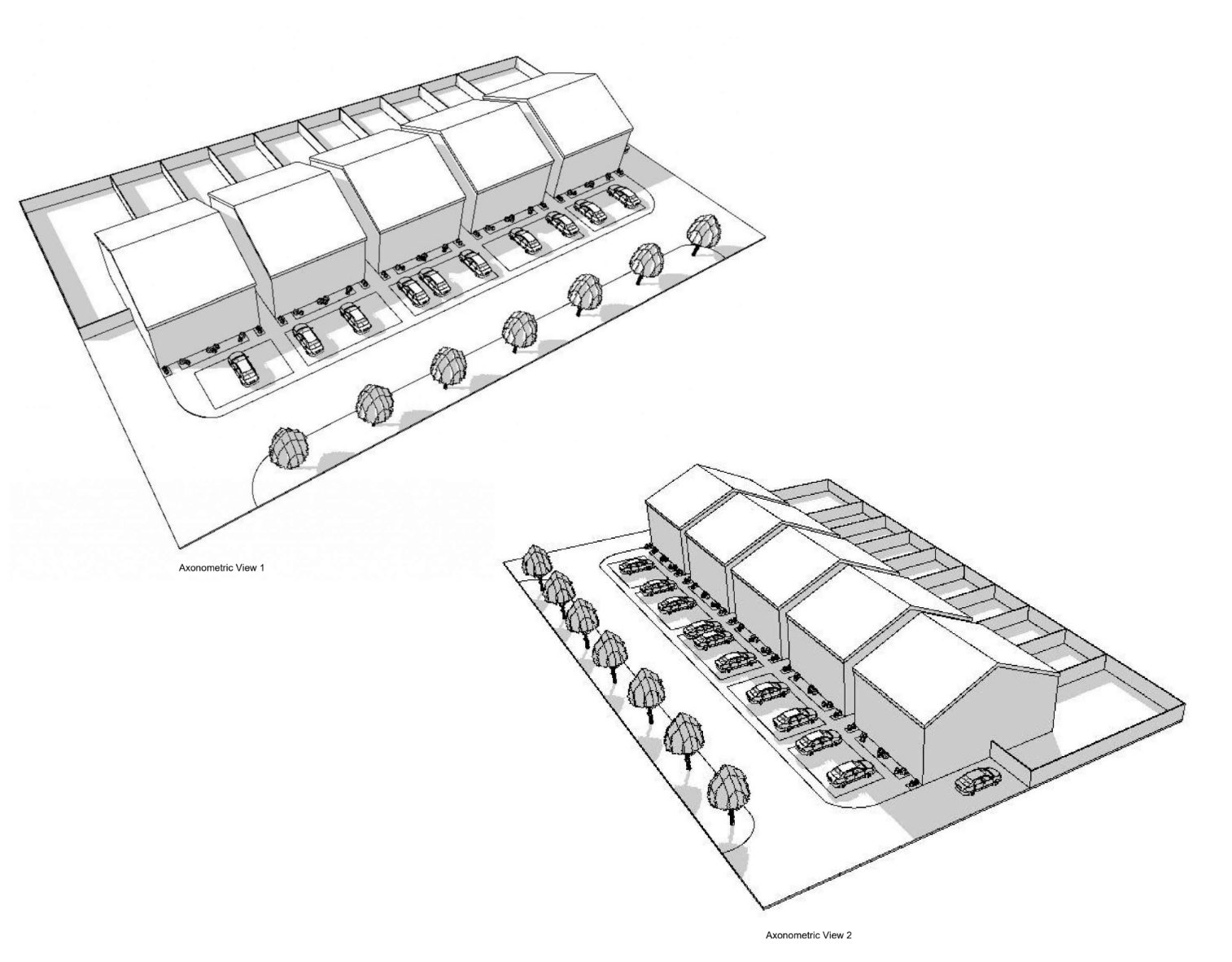
     

    Firstly, it’s important to consider your budget and the location of your new build. Research the local housing market and determine the costs associated with building in that area. Once you have a budget in mind, it’s time to consider the design and style of your new home. You can work with an architect or a custom home builder to create a design that meets your needs and preferences.

    Next, you’ll need to obtain planning permission from your local council. This can be a complex process, so it’s best to work with a planning consultant or architect to ensure your plans meet all necessary criteria. Once you have planning permission, you can start working with a builder to begin the construction process.

    During construction, it’s important to communicate with your builder and oversee the progress of the project. Make sure to obtain necessary permits and inspections to ensure the safety and quality of your new home.


    What are The New Build Costs?

    In terms of cost, a new build in the UK can range from £1,500 to £3,000 per square meter, depending on factors such as location, design, and materials used. However, building a new home can also increase the value of your property and provide a space that meets your specific needs and preferences.

    Overall, building a new home in the UK can be a rewarding experience with the right planning, budgeting, and execution. By following this guide and working with professionals, you can create your dream home and make your vision a reality.