Author: radu

  • Holiday Lets and Planning Permissions in the UK – NEW 2025 Edit

    Holiday Lets and Planning Permissions in the UK – NEW 2025 Edit

    A Comprehensive Guide: How to Make a Planning Application for Holiday Lets in the UK

    The UK holiday let industry is flourishing, attracting both individuals and businesses seeking to invest on the thriving tourism sector. However, before embarking on this exciting venture, it’s crucial to understand the planning regulations surrounding holiday lets. In this comprehensive guide, we will delve into the process of making a planning application for holiday lets in the UK, addressing the most searched keywords related to holiday let planning permissions in the country.

    1 .Understanding Holiday Let Planning Permissions 

    Holiday lets, also known as short-term rentals, are accommodations that are rented out for short periods, usually to tourists or vacationers. In the UK, these properties are subject to planning regulations, and obtaining the necessary permissions is essential before establishing a holiday let business.

    2. Researching Local Planning Policies

    Every local authority in the UK has its own set of planning policies and guidelines. Before making a planning application, it’s crucial to thoroughly research the specific policies of the area where you intend to establish your holiday let. This research will help you understand the restrictions, requirements, and criteria set by the local authority. Our Chartered Town Planners are able to answer all these questions with our Pre-Planning Application Advice service. Contact us and we’ll find if your holiday let is feasible to go ahead.

    3. Identifying the Appropriate Planning Permission 

    The planning process for holiday lets varies depending on the circumstances. Here are three common types of planning permissions that may apply:

    • Change of Use: If you plan to convert an existing residential property into a holiday let, you may need to apply for a Change of Use permission.
    • Permitted Development Rights: Some properties may already have Permitted Development Rights that allow them to be used as holiday lets without the need for planning permission. However, it’s essential to check the specific conditions and limitations.
    • Full Planning Application: If your property doesn’t fall into the above categories, you’ll likely need to submit a full planning application to the local authority.

    4. Engaging with Professionals

    Navigating the planning application process can be complex. Consider seeking professional advice from planning consultants or architects experienced in holiday let planning permissions. At Homz, we have submitted over 2000 projects and our team can provide expert guidance, ensure compliance, and assist with the application process. Please visit our Portfolio page to see some of our works and what kind of documents you need for the planning applications.

    5. Preparing a Comprehensive Planning Application

    To increase the chances of a successful planning application, it’s vital to provide a well-prepared and thorough submission. Some key elements to include are:

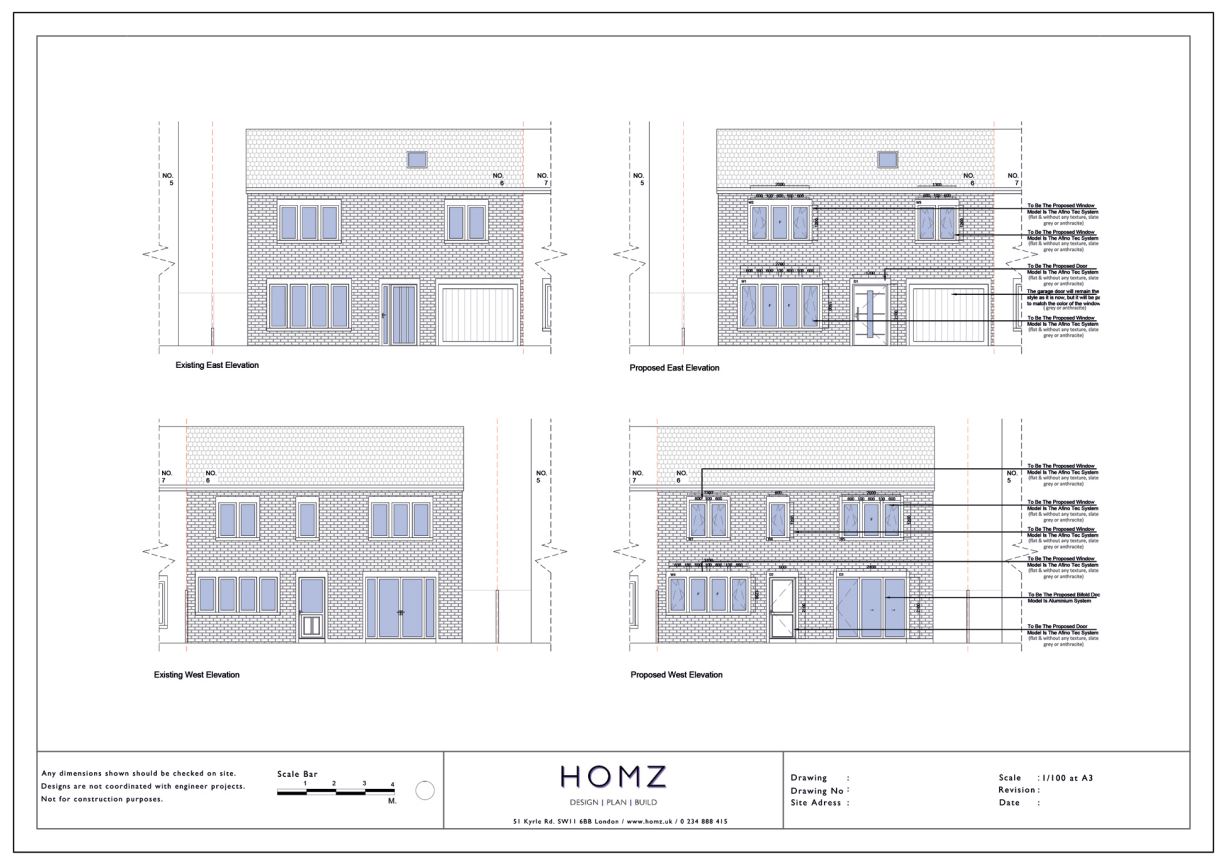
    • Supporting Documents: Gather relevant documents such as floor plans, site plans, elevations, and photographs to help visualize your proposal.
    • Local Community Engagement: Consider consulting with the local community, addressing any concerns they may have, and demonstrating how your holiday let will benefit the area economically and socially.
    • Environmental Impact: Assess the potential impact of your holiday let on the environment, including noise, traffic, and waste management, and outline how you plan to mitigate these factors.
    • Economic Benefits: Emphasise the positive economic impact your holiday let will have on the local area, such as job creation and increased tourism revenue.

    Submitting a successful planning application requires a professional preparation and our expert planners and architects are here to guide your process on behalf of you. Contact us to make this process easier for you.

    6. Submitting the Application and Following Up

    Once your planning application is ready, your agent will submit it to the local authority along with the required fees. Be prepared for the process to take several weeks or even months. When you work with Homz, our planning consultants will stay proactive by regularly following up with the planning department to ensure your application is progressing and address any queries they may have.

    7. Dealing with Planning Conditions and Appeals 

    In some cases, the local authority may grant planning permission with certain conditions attached. We’ll make sure that you fully understand these conditions and comply with them. If your application is rejected, you have the right to appeal the decision. We’d suggest to engage with professionals who can guide you through the appeals process and provide expert advice. We have dealt with hundreds of Planning Appeals on these matters and our Chartered Town Planners can easily manage the whole process hassle-free. Contact us if you need assistance.

  • What Happens If You Ignore an Enforcement Notice?

    What Happens If You Ignore an Enforcement Notice?

    Imagine receiving a letter from your local planning authority, telling you that your development is in breach of planning rules. You might be tempted to set it aside, hoping it will go away—but that would be a mistake. An enforcement notice isn’t just a warning; it’s a legally binding order that demands action. Ignoring it can lead to serious consequences, from hefty fines to forced demolition.

    So, what happens if you don’t comply? Can the council really take action against you? And most importantly, what can you do if you find yourself in this situation? In this guide, we’ll break down exactly what a planning enforcement notice is, the risks of ignoring one, and the steps you should take to protect yourself and your property.

    What Is an Enforcement Notice?

    An enforcement notice is a legal document issued by the local planning authority when a development or land use is found to be in breach of planning regulations. However, before a planning enforcement notice is issued, property owners or developers might first receive a Planning Contravention Notice (PCN). A Planning Contravention Notice is essentially a preliminary step, allowing the council to investigate a potential breach of planning control and gather information before deciding on formal enforcement action like temporary stop notice. If you receive a Planning Contravention Notice, it’s a signal that planning enforcement order or action could be on the way, and it’s important to address it promptly. Ignoring a Planning Contravention Notice can lead to the issuance of an enforcement notice planning, which carries more serious consequences. For more information on how to handle a PCN, check out our article: What Is a Planning Contravention Notice? Don’t Let a PCN Derail Your Project.

    Enforcement notices are legally binding and outline what needs to be done to rectify the breach—whether that involves stopping an unauthorised use, altering a structure, or even demolishing an unlawful build. It’s important to remember that failing to comply with a planning enforcement notice can lead to severe legal and financial consequences.

    The Importance of Planning Permission

    The root of many enforcement notices lies in the failure to obtain proper planning permission before making changes to a property. Planning permission is required for most types of development, whether you’re building an extension, changing the use of your property, or undertaking any other alteration. Without the necessary permissions, you risk receiving enforcement action from the local planning authority. For instance, making a property use change without existing planning permission, can lead to enforcement issues, as certain changes need formal approval.

    Permitted Development Rights (PDR)

    In some cases, it’s possible to make alterations or changes to your property without needing full planning permission under Permitted Development Rights (PDR). These rights allow specific developments to take place without requiring a formal application. However, PDRs do not apply universally—there are limitations, and certain areas, such as conservation areas or the Green Belt, may have stricter regulations. If you’re unsure whether your plans require planning permission or if PDR applies, it’s always best to check beforehand. For more information, you can explore our detailed article on property use changes: Can I Change the Use of My Property Without Planning Permission?.

    By ensuring you have the correct permissions and planning control in place before making changes to your property, you can avoid enforcement action and the serious consequences that come with ignoring an enforcement notice. Always be proactive in checking your local planning authority’s knowledge and requirements to keep your project on the right track.

    What Can Happen If I Don’t Comply with an Enforcement Notice

    The Legal Consequences: A Serious Matter

    An enforcement notice isn’t just a piece of paper—it’s a serious legal document that you can’t afford to ignore. Since it’s legally binding, failing to follow the instructions within the notice is considered a criminal offence. If you disregard it, you risk facing prosecution, which can lead to hefty fines that may go on indefinitely—there’s no upper limit to the penalties the magistrates’ court can impose. In the most extreme cases, ignoring an enforcement notice could even result in imprisonment.

    This might sound like a worst-case scenario, but it’s important to understand that the law doesn’t take non-compliance lightly. The county court local planning authority is obligated to enforce planning regulations, and if it comes to prosecution, the fines and penalties could be substantial. These financial repercussions often go beyond the immediate costs of rectifying the first breach of condition notice, leaving you with a long-term financial burden.

    So, while it might seem tempting to overlook the notice or delay in taking enforcement action further, the risks involved—especially the possibility of criminal charges—are simply not worth it. Addressing the issue promptly not only avoids legal trouble but also ensures that you can move forward with your property and plans without worrying about potential criminal consequences.

    Financial Penalties: The High Price of Non-Compliance

    Ignoring an enforcement notice isn’t just a legal issue; it can also hit you hard in the wallet. Local planning authorities have the power to seek magistrates court injunctions, forcing you to bear the costs of any remedial action they take to remove unauthorised developments. Whether that means demolishing an illegal structure, restoring a site to its previous condition, or ceasing unauthorised land use, the expenses can add up quickly—and you’ll be the one paying.

    In extreme cases, the council may take action under the Proceeds of Crime Act, leading to financial penalties that go well beyond the cost of resolving the issue. This could result in the seisure of assets or the recovery of amounts greater than the expenses incurred for the development, turning a financial challenge into a much larger burden.

    To avoid penalties like these, it’s advisable to seek pre-planning guidance before starting your development project. Consulting a professional early on can help prevent costly errors and ensure your plans comply with planning regulations. For more on how pre-planning advice can help you, check out our page: Pre-Planning Advice.

    When it comes to getting things right, don’t hesitate to reach out for expert guidance. For the best advice tailored to your specific project, Contact Us today.

    Direct Council Action: When Authorities Take Matters Into Their Own Hands

    If you decide to ignore an enforcement notice, be aware that the local planning authority has the authority to step in and take action themselves. This means they can carry out the necessary work to address the breach, whether it’s demolishing an illegal structure, halting an unauthorised use of land, or restoring the site to its original condition.

    While this might seem like the council taking control of the situation, it’s important to remember that the costs associated with these actions are not covered by them. Instead, they will be passed on directly to you, the property owner. The financial burden can quickly become overwhelming, often far exceeding what it would have cost to address the issue voluntarily from the start.

    Instead of allowing the situation to escalate, it’s far more effective to take action sooner. Whether that means a stop notice, adhering to the notice, consulting a professional, or collaborating with the council to find a resolution, tackling the issue early can help you save time, reduce stress, and avoid costly surprises.

    Impact on Future Planning and Property Value: The Long-Term Consequences

    Ignoring an enforcement notice can have a lasting impact, not only on the current situation but also on your future plans. Local planning authorities are likely to be less inclined to approve future planning applications from individuals who have a history of non-compliance. This means that even if you have a new development project in mind, the appropriate officer at the council may scrutinise your applications more closely, making it harder to secure approval.

    Beyond some planning enforcement issues, enforcement notices are officially recorded on property records. This can create significant obstacles when it comes to selling or refinancing the property. Potential buyers or lenders may be deterred by the presence of such a record, fearing future legal complications or the cost of rectifying past issues.

    In essence, overlooking enforcement action doesn’t only impact your current project; it can lead to long-term difficulties for your property’s future. That’s why it’s crucial to tackle any issues promptly before they become bigger problems down the line.

    What Should You Do If You Receive an Enforcement Notice?

    Receiving an enforcement notice can be a stressful experience, but taking swift and thoughtful action is crucial to resolving the issue. Here’s a step-by-step guide on how to effectively handle the situation. For more detailed information on what to do when you receive an enforcement notice, check out our article: What Should I Do if I Receive an Enforcement Notice from the Council?.

    1. Understand the Enforcement Notice

    The first step is to thoroughly review the enforcement notice and understand exactly what is required. The notice will outline the actions you need to take to rectify the situation—whether it’s a compliance period halting an unauthorised use, making modifications to a structure, or even demolishing part of a building. Take your time to absorb all the details before deciding on your next steps.

    2. Take Note of the Deadline

    Enforcement notices usually give you 28 days to respond or appeal. This period is crucial, as it gives you time to prepare your case, whether that involves making changes to your project or taking legal action. It’s essential not to ignore this deadline, as failing to respond within this timeframe may result in further complications.

    3. Consider Retrospective Planning Permission

    In many cases, the issue arises from a development or change of use that hasn’t been approved by the council. One possible solution is to apply for retrospective planning permission. This allows you to seek formal approval for work that has already been carried out. However, it’s important to note that this may not always be accepted, depending on the nature of the development and the local planning authority’s policies. Consulting with a planning professional can help determine if this is a viable option for your situation. For more detail you can check out our article; Retrospective Planning Permission: Do You Need Planning Permission If You’ve Built Without Planning Approval

    4. Engage in Dialogue with the Council

    In some cases, a direct conversation with the council can help resolve the issue without resorting to a lengthy appeal process. This could involve negotiating for minor adjustments to your project to bring it into compliance or agreeing on a timeline for making necessary changes. Building a cooperative relationship with the council could save you time and effort down the line.

    5. Appeal the Enforcement Notice

    If you believe the enforcement notice was issued in error, or if the required actions seem unreasonable, you have the option to Appeal. It’s important to ensure that you submit your appeal within the 28-day deadline. During the appeal process, you may need to gather supporting evidence or expert testimony to strengthen your case. If you choose to go down this route, be prepared for the possibility of a lengthy procedure.

    The best approach when dealing with an enforcement notice is to seek guidance from experts in planning law. Understanding the complexities of planning rules, enforcement procedures, and appeals can be challenging. A knowledgeable professional can offer valuable advice, helping you evaluate your options, assess potential risks, and navigate the appeals or negotiation process. Their experience ensures you make informed decisions at each step, reducing the likelihood of complications later on.

    Here’s How Homz Steps In to Help You With an Enforcement Notice

    Your response to an enforcement notice plays a pivotal role in shaping the result. Whether you opt to contest the notice, apply for retrospective approval, or find another solution, it’s important to act decisively and with careful consideration. Getting expert advice early on can help you navigate the process smoothly and ensure you choose the best course of action for a successful resolution.

    At Homz, we understand the intricacies of town and country planning laws and enforcement actions. Our team is here to help you navigate the process smoothly, offering expert advice tailored to your specific situation.

    If you’re unsure about the next steps or need assistance, don’t hesitate to Contact Us. We’re here to support you every step of the way.

    FAQ – Enforcement Notices and How to Handle Them

    1. What are my options if I receive an enforcement notice?

    You have several options:

    • Understand the enforcement notice and the actions required.
    • Consider applying for retrospective planning permission if you’ve made changes without approval.
    • Engage in dialogue with the council to resolve the issue without a lengthy appeal.
    • Appeal the enforcement notice if you believe it was issued in error or the required actions are unreasonable.

    Each of these options should be considered carefully, and it’s crucial to act within the given timeframe.

    2. How long do I have to respond to an enforcement notice?

    Typically, you have 28 days to respond to an related enforcement notice. This includes the time limits for court hearing and possibility of filing an appeal or making necessary changes. Missing this deadline can lead to further complications, so it’s important not to delay your response.

    3. What happens if I apply for retrospective planning permission?

    Applying for retrospective planning permission may allow you to gain official approval for work that has already been completed without prior consent from local authorities. However, it is not guaranteed that the council will accept this application, and the decision depends on factors like the nature of the development and local policies.

    4. Should I seek professional help if I receive an enforcement notice?

    Yes, it’s highly recommended to seek professional advice when dealing with an enforcement notice. A planning professional can guide you through your options, whether you need to appeal the condition notice, apply for retrospective planning permission, or negotiate with the council. Their expertise ensures you follow the correct procedures, secure compliance, and minimise the risks involved.

    5. Can ignoring an enforcement notice affect my property value?

    Yes, ignoring an enforcement notice can lead to complications when selling or refinancing your property. Enforcement notices are recorded, and potential buyers or lenders may be deterred by the legal issues associated with non-compliance such a notice.

    6. How can I avoid receiving an enforcement notice in the future?

    The most effective way to steer operational development clear of an enforcement notice is to secure the proper planning permission before starting any work. Seeking advice from your local planning authority’s opinion and experts ahead of your project can help you avoid expensive errors and ensure that your development meets all necessary regulations.

  • 5 Things to Know When Planning an Extension Project in the UK

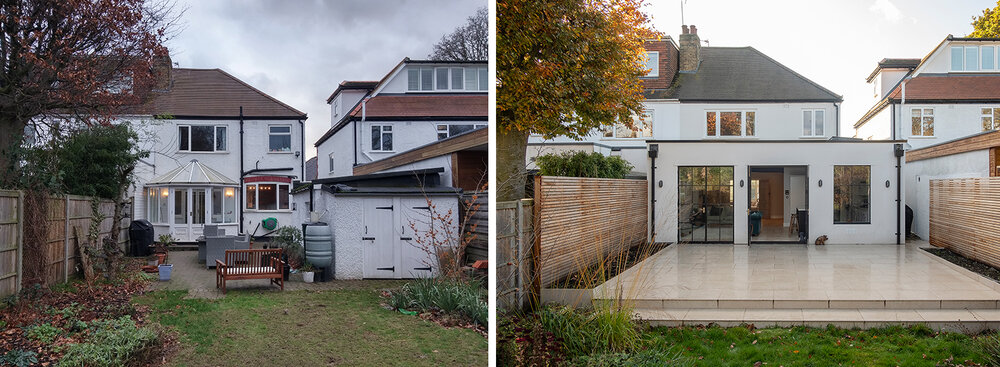
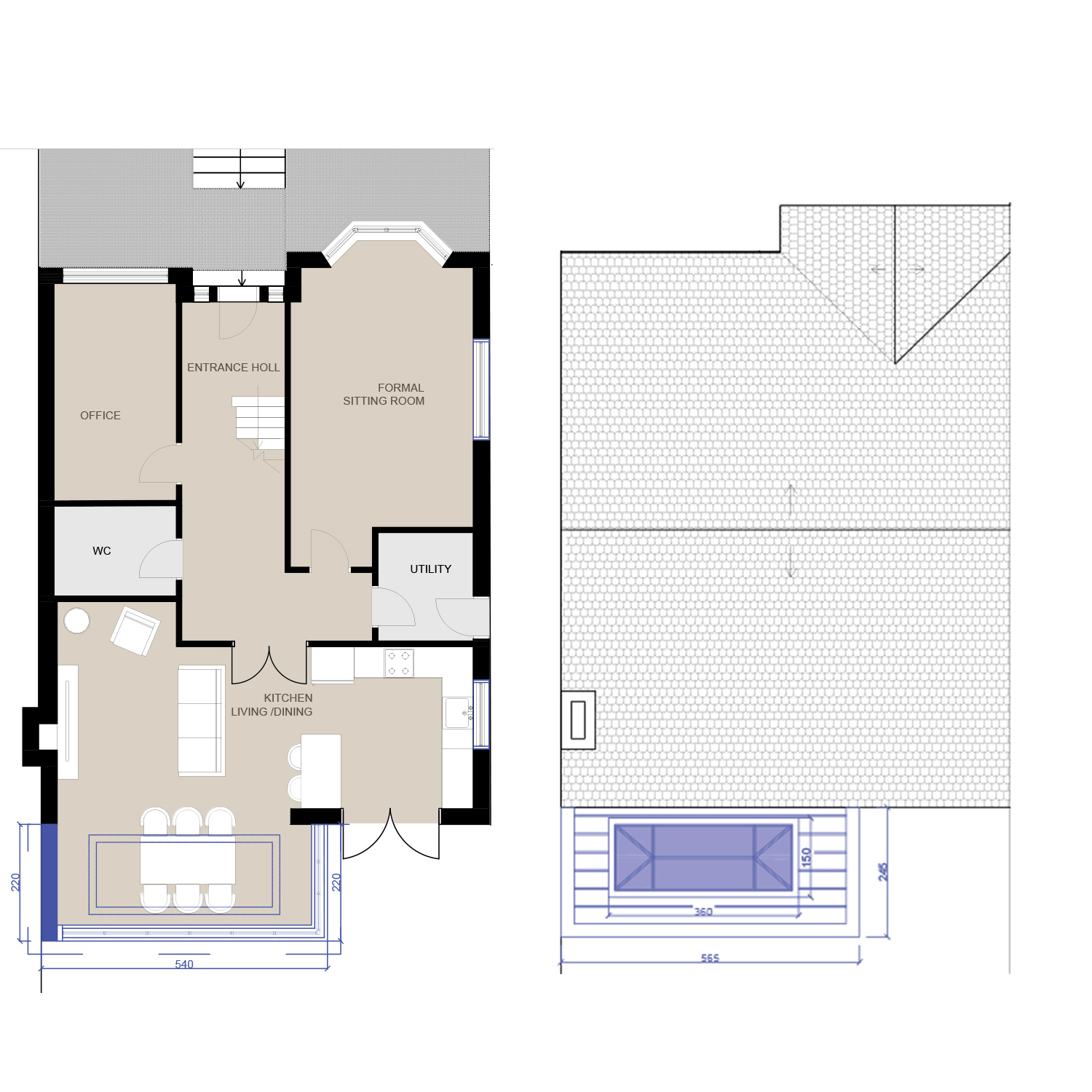
    Fancy Some Extra Space in Your Home? Adding extensions to your home with various alternatives gives you more space and allows you to get more light. It increases the value of your home as a result of the changes you have made. Most importantly, it helps your home adapt to your changing needs. Because everybody needs quality space for their family and friends. Let us help you from Planning to the Construction.

    Why to Extend Your Home ?

    Adding extensions to your home with various alternatives gives you more space and allows you to get more light. It increases the value of your home as a result of the changes you have made. Most importantly, it helps your home adapt to your changing needs.

    .       

    Why Choose a Ground Floor Extension?

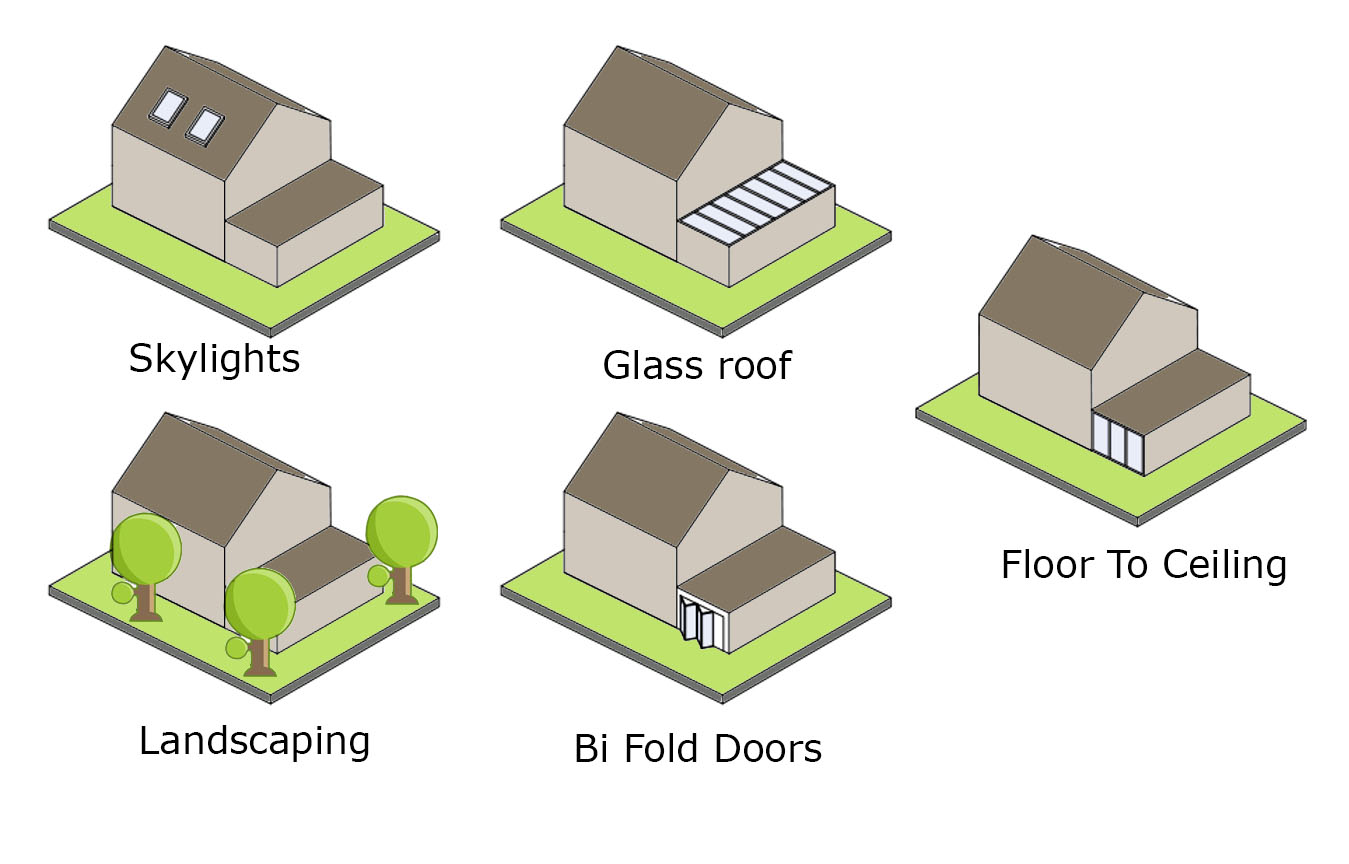
    With very small and inexpensive touches to your home, you can enrich the design of your home and increase its value. These small changes you will make will enrich the design of the house as well as ensure your comfort at home. These changes can be possible with new windows, new doors and landscaping that you will install in the house. It is so easy to achieve the aesthetic appearance of your home with the appropriate material selection and appropriate designs.

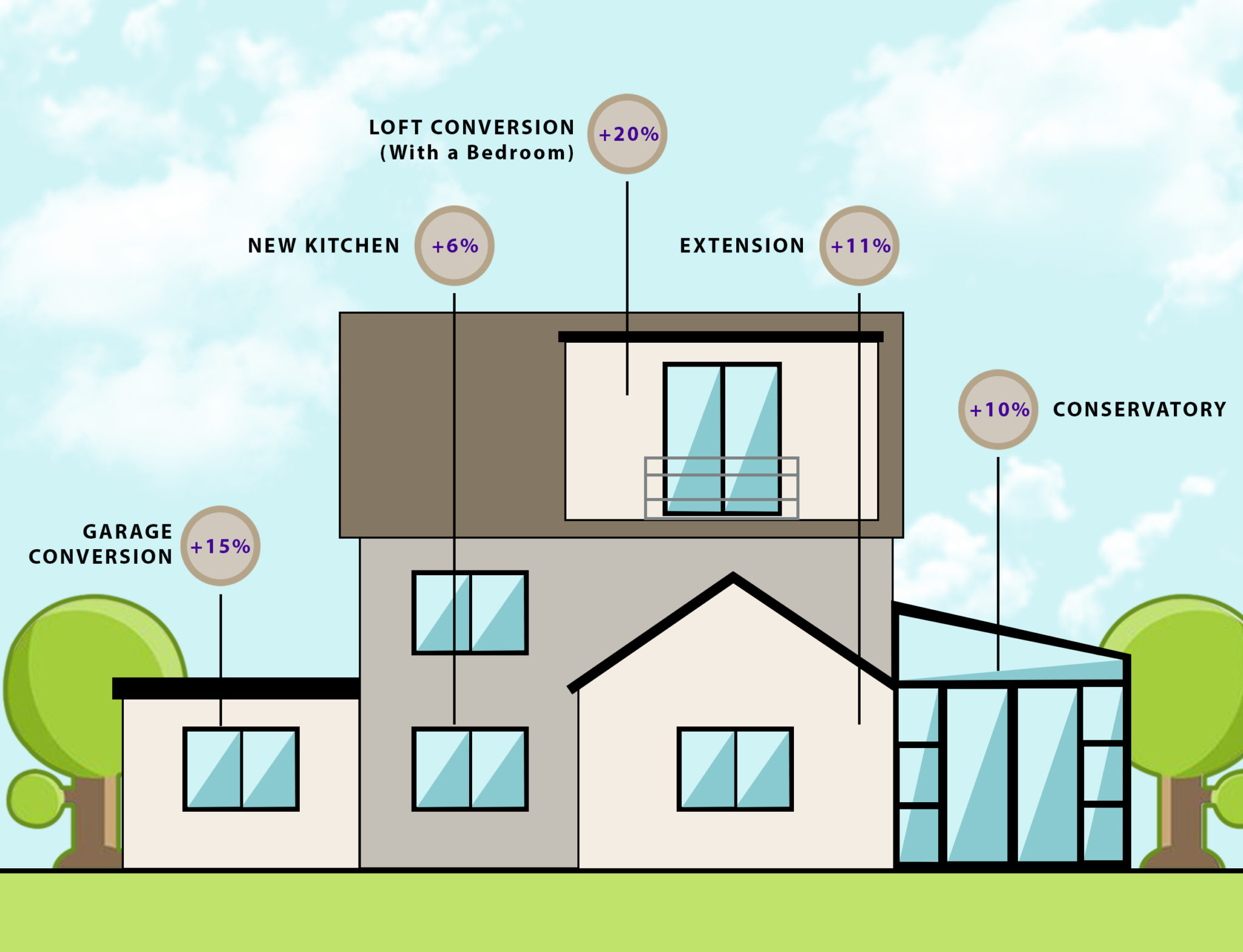
    How Much Value Does an Extension Add to Your Home?


    How much an extension will increase the value of your home by depends on the placement, size, and construction. The vast majority of well-built extensions will add value since they increase the size of your property and improve and update the living areas.

    How profitable building a new extension is will depend on lots of factors:

    • The ceiling height of property prices in your area
    • How much the extension project has cost
    • Whether you are looking to sell immediately, or in the future
    • The nature of the design and build of your extension
    • The quality of the work and materials used


  • How to Budget, Plan and Design a New Kitchen Extension

    How to Budget, Plan and Design a New Kitchen Extension

    Kitchen extensions are one the most common ways people choose to extend their homes. Traditionally, kitchens were functional spaces, and this means that in a lot of existing properties, kitchens are quite small. A well-designed kitchen extension can increase the value of your home and make it much more comfortable.

    A kitchen extension can be an excellent way to add both space and value to your home. By extending your kitchen, you can create a larger, more functional space for cooking, dining, and entertaining, while also increasing the overall value of your property.

    The cost of a kitchen extension can vary depending on several factors, including the size of the extension, the materials used, and the complexity of the project. However, the return on investment for a kitchen extension can be significant, with some estimates suggesting that it can increase the value of a property by up to 15%.

    Types of Kitchen Extensions


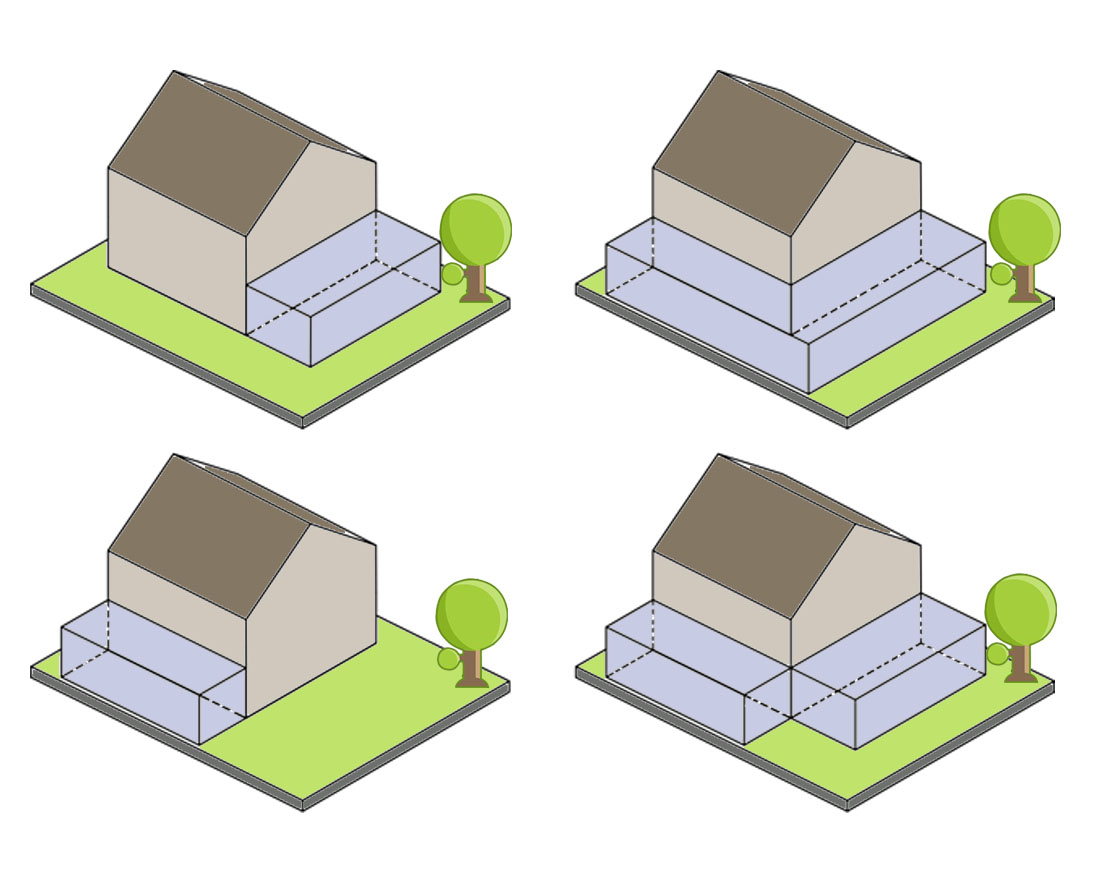
    Rear Extension

    If you lack the space needed for a side return, you might consider a rear extension. This will take your kitchen out into your garden, meaning its worth considering how much green space you’re willing to lose during the design stage.

    Wrap around extension

    A combination of a side and rear extension, the wrap around gives a dramatic makeover to your kitchen. The extra space provided makes open plan living a dream, as you can easily combine your living, kitchen and entertaining areas with your new addition. Perfect for growing families.

    Side return extension

    The small but mighty option. To look at, a side return extension isn’t a huge add on to your property, but often generates a lot of new space within your kitchen. Not only that, they can be very reasonable in terms of cost.


    Will I Need Planning Permission for a Kitchen Extension?


    If you are going to be adding a kitchen extension to create your new multi functional space, then you may be covered under Permitted Development (PD) rights and therefore not require planning consent.

    However, bear in mind that if your house is in a Conservation Area or national park, the amount of work you can do under PD is usually reduced and you may require planning permission.


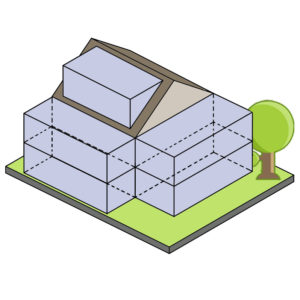
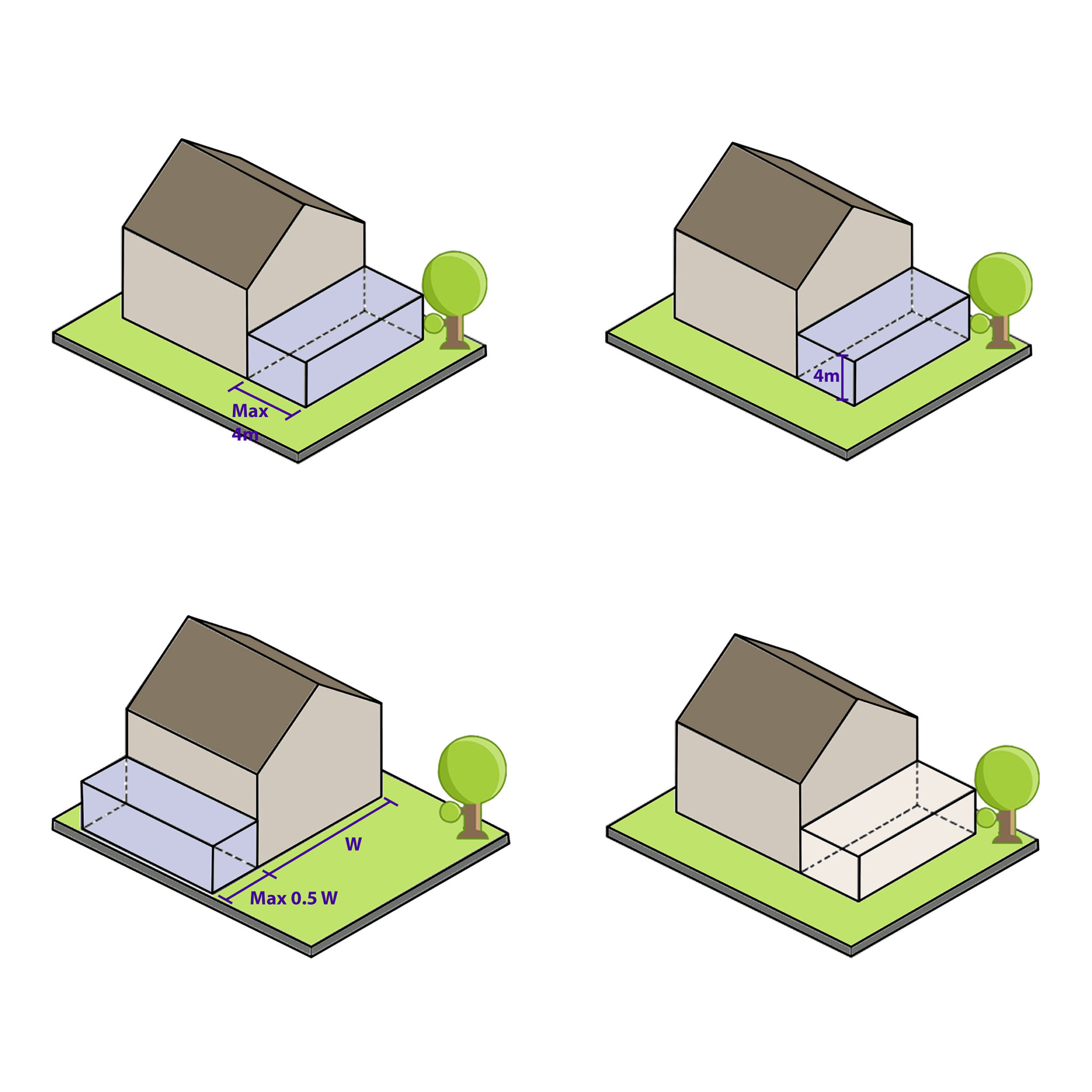
    To be covered under PD rights, a single-storey extension should:

    • Be a maximum height of four metres
    • Not extend beyond the original rear wall of the house by more than six metres if it is an attached house (i.e. semi-detached), or eight metres for a detached home
    • If you are adding a side extension, this must be single-storey with a width of no more than half that of the original house
    • Materials to be similar in appearance to the existing house.


    Planning The Layout of Your Kitchen Extension


    While many people extend to be able to create a larger open plan kitchen, this isn’t the only option available. Broken plan is a riff on open plan spaces, which offers the best elements of an open plan kitchen — light, open sidelines — with the benefits of having more defined areas and divides between spaces, such as less noise and food smells when using physical partitions, or just a sense of a more intimate space when using spatial divides.


    Is a Small Extension Worth It?


    First off, you’re not the only person to have wondered about the relative value of adding an extension on to your property. The matter has been researched many times, and plenty of statistical evidence is available to back up the claim that – in general, at least – a home extension is something to consider if you’re thinking of adding value to your property. According to research from the past few years, in England and Wales, a home extension which measures 25 square metres can add around 15% to a property’s sale price.

    Even a small extension is worth it and can add value to your property, by increasing the length or width of your home. It can add value to your experience of your home too, adding more than just financial value to your property.

  • Common Pitfalls to Avoid in Change of Use Applications: How to Ensure Your Project Gets Approved

    Common Pitfalls to Avoid in Change of Use Applications: How to Ensure Your Project Gets Approved

    When planning to apply for a change of use for your property to get planning permission, it’s easy to underestimate the complexities involved. Change of Use projects, whether converting a commercial property into residential use or repurposing a retail unit, often require careful consideration of planning regulations, legal processes, and local authority guidelines. Missteps during the process can lead to unnecessary delays, refusals, or legal complications. Below, we outline the most common mistakes to avoid and how to navigate these challenges effectively.

    1. Do You Really Need a Change of Use Planning Application? Here’s How to Tell

    One of the most common mistakes when starting a change of use project is not being clear on whether a formal planning application is actually necessary. While some changes fall under Permitted Development Rights—allowing you to proceed without needing full planning permission—this isn’t always the case. The rules surrounding permitted development rights can be quite specific, and even minor oversights can lead to costly delays or enforcement issues.

    For example, while moving from one use class to another within certain categories listed buildings might not require planning permission with permitted development rights, changes involving residential conversions, commercial spaces, or unique uses of listed buildings often demand a detailed application. Without confirming this step early, you risk committing resources to a project that could face rejection or complications later.

    To help you as homeowners get started, we’ve broken this complicated part down further in our article: Can I Change the Use of My Property Without Planning Permission? This guide explains the permitted development rules and highlights scenarios where a formal application is essential.

    2. Why Skipping a Certificate of Lawful Development Could Cost You

    Although obtaining a Certificate of Lawful Development (CLD) is not always a requirement, it can be crucial in certain situations, particularly when there is any uncertainty about the circumstances or the legality of your planned change of use. Failing to apply for a CLD can leave your project exposed to potential challenges, especially if the property’s use is questioned later by local authorities, councils or third parties.

    To avoid this, it’s a good idea to apply for a CLD early in the development process. This step helps establish that your proposed change of use complies with local planning regulations, protecting you from any future complications. For instance, if you’re converting a commercial space into residential units or commercial developments, obtaining a CLD will confirm the change is lawful, which can prevent future disputes or enforcement issues.

    To prevent these challenges, ensure you have a well-prepared application for the Certificate of Lawful Development. The right documentation upfront can save you from unnecessary delays and legal issues. If you need help with this process, don’t hesitate to reach out – we can assist you in preparing a robust and well-organised application.

    Feel free to Contact Us for expert guidance and support!

    3. Insufficient Research on Local Policies and Regulations

    When applying for a Change of Use to get planning permission, it’s crucial to thoroughly understand the local planning policies and regulations that apply to your property. For example, in areas affected by Article 4 Directions, you will need to make a full planning application, even if the change seems straightforward. These local regulations require planning permission to be in place to protect the character of certain areas and to ensure that any development aligns with the broader vision of the local community.

    Each local authority has its own set of policies, and failing to understand them can lead to your application being denied. Key factors such as the impact on the local community, availability and cost of parking, and whether the proposed use aligns with the character of the area are all evaluated during the approval process in most cases. For example, converting a residential property into a business could face additional scrutiny, especially regarding the potential pressure it may place on local infrastructure or parking facilities.

    To avoid setbacks, ensure your proposal aligns with these local policies. Research is key to ensuring your project is not only legal but also welcomed by the community. If you’re unsure about any local regulations, or if you’re dealing with complex issues with specific restrictions like building an Article 4 Direction or other Conservation Areas, it’s essential to seek expert advice. You can learn more about Article 4 and How It Could Affect Building Your Project.

    We can help guide you through the planning maze and ensure that your application meets all necessary requirements to get planning permission. Contact Us to learn more about how we can assist you with your Change of Use project and ensure your plans align with the local authority’s guidelines.

    4. How Misunderstanding the Planning Use Class Order Can Derail Your Project

    Understanding the Planning Use Class Order is crucial when applying for a change of use planning permission. The order categorizes different types of property uses and defines the planning permissions required for significant changes to each. Without a clear grasp of which use class, your property falls under, you could find yourself applying for the wrong type of planning permission or missing the need for a change of use entirely.

    To identify and prevent this mistake, it’s important to research the applicable use classes and understand the current classification of your property. If your project requires changing to a different use class, ensure you submit the appropriate application for planning permission. If you’re uncertain, we’ve created a comprehensive guide that covers everything you need to know about the Planning Use Class Order. Read Our Full Guide Here. This can provide clarity and help you move the particular project forward with confidence.

    5. Submitting Incomplete or Poorly Prepared Applications

    Submitting an incomplete or poorly prepared change of use application is one of the most common reasons for delays or refusals. Missing documents, incorrect site plans, or unclear explanations of how your proposal fits within local government and planning policies can all lead to your application being delayed or even rejected.

    To avoid this, make sure your application is thorough, accurate, and professionally presented. Double-check that you have all the necessary documents, that your site plans are up to date, and that you’ve clearly outlined how the change will align with local government regulations. If you’re unsure about the process, getting expert help can make all the difference.

    For example, you can check out Our Portfolio to see how we’ve helped others with their change of use projects. 

    One case study we’re especially proud of is A Planning Appraisal for A Change of Use From A Hot Food Takeaway (Sui Generis) to A Restaurant (Class E). In this case, we helped the client navigate the complexities of the planning application process, ensuring everything was in order for a smooth planning permission. By working with us, you can ensure your change of use application is just as well-prepared and stands the best chance of success!

    6. Failing to Engage with Local Authorities and Professional Experts Early On

    One mistake people often make is waiting too long to engage with their council or local planning authority (LPA). Reaching out early in the planning process can save you from unnecessary delays or surprises later on like if your property is located in a conservation area. Councils often have specific concerns or additional requirements that you might not be aware of, and getting ahead of these can make a big difference.

    It’s a good idea to arrange a brief pre-application meeting with your local planning authority. This provides an opportunity to receive valuable feedback on your plans and make necessary changes before you submit your official application. Additionally, collaborating with a professional, such as a planning consultant, early in the process can help you refine your proposal and ensure it meets local standards and expectations.

    At Homz, we offer expert Pre-Planning Advice to help you navigate the early stages of your project with confidence. Having professional support can ensure your application is stronger from the start, increasing your chances of approval and minimising unexpected issues. Our experience means we can spot potential hurdles early and advise you on how best to address them.

    7. Not Preparing for Potential Refusals or Appeals

    Despite thorough preparation, there’s of course always a chance that your planning application refused. While it can be disheartening, it’s important to have a strategy in place for such situations. Failing to anticipate a refusal can lead to avoidable delays, particularly if you’re unprepared and unsure of the next steps to take.

    To prevent unnecessary stress, it’s wise to understand the appeal to the planning inspectorate process ahead of time. If your application is declined, being prepared for what’s next and how to proceed can make a significant difference. Enlisting the help of experts, such as planning consultants, can strengthen your appeal. Their in-depth knowledge of the planning system will help you navigate the process more effectively and boost your chances of a positive outcome.

    At Homz, we understand that dealing with a refusal can be frustrating, but it’s important to stay proactive. If your change of use application is refused, we’ve put together a detailed guide to help you navigate the appeals process. You can read our article Here to learn more about the steps you can take to challenge a refusal and get your project back on track. We’re here to support you through the process, so don’t hesitate to Reach Out if you need expert advice!

    Navigating the complexities of change of use planning applications can be challenging, but understanding the common pitfalls and how to avoid them can set you on the right path. From ensuring you apply for the correct permission to engaging with councils and preparing for potential refusals, thorough planning and professional advice are key to a smooth application process. By taking the time to research, prepare, and consult with experts, you increase your chances of a successful outcome.

    Why Work with Homz for Change of Use Projects?

    This is where Homz can make a difference with professional services. Our team of experts is here to help you navigate this complicated process smoothly, ensuring you have all the guidance and evidence needed for a planning permission. We’ll work closely with you to address any concerns, whether it’s refining your application or offering strategic advice on complex cases.

    Don’t let a refusal hold you back. Get in touch with us today for professional advice and let us help you move forward with confidence. Contact Us Here, and let’s take the next step together!

    FAQ – Change of Use Planning Applications

    1. What is a change of use planning application?

    A change of use application is required when you want to change the purpose of a building or land from one use class to another, such as converting a shop into a restaurant or turning a warehouse into residential flats. Depending on the type of property you change, full planning permission or prior approval may be needed. Learn more about Change of Use Projects.

    2. Do I always need planning permission for a change of use?

    Not necessarily. Some changes of use can be made under Permitted Development Rights, meaning planning permission or consent from local council isn’t required. However, certain changes, especially those in sensitive or heavily regulated areas, may require full planning permission, consent or prior approval from the local council. Find out more about Permitted Development Rights.

    3. What is a Certificate of Lawful Development?

    A Certificate of Lawful Development is an official document that verifies whether a proposed change of use is a permitted development under existing planning laws. Although it’s not a requirement for securing planning permission, obtaining this certificate can offer peace of mind by confirming your project complies with regulations and can help prevent potential issues down the line. For more details, check out our guide on Certificates of Lawful Development.

    4. How can I avoid delays or refusals in my change of use application?

    To prevent setbacks or refusals, make sure your application is thorough, precise, and aligns with the local planning authority guidelines. Reaching out to the local planning department or authority early and getting professional advice can help pinpoint any potential challenges before you submit your application. A planning expert can also assist in making the process smoother and more efficient. For expert advice, Contact Us Today.

    5. What should I do if my change of use application is refused?

    If your application is refused, you have the right to appeal. It’s important to understand the grounds for refusal and work with the council and a planning consultant to build a strong case for your appeal. You can find more detailed guidance on how to handle a planning appeal in our article on Steps to Planning Appeal.


  • Many Homeowners Skip Planning Permission for Renovations

    Many Homeowners Skip Planning Permission for Renovations

    Have you ever imagined enhancing your home with a beautiful extension or loft conversion? You’re certainly not alone—many homeowners are choosing to renovate and create more living space rather than go through the expense and hassle of moving. However, here’s the thing: not everyone is aware that significant renovations often require planning permission. According to a recent survey of over 5,600 homeowners in the UK, more than 10% admitted to either skipping this vital step or didn’t realise they needed permission in the first place. This oversight can lead to serious complications with local councils and cause unnecessary stress in the long run.

    According to the survey, 12% of homeowners admitted they had either overlooked or knowingly ignored the need for planning permission. Among those who knowingly took the plunge, 21% did so because they thought they wouldn’t get caught. While that might seem like a bold move, it’s not without consequences. Local councils have the authority to issue enforcement notices, which can force you to apply for retrospective planning permission or, worse, undo all the work you’ve done. Want to know how these notices work? Check out our guide, What is a Planning Contravention Notice? or “Received an Enforcement Notice From The Council, What Should I Do Now?” for the full story.

    With rising house prices pushing people to renovate rather than relocate, it’s easy to see why homeowners take on these projects. But jumping straight into construction without the right approvals can backfire spectacularly. Before starting any major renovation, securing pre-planning advice is key. Understanding what’s possible, permissible, and in line with local planning rules could save you from costly mistakes down the line. Instead of relying on retrospective permission—which is no guarantee—be proactive. By seeking advice early, you’ll have a clearer path forward. For more details check out our Pre-Planning Advice page. 

    The good news? There’s a way to avoid all this. By understanding your planning requirements early on, you can steer clear of enforcement issues altogether. Our article, Retrospective Planning Permission: Do You Need It?, breaks down the factors that influence these cases and why being proactive is always the smarter choice.

    So, before you start knocking down walls or building upwards, take a moment to double-check your planning permissions. A little preparation now could save you time, money, and the headache of dealing with enforcement notices later. After all, the best home improvements are the ones you can enjoy without any strings attached.

    At Homz, we specialise in helping homeowners navigate the often complicated world of planning permissions. Whether you’re looking to secure approval for your renovation or need guidance on retrospective planning applications, we’re here to simplify the process and support you every step of the way. Get in touch with us today, and let’s make sure your dream project becomes a reality.

    References:

    1.) https://www.theplanner.co.uk/2025/01/27/poll-reveals-many-homeowners-fail-gain-permission-major-renovations

  • What is a Planning Contravention Notice? Don’t Let a PCN Derail Your Project

    What is a Planning Contravention Notice? Don’t Let a PCN Derail Your Project

    Have you ever been surprised by a letter from the council, asking questions about your property or a recent project? If so, you might have encountered a Planning Contravention Notice, or PCN for short. At first glance, it can feel a bit unsettling—like you’re being called to the principal’s office—but it’s not as scary as it sounds.

    A PCN is essentially the council’s way of saying, “We’ve noticed something, and we’d like to know more.” It’s a chance to provide clarity and, in many cases, avoid further complications. But what exactly is a PCN, why might you receive one, and how should you handle it?

    In this guide, we’ll break it all down, answering the questions you didn’t know you had and helping you navigate the process like a pro. Ready? Let’s dive in!

    Why Do Planning Contravention Notices Exist?

    Planning Contravention Notices (PCNs) aren’t there to trip you up—they exist to keep the planning system running smoothly and fairly. When planning authorities notice something that might not align with planning laws—like a new extension, a change in how your property is being used, or a building that looks different from approved plans—they issue a PCN to gather more information.

    It’s important to understand that a PCN is not the same as an Enforcement Notice. Think of a PCN as the planning authority politely knocking on your door and saying, “We have a few questions.” Enforcement Actions, on the other hand, come later if the council decides that there is a planning breach that must be rectified. You can read more about What To Do If You’ve Received An Enforcement Notice.

    PCNs give you an opportunity to explain your side of the story, clear up misunderstandings, or provide details the council needs to assess the situation. They’re an investigative tool, not a punishment. By addressing the PCN promptly and correctly, you might even avoid further enforcement action altogether.

    Feasibility Assessment by Homz

    The Importance of Obtaining Planning Permission

    Securing planning permission is essential to make sure that any development or change in the use of your property aligns with local planning authorities laws and regulations. Although it might seem easier to bypass the official process, obtaining the necessary permissions helps safeguard both your interests and the community at large. It ensures your project meets zoning requirements, environmental guidelines, and building codes.

    Without proper planning permission, you risk facing complications down the line. These could include hefty fines, the need to undo or alter your work, or even the possibility of enforcement action. In some cases, you might have to submit a retrospective planning application, which is a formal request to legalise unauthorised work. While this can be an option, it’s often a last resort and doesn’t guarantee approval, potentially leading to additional costs and stress.

    For example, if you want to change the use of land on your property, it’s essential to get the right permission. Even if you proceed without consent, you may later find yourself required planning permission to submit a retrospective planning application to address the unauthorised changes. This process can be avoided by ensuring all necessary permissions are secured before starting your project. For more details on this topic, you can check out our article on Retrospective Planning Permission: Do You Need Planning Permission If You’ve Built Without Planning Approval

    Additionally, if enforcement action is taken against unauthorised work, a retrospective planning application might be your only chance to resolve the situation. However, this route is far from ideal, as councils are under no obligation to approve it and may impose conditions or require modifications.

    In short, obtaining planning permission is a safeguard that helps avoid potential headaches and ensures your project is fully compliant with local planning authorities laws.

    When Could You Receive a Planning Contravention Notice?

    Imagine this: you’ve recently finished a renovation, started using your property differently, or made changes you didn’t think were that significant. Then, out of nowhere, you get a Planning Contravention Notice (PCN). But why?

    A PCN is issued when the council suspects that something about your property might not align with planning regulations. Some common reasons for receiving a PCN include:

    • Building an extension or structure without obtaining the proper planning permission.
    • Changing the use of your property, like converting a home into a business or renting out rooms in a way not approved by planning.
    • Making alterations that differ from what was originally agreed upon in your planning application.

    PCNs can also be triggered by complaints from neighbours, regular, site visits and inspections, or the council noticing something that looks out of place. But it’s important to note that receiving a PCN doesn’t mean you’ve done anything wrong—it’s simply the council’s way of gathering more information to understand the situation before taking any further steps.

    If you respond promptly and clearly, you can often clear up any confusion and resolve the issue before it turns into something bigger. In many cases, a quick and well-explained response can prove that everything’s in line with planning rules, avoiding further complications.

    Before you embark on any development or alteration, even if it doesn’t seem like it requires planning permission, it’s often a good idea to seek pre-planning advice from the expert planners. This can help clarify what’s acceptable and save you from any potential issues down the line. For more information on this, check out our Pre-Planning Advice Page.

    What Happens After You Receive a PCN?

    So, you’ve received a Planning Contravention Notice (PCN)—what’s next? Don’t panic; this is just the beginning of a process where the council seeks clarity about your property’s use or any modifications you’ve made. The PCN will outline what’s being questioned, and it’s essential to respond accurately and promptly.

    The Importance of Responding
    Firstly, respond to the PCN within the given timeframe. Ignoring it could lead to further formal enforcement action afterwards, such as fines or, in severe cases, the requirement to undo the changes you’ve made. You’re typically asked to provide further details about the work you’ve carried out, your property’s use, or your intentions moving forward.

    Providing the Right Information
    To avoid escalation, it’s important to clearly explain any changes made and whether they align with planning permission or not. If there’s been an oversight or if you’ve made alterations that might be permissible under planning merits but you missed the formal application, now’s the time to acknowledge and correct it.

    In some cases, the council might decide that no further enforcement action is necessary, especially if it turns out that your project is fully compliant with the regulations. However, if issues arise during compliance period or the council believes a serious breach of planning control has occurred, they may issue an enforcement action or seek to impose penalties.

    Responding promptly and correctly is key to keeping things smooth and preventing costly consequences.

    Avoiding PCNs: Tips for Staying Compliant

    Planning Contravention Notices (PCNs) can feel daunting, but the good news is that there are several ways to avoid receiving one in the first place. Staying on top of planning regulations and making sure your property is compliant is key. Here are a few essential tips to help you avoid the stress of a PCN:

    1. Always Obtain Planning Permission When Required

    One of the simplest ways to avoid a PCN is to make sure you always have the appropriate granted planning permission before you begin any work. Even if the changes you plan to make seem minor, it’s crucial to double-check whether planning application is needed. Failing to do so can result in an enforcement notice or even legal enforcement action. If you’re unsure, it’s always safer to apply for permission rather than risk a trivial or technical breach.

    2. Get Pre-Planning Advice

    Before starting a project, consider seeking pre-planning advice from the experts. This can help you understand whether your plans are likely to meet local planning authorities policies and regulations. The professional advice can provide helpful guidance and point out any potential issues before you begin work, reducing the risk of future complications. For more details on how to get this advice, visit our Pre-Planning Advice Page.

    3. Work with Professionals

    Working with professionals like architects and planners can significantly reduce the risk of a planning contravention. They have the expertise to ensure your plans comply with local planning authorities building codes, zoning laws operational development by, and planning policies. Whether you’re considering an extension, change of use, or other alterations, professional guidance can save you time and money in the long run.

    At Homz, we specialise in offering expert planning and architectural services tailored to your needs. Our team of experienced architects and planners can guide you through every step of the process, ensuring your project stays compliant with all regulations. Contact us today to get started!

    4. Stay Informed on Regulations

    Planning rules and regulations can vary from one area to another, and they can change over time. It’s important to stay informed about the latest regulations in your area, as what was acceptable a few years ago might not be now. Regularly check the local planning authorities‘ planning website for updates and consult with your planner to ensure your project remains on track.

    5. Don’t Assume—Double-Check

    If you’re planning any changes to your property, don’t assume you know what’s required. A small modification like changing a window or adding a small outbuilding could trigger a need for planning application, especially if it alters the property’s appearance or use. When in doubt, always check with your local planning authorities.

    Why Choose Homz for Navigating Planning Issues?

    Dealing with a Planning Contravention Notice (PCN) or any planning issue can feel overwhelming, but with the right guidance, it’s a manageable part of the planning process. At Homz, we specialize in offering expert support and advice to ensure that your project complies with all regulations, avoiding unnecessary complications along the way.

    Our team of experienced architects and planners is dedicated to guiding you through the planning process, from pre-planning advice to handling any planning contravention notices you may receive. We’re here to simplify the process, protect your investment, and ensure your project remains compliant with the latest local planning authorities’ regulations, avoiding any risk of losing the financial benefit obtained from your development.

    Choosing Homz means having a team of professionals who genuinely care about your project and its success. Don’t face the complexities of planning alone—let us help you navigate the process with confidence and ease.

    Contact us today to get the support you need and ensure your project stays on track!

    Frequently Asked Questions (FAQ) about Planning Contravention Notices (PCNs)

    1. What is a Planning Contravention Notice (PCN)?

    A PCN is issued by the local planning authorities when they suspect that your property or a development on it may not comply with the local authority or planning authorities’ regulations. It is an investigative tool used to gather information and clarify whether any planning rules have been alleged breached.

    2. Why did I receive a PCN?

    You may receive a PCN if you have made changes to your property—such as building an extension, changing its use, or altering its appearance—without the necessary planning application. It could also be triggered by complaints from neighbours or during routine site inspections.

    3. Does receiving a PCN mean I’ve broken the law?

    No, receiving a PCN does not mean you’ve done something wrong. It’s simply the council’s way of asking for more information to ensure everything is in line with planning regulations. By responding accurately, you can clear up any confusion.

    4. What should I do if I receive a PCN?

    It’s essential to respond promptly within the timeframe specified in the PCN. Provide the requested information clearly, and if you realize there has been an oversight, address it. Ignoring the condition notice could lead to penalties or formal enforcement action. For more information you can Contact Us Today!

    5. How can I avoid receiving a PCN?

    To avoid receiving a PCN, always check if your planned works require a planning authority for permission and apply for it before starting any construction or changes. If you’re unsure, seek pre-planning advice from professionals who can guide you through the process.

    6. What’s the difference between a PCN and an Enforcement Notice?

    A PCN is a request for more information about your property or project, while an Enforcement Notice is issued if the council believes a planning breach has occurred and needs to be rectified. A PCN can be seen as a way to avoid further formal enforcement investigations by taking action or actions.

    7. Can I continue my project while awaiting a response to a PCN?

    It’s generally advisable to temporary stop notice and hold off on further work until the situation is clarified. Continuing with an unapproved project could lead to more severe consequences if a serious alleged breach of planning control is confirmed.

    8. Do I need professional help for a PCN?

    While it’s possible to handle a PCN on your own, working with professionals such as architects, planners, or surveyors can help ensure that your response is thorough and compliant with local planning authorities regulations, avoiding potential issues down the line. Contact Us Today for professional expertise. 

  • A Complete Guide to the Planning Use Class Order

    A Complete Guide to the Planning Use Class Order

    [vc_row height=”auto”][vc_column][vc_column_text]

    The Planning Use Class Order categorizes land and buildings by their permitted uses. This system helps manage development and reduce conflicts between different land uses. Knowing these classifications is essential for navigating the planning process. In this article, we explain the Planning Use Class Order, recent updates, and its impact on property development.

    Key Takeaways

    • The Planning Use Class Order categorizes land and buildings in England to simplify the development process and ensure community compatibility.
    • Recent updates, including the introduction of Class E, enhance flexibility for commercial uses, allowing multiple activities in one building without additional planning permissions.
    • Different use classes, such as F1 for educational institutions and F2 for local community facilities, support the needs of communities while adapting to changing market conditions.

    Understanding the Planning Use Class Order: A Complete Guide

    The Planning Use Class Order is a fundamental tool in town and country planning, categorising land and buildings to streamline the development process. Defining specific uses helps create suitable urban environments and discourages potentially conflicting activities. This system determines the purpose for which land and buildings can be used, providing a clear framework for developers and local planning authority alike.

    Over time, the use classes order has undergone significant changes aimed at simplifying processes and enabling more flexibility in how buildings are used. The government’s Planning for the Future white paper highlighted the importance of modernising the planning system to make it more efficient and adaptable to market demands. These updates demonstrate an ongoing effort to strike a balance between fostering development and protecting community interests.

    The impact of use classes differs throughout the UK, with distinct rules applying in England, Scotland, Wales, and Northern Ireland. For instance, Class E, which combines several commercial uses, is specific to England and does not extend to Wales. Grasping these differences is essential for those engaged in property development or urban planning, as it ensures effective navigation of the intricate regulatory framework.

    Feasibility Study by Homz

    Introduction

    Use Class refers to the classification of properties and other land used for planning and development purposes. For instance, Use Class B8 is designated for storage or distribution activities, while Use Class C2A includes secure residential institutions such as prisons and secure hospitals. These classifications are essential for determining what activities can occur on a given piece of land or property without needing additional planning permission.

    Understanding the Planning Use Class Order is crucial for navigating town and country planning requirements. Whether you’re involved in an industrial process, running wine bar, a dance hall, or operating a hot food service, knowing your property’s use class can save you time and legal complications.

    It also helps local authorities manage development effectively, ensuring that communities grow in a balanced and sustainable manner.

    Overview of the Planning Use Class Order

    The Planning Use Class Order groups land and buildings into categories to simplify the town and country planning process. It outlines how properties can be utilized, ensuring that conflicting uses are avoided to preserve harmony within communities. This framework is a key component of the planning system, aiding local authorities and developers in designing spaces that effectively address the needs of both businesses and residents.

    The use classes order has been refined over the years to reduce bureaucracy and promote flexibility. The government’s Planning for the Future white paper aimed to make the planning system more efficient, allowing properties to be repurposed more easily and respond to market demands. This has led to the creation of new use classes that consolidate previous categories, making the system more streamlined (refer to revoked Use classes order 1 September 2020).

    The Planning Use Classes Order is divided into several categories: Use Class B, Use Class C, Use Class E, Use Class F1, Use Class F2, and Sui Generis. These classes cover a wide range of uses, from residential and commercial to unique, one-of-a-kind uses.

    The use class order in England categorises land and buildings for planning purposes. Here is a list of the main use classes order:

    1. Class B2 – General Industrial: This class is for industrial processes that do not fall under Class E.
    2. Class B8 – Storage or Distribution: This includes warehouses and distribution centres.
    3. Class C – Residential Uses: This encompasses various residential categories, including Class C1 for hotels, Class C2 for residential institutions like care homes, and Class C3 for dwelling houses.
    4. Class E – Commercial, Business, and Service: This includes shops, offices, financial and professional services, restaurants, cafes, and gyms. It allows for a flexible mix of commercial activities within the same building.
    5. Class F1 – Learning and Non-Residential Institutions: This class covers educational institutions like schools, museums, libraries, and places of worship, supporting community infrastructure.
    6. Class F2 – Local Community Uses: This category focuses on facilities serving local communities, including village shops, community halls, and sports facilities.
    7. Sui Generis: This is a unique category for uses that don’t fit into standard classes, such as cinemas, casinos, nightclubs, and laundrettes.

    These use classes provide a framework for determining what activities can occur on a property, facilitating effective town and country planning. Regulations and implications of these classes can vary across the UK, with specific differences between England, Scotland, Wales, and Northern Ireland.

    Use Classes Order 1987

    The Use Classes Order 1987 was a pivotal regulation in the UK planning system, categorizing land and buildings into specific use classes to streamline town and country planning. This classification helped local authorities manage development effectively by defining permissible activities within each class, thereby reducing conflicts between different land uses. Over the years, the Use Classes Order 1987 has undergone several amendments to adapt to changing market conditions and community needs, culminating in significant updates like the introduction of Class E in 2020. These changes reflect an ongoing effort to provide flexibility, promote sustainable development, and support vibrant town centres and high streets.

    2020 Update to Use Classes

    On 1 September 2020, significant changes were made to the Use Class Order to streamline the planning system and enhance flexibility. The introduction of the new Class E was a pivotal update, consolidating various commercial, business, and service uses into a single category. This change allowed properties to accommodate multiple activities, such as retail, financial and professional services, and gyms, within the same building without requiring additional planning permission. The reclassification aimed to support town centres and high streets by making it easier for businesses to adapt to changing market conditions and consumer demands. Additionally, the updates included new classifications for community-focused uses under Classes F1 and F2, while some unique uses were categorised as Sui Generis, ensuring appropriate regulation and oversight.

    Key Changes in the 2025 Update: New Use Classes Introduced

    The 2025 update to the Planning Use Class Order introduced significant changes aimed at enhancing flexibility and reducing bureaucracy. One of the most notable changes was the creation of Class E, a broad commercial category that consolidates various previous use classes like Use Class A and Use class B1 and Use Class D. This new classification allows different types of commercial activities to occur within the same building without requiring additional planning permission, making it easier for properties to serve multiple uses simultaneously.

    However, these changes have also raised concerns among local authorities. The revised use class regulations are seen as potentially diminishing their control over local business types, posing challenges for urban planning and development.

    New Use Class E: Commercial, Business, and Service

    The introduction of Class E marked a significant shift in the planning use classes, combining various commercial uses into a single classification. This new class includes activities that were previously categorised under A1, A2, A3, B1, B2, D1, and D2, allowing for more flexible use of commercial properties. For instance, a building can now house a shop, an office, and a gym without needing separate planning permissions for each use.

    Class E covers a diverse array of commercial, business, and service activities, including retail shops, offices, gyms, and restaurants. It also incorporates financial and professional services, as long as they are primarily intended for walk-in customers. Additionally, healthcare services not connected to residential properties fall under this category, along with facilities for indoor sports and recreational activities.

    This consolidation allows businesses to adapt more quickly to changing market conditions and consumer behaviours. For example, the rise of online shopping has significantly impacted sectors like retail, which are now part of Class E. Nail bars and beauty salons, previously categorized separately, are now included in this same class, reflecting their growing importance in the commercial landscape.

    Certain business types, such as takeaways and betting shops, are excluded from Use Class E. These exclusions ensure that some uses remain subject to additional scrutiny and planning permission, maintaining a balance between flexibility and regulation. Properties that used previous classifications like A1 or B1 are now automatically considered under the new Class E as of September 1, 2020.

    Overall, Class E represents a more adaptive approach to urban planning, allowing for a mix of uses within the same building and reducing the need for constant reapplication for planning permission. This change not only benefits business owners and developers but also helps create vibrant, multifunctional urban spaces.

    Use Class F1: Learning and Non-Residential Institutions

    Use Class F1 is dedicated to learning and non-residential institutions, recognizing the importance of these entities in community infrastructure. This class includes schools, libraries, museums, and places of worship, all of which play a crucial role in supporting educational and cultural needs. The flexibility within Use Class F1 allows these institutions to adapt their uses without needing additional planning permission, providing stability and continuity for community services.

    Institutions covered under Use Class F1 consist of various educational establishments, libraries, museums, and ancillary offices related to these entities. This classification ensures that essential community services can continue to operate and evolve without facing bureaucratic hurdles, supporting the overall goal of creating resilient and adaptable urban environments.

    Use Class F2: Local Community Uses

    Use Class F2 is focused on local community uses, highlighting the importance of facilities that serve community needs. This class includes meeting halls, swimming pools, playing fields, and isolated village shops, all of which contribute to the social fabric of local communities. Small rural shops selling food, located at least 1km from the next similar shop, have transitioned from Use Class A1 to F2, ensuring their protection and continued operation.

    The inclusion of these facilities in Use Class F2 enhances local amenity protection and supports community needs. By categorising these essential services under a single class, the planning system aims to protect them from being repurposed or redeveloped in ways that could harm the local community.

    This focus on local amenities underscores the broader goal of maintaining vibrant and sustainable communities.

    Sui Generis: Unique Use Classes

    Change of Use - Use Classes by Homz

    How it Was Before:

    Sui Generis refers to unique, one-of-a-kind uses that do not fall within any standard use class. These uses are categorized separately due to their distinctive nature and operational characteristics. Examples of Sui Generis uses include cinemas, casinos, nightclubs, and laundrettes, all of which have specific requirements that set them apart from other classes. This classification ensures that such unique properties receive the appropriate level of scrutiny and regulation.

    What is Changed After:

    Sui Generis refers to unique, one-of-a-kind uses that do not fall within any standard use class. These uses are categorised separately due to their distinctive nature and operational characteristics.

    Examples of Sui Generis uses include:

    • Cinemas
    • Casinos
    • Nightclubs
    • Laundrettes

    This classification ensures that such unique properties receive the appropriate level of scrutiny and regulation.

    Mixed-use buildings often fall under Sui Generis if they provide multiple distinct functions, such as a building that houses both a police station and a tattoo parlour.

    The classification of certain previous use classes, like A4 and A5, as Sui Generis helps preserve crucial entertainment venues and restricts changes in use. This diverse category underscores the planning system’s ability to accommodate a wide range of unique and specialised uses.

    Change of Use and Permitted Development Rights

    Altering the use of a property generally requires prior consent from the local council to confirm that the proposed use is suitable for the area. In many instances, planning permission is essential for a change of use, especially if the new purpose might have notable effects on the community or environment. During this process, local authorities evaluate potential concerns such as contamination, flood risks, and transportation issues to ensure changes are responsibly managed. Significant amendments were made to the 1987 Use Classes Order on 1 September 2020, though these changes do not encompass permitted development rights.

    Permitted development rights enable certain changes in property use without requiring full planning permission, provided specific conditions are met. For instance, some conversions from commercial to residential use can proceed under general permitted development if they satisfy the necessary criteria. Obtaining a Lawful Development Certificate (LDC) can verify that the development complies with permitted development rights, offering reassurance to property owners.

    Recent changes have lifted the limit on cumulative floor space for buildings converting from commercial to residential use and removed the requirement for buildings to be vacant before applying for conversion. Consultations are ongoing to discuss proposed amendments to the new permitted development rights, with the aim of simplifying the prior approval process and streamlining conversion procedures.

    Transitional Provisions and Implementation

    Transitional provisions dictate how existing properties are treated under new planning regulations. If a property is not in use under its existing permission, it must first be occupied under that permission before changing to any use in Class E. These provisions ensure a smooth transition from old to new regulations, minimizing disruption for property owners and developers.

    Permitted development rights for changes of use continued under existing classes until July 31, 2021, after which new rights came into effect. This timeline allowed for an orderly implementation of the new regulations, giving all stakeholders time to adjust and comply with the updated planning framework.

    Impact on Town Centres and High Streets

    The recent updates to the Planning Use Classes aim to enhance flexibility, allowing properties to accommodate multiple overlapping uses. This flexibility is particularly beneficial for town centres and high streets, where the ability to repurpose spaces quickly can help maintain vibrancy and economic viability. By making it easier for owners to rent out shops and sell premises, the new use classes legislation supports the dynamic needs of urban areas.

    However, there are concerns about the potential decline of traditional high street uses due to increased residential conversions. Local authorities have raised concerns over the loss of power to control business types and the impact on local employment and area development. Research indicates a significant decline in licensed premises like pubs, highlighting the need for protective measures in planning to preserve these important community hubs.

    The changes to use classes aim to balance the need for flexibility with the protection of essential community facilities. By allowing properties to serve multiple uses and adapt to market conditions, these updates help ensure that town centres and high streets remain vibrant and sustainable.

    Protecting Community Assets

    The introduction of Class F2 aims to protect local community facilities through the planning system, allowing changes within this class without needing planning approval. This classification includes essential amenities like meeting halls, swimming pools, and village shops, ensuring they remain accessible to the community. By safeguarding these assets, the planning system supports the social and economic well-being of local areas.

    Flexibility is also a key feature of the recent updates, allowing properties to accommodate multiple overlapping uses. This adaptability helps communities retain important services and amenities while responding to changing needs and market conditions. Protecting community assets is crucial for maintaining vibrant, resilient, and sustainable local environments.

    Planning Permission and Local Authority Regulations

    Any proposed change of use may necessitate an application for planning permission or prior approval to require planning permission. Consulting the local planning authority for specifics regarding planning applications is crucial, as they determine allowances and restrictions for changes of use within their jurisdiction. Local planning authorities can also implement Article 4 directions to restrict certain conversions, providing a tool for managing local development.

    Existing permitted development rights were applied as per the previous use classes from September 1, 2020, until July 31, 2021. Planning applications submitted before September 1, 2020, must be assessed using the old use classes, regardless of new regulations. This approach ensures fairness and consistency during the transition to new regulations.

    Building regulations should also be taken into account when planning any changes of use, ensuring that all modifications comply with safety and structural standards. By addressing both planning and building regulations, property owners can ensure that their projects are fully compliant and safe.

    Practical Examples of Use Class Changes

    Garage Conversion Workshop by Homz

    Changing uses within the same Use Class makes it easier to repurpose premises. It also helps in finding new tenants. For example, a retail shop (previously classified under A1) can now be converted into an office or a gym under Class E without needing separate planning permissions. This flexibility is particularly advantageous in adapting to market demands and changing consumer behaviours.

    Certain uses formerly assigned their own classes are now categorised as ‘Sui Generis’, meaning they do not belong to any specific class. For instance, a building that houses both a cinema and a casino would fall under Sui Generis, requiring specific planning considerations due to its unique nature.

    These examples illustrate how the Planning Use Class Order adapts to modern needs while maintaining regulatory oversight.

    How Did We Tackle Change of Use Planning Applications at Homz UK

    At Homz, we pride ourselves on our comprehensive knowledge of Use Class Conversion planning policies and our extensive experience managing a wide range of Change of Use Planning Applications and Licences across the UK. Whether you’re converting a commercial property into residential units, establishing HMOs or care homes, splitting houses into multiple flats, repurposing agricultural buildings for residential use, or transforming houses into holiday lets, the application process requires a clear understanding of UK planning regulations and local authority requirements. Our skilled team at Homz is ready to assist you with your planning application every step of the way. Please visit our Change of Use Planning Permission page to get more detailed information about our services and what we can do for your project.

    We’ll Submit Your Planning Application Only in 2 Weeks!

    We think the planning applications do not need to take forever to submit! Our streamlined workflow empowers us to deliver swift and reliable service with confidence. If you want to learn more about our bespoke and innovative approach, then check out Our Process page and here we prepared a video about our unique process.

    Case Study: Planning Permission for Change of Use Classes

    We secured planning permission for numerous projects, and we’ve extended our services to individuals, property developers, landowners, builders, and architects across the United Kingdom. In our Case Studies page, we prepared lots of different Change of Use Planning Permission example cases where we secured planning permission for our clients in their use class conversion projects. Contact Our Expert Team to get started if you require planning permission for your project.

    Our Expert Architects and Planners Trusted By Over 2,000 Clients So Far! Check Out Some Of The Change of Use Projects Here:

    [/vc_column_text][/vc_column][/vc_row][vc_row columns=”1″ height=”small” width=”full”][vc_column width=”1/1″][vc_row_inner columns=”1″][vc_column_inner width=”1/1″][us_grid post_type=”portfolio” orderby=”rand” items_quantity=”2″ pagination=”regular” pagination_style=”1″ taxonomy_project_type=”change-of-use” taxonomy_application_type=”full-planning-permission,householder-planning-application,lawful-development-certificate,retrospective-planning-application”][/vc_column_inner][/vc_row_inner][/vc_column][/vc_row]

    Common Misconceptions and Clarifications

    Many people mistakenly believe that all property uses are strictly defined, but the use class order provides flexibility for various activities. For instance, Use Class E does not restrict all forms of retail; instead, it accommodates a wide range of commercial activities, including shops, offices, and gyms. This broad categorisation allows for more adaptable and multifunctional urban spaces.

    There is also a common misconception that all educational institutions fall under one use class. In reality, Use Class F1 distinguishes between various types of educational establishments, providing flexibility for schools, libraries, and museums to operate and adapt without needing additional planning permissions.

    Many people also assume that changing a property’s use class always involves complex approval procedures. However, some changes can be covered by permitted development rights, which simplify the process. Local authority regulations can add to the confusion, as they may impose additional conditions or restrictions that differ from national standards. Recognising these details is crucial for effectively navigating the planning system.

    Additionally, it’s important to note that planning permissions can be appealed, providing a structured process for challenging decisions. Clarifying these misconceptions helps stakeholders make informed decisions and avoid unnecessary complications.

    Summary

    The Planning Use Class Order plays a key role in managing urban development by classifying land and buildings to create balanced and functional spaces. Recent revisions, including the introduction of Class E and the reclassification of community uses under Classes F1 and F2, represent a more flexible and responsive approach to planning. These updates are designed to simplify the process, reduce administrative hurdles, and enable properties to accommodate a range of uses at once.

    By understanding the Planning Use Class Order, stakeholders can navigate the planning system more effectively, ensuring that developments meet both community needs and market demands. As urban landscapes continue to evolve, staying informed about these regulations will be crucial for fostering vibrant, sustainable, and resilient communities.

    Do You Need Planning Advice for Your Change of Use Application?

    At Homz, we’re dedicated to making the planning applications fast-tracked and hassle-free for our customers! With over 25 years of experience in planning consultancy, we’ve assisted countless homeowners like you navigate the often tricky world of planning permissions. Our dedicated team of town planners and architects know how to work effectively with local authorities across the UK, whether it’s a family home, a commercial property, or even a unique heritage building.

    We’re here to make the whole process easier for you—from submitting planning applications to handling any appeals. You can count on us to keep everything on track, so you can concentrate on your project and property endeavours!

    Need a Planning Advice? If you have questions about your application and need specialist advice, our highly rated 4-Steps Planning Appraisal service is best for you. Get in Touch with us now and Talk to One of Our Planners Today!

    Professional Planning Advice by Homz

    Frequently Asked Questions

    What is the Planning Use Class Order?

    The Planning Use Class Order categorises land and buildings by their intended use, facilitating effective town and country planning while minimising conflicts between different usages.

    What are the key changes in the 2025 update?

    The 2025 update key changes include the introduction of Class E, which consolidates various commercial uses into one category to enhance flexibility and reduce bureaucratic hurdles in the planning process.

    What types of activities are covered under Use Class E?

    Use Class E encompasses the various categories of commercial activities such as retail shops, offices, gyms, restaurants, financial and professional services, and healthcare services. This classification allows for a flexible approach to business operations within these sectors.

    How do permitted development rights affect change of use?

    Permitted development rights facilitate change of use by allowing it to occur without full planning permission, as long as certain conditions are satisfied. This streamlines the process for property owners, making it easier to adapt their properties.

    What is Sui Generis, and what are some examples?

    Sui Generis denotes unique uses that don’t conform to standard classifications, with examples including cinemas, casinos, nightclubs, laundrettes, police stations, and tattoo parlours. Such classifications are essential for zoning and planning regulations.

  • Steps to Planning Appeal a Refused Application for Change of Use Projects

    Steps to Planning Appeal a Refused Application for Change of Use Projects

    Getting a planning application refused can feel like a huge setback, especially when you’re working on something as important as a Change of Use project. But don’t worry—it’s not the end of the road! In fact, knowing what went wrong and understanding how to planning appeal can help you turn things around. In this guide, we’ll walk you through the steps to appeal a refusal, helping you get back on track with confidence and ease.

    Why is Getting Planning Permission For Change Of Use Conversions So Important?

    Planning permission is a crucial first step when it comes to any Change of Use project. It ensures that what you’re planning to do with a property is in line with local regulations, local community, local planning authority requirements and standards, and long-term planning goals. Without the proper permission, your project could face legal challenges, and you might even have to reverse any changes you’ve made. By securing the right approval, you not only protect yourself from broad and diverse range potential issues (like receiving an enforcement notice) down the road but also help ensure that your project is a positive addition to the the local community and area. Simply put, granted planning permission, it’s all about doing things the right way and giving your project the best chance for success.

    Can I Change the Use of My Property Without Planning Permission?

    In some cases, you might be able to carry out certain changes to a property without full planning permission. This is possible through permitted development rights, which allow for specific alterations or conversions without needing formal approval. However, general permitted development order are quite restricted and come with various conditions. To find out more about whether your project qualifies for these rights, check out our Guide on Changing The Use of Your Property Without Planning Permission.

    How Long Does Planning Permission Take?

    One of the common questions people have when starting a Change of Use project is, “How long does planning permission take?” The process can vary depending on your project’s complexity and the local planning authority’s procedures. Typically, it takes between 8 to 13 weeks for a decision to be made, but in some cases, it may take longer if your application requires additional details or revisions. To get a better idea of planning appeal for change of use project the timelines and the factors that can affect your application, you can read in more detail about it in our article on How Long Planning Permission Takes in the UK.

    What Happens If You Build Without Planning Permission?

    So, let’s say you decide to go ahead with your project without obtaining planning permission first. What happens next? In this case town and country planning say or local planning authority, you might receive an enforcement notice and then you might need to apply for retrospective permission. This is a way of seeking approval revised planning application after the fact, but it’s not always guaranteed that you’ll be allowed to keep the changes you’ve made. The local planning authority will review your project, and if it does not align with local or national planning policy framework or policies, you may be asked to make changes or remove the alterations entirely. To learn more about how to proceed if you’ve already started or completed your project without planning approval, check out our detailed guide on Retrospective Planning Permission.

    What Happens if a Planning Application is Refused?

    If your planning application doesn’t get approved, it’s important to take a deep breath and look at the next steps. The refusal will come with an explanation of why your application was turned down. Common reasons include not meeting local planning guidelines, potential environmental impacts, public interest or opposition from the local community. Our Town Planners could look at your decision notice and advise you on whether you need a Planning Appeal or go ahead with a Resubmission. Contact Us to get a professional planning advice from our expert team.

    The refusal notice will clearly outline the reasons behind the decision, giving you the chance to see what can be done next. Often, there are small changes you can make to address the issues raised. In some cases, though, larger adjustments may be required. This notice is a key document, as it helps you decide whether to planning appeal, withdraw, or revise your application.

    A refusal doesn’t mean the end of development order your project; it simply means there’s room to improve your plans before moving forward. One of the solutions is lodging a planning appeal to the planning inspectorate.

    Is it Better to Withdraw a Planning Application or Have it Refused?

    When your planning application is met with a decision notice of refusal, it can be tempting to go to a planning appeal right away, but it’s worth considering whether withdrawing the application might be a better option first. If you withdraw, you can take the time to address any concerns raised and resubmit a revised version without the mark of refusal on your record.

    On the other hand, if the refusal reasons are clear and you believe the issues can be addressed easily, appealing might be a good choice. A planning appeal could potentially result in a less decision date a favourable outcome if you can demonstrate how your project meets the necessary criteria. Ultimately, deciding whether to withdraw or appeal depends on the specifics of your situation, so it’s worth carefully evaluating the feedback and how easy it might be to amend your plans.

    For personalised guidance and professional advice on your planning application, feel free to Reach Out to Us. We’re here to help!

    What Could Prevent Me from Getting Planning Permission?

    There are a few things that could stand in the way of getting permission, but don’t worry—knowing what they are helps you plan better and avoid surprises! Here are some not the amount common reasons why proposed development applications get turned down:

    • Not Following Local Rules: Every area has specific rules about what you can and can’t do with your property. If your project doesn’t fit within these rules, it could be rejected.
    • Harming the Environment: Planning authorities care a lot about the local environment. If your project could negatively impact nature, like harming wildlife or damaging natural resources, it might not get approved.
    • Lack of Infrastructure: Sometimes the roads, utilities, or drainage systems might not be able to handle the changes your project could bring. If this is the case, your application might not be successful.
    • Objections from Neighbours or the Community: If local residents or groups are worried about how your project could affect them, such as with more traffic or noise, they may raise objections. These can influence the decision.

    The good news is that you can avoid many of these issues by planning ahead! Seeking Pre-Planning Advice before you submit your application is a great way to get expert feedback and make sure you’re on the right track. It’ll help you address any potential problems before they become a hurdle. If you’d like to learn more about planning system, feel free to check out our Pre-Planning Advice page!

    How to Appeal a Refused Planning Application?

    If your planning application has been refused, a Planning Appeal gives you the opportunity to challenge that decision. This formal process allows you to present additional information, address any concerns raised, and ask the planning inspectorate to review the council’s decision. It’s an important step in the process, especially when you’re confident that the original planning decision made by local authority doesn’t fully reflect your project’s potential or the considerations you’ve made. By appealing, you get a second chance to demonstrate why your change of use project should move forward.

    Here’s how you can go about it:

    1. Review the Refusal Notice: The first step is to carefully read the refusal notice to fully understand the specific reasons for the refusal. This is essential for addressing the concerns raised by the local planning authority.
    2. Gather Supporting Evidence: Once you know the reasons for refusal, it’s time to gather any evidence or expert opinions that can help counter those points. This could include expert reports, revised plans, or additional data that strengthens your application. At Homz, we can assist you in preparing the necessary documentation and expert advice to support your appeal, ensuring your case is as strong as possible. Contact us today to get professional guidance on your planning application appeal.
    3. Submit Your Planning Appeal: To proceed with your appeal, you must submit it to the Planning Inspectorate within the specified timeframe, which is typically 6 months from the date of refusal. Make sure to include all required documents to ensure the process goes smoothly.
    4. Prepare for the Planning Appeal Hearing: Whether your appeal is heard in person or through a written process, it’s essential to be well-prepared. This involves clearly addressing each reason for the refusal and presenting your case in a thorough and organized way.
    5. Follow Up: Once your appeal is submitted, it’s important to stay informed about the progress of your case. Be prepared for any further requirements or questions that may arise during the appeal process.

    If you require assistance during the application stage of this process, feel free to contact us for expert guidance. The Homz Team is here to help you navigate the process and increase your chances of a successful outcome.

    Pre Planning Advice by Homz

    How Much Does it Cost to Appeal a Planning Refusal?

    The expenses involved in appealing a planning refusal can differ depending not the actual amount, but on your case’s complexity and if you choose to seek professional assistance. While there are no direct fees for submitting an appeal, additional costs may be incurred if you decide to hire professionals, such as planning consultants or legal experts, to help improve your chances of success.

    At Homz, we’re here to help! We offer friendly, expert guidance to support you through the appeal process. If you’re wondering about the costs, feel free to Contact Us or Use Our Cost Calculator to get an estimate for your project. 

    Why Appeal a Planning Refusal? And Why Homz is the Right Choice for Your Planning Appeal Process

    Facing a planning refusal can feel daunting, unnecessary or wasted expense but remember, it’s not the end of the road. By appealing, you have the opportunity to address the refusal points and present a stronger case. With the right preparation and support, you can turn things around and get your project back on track.

    This is where Homz can make a difference with professional services. Our team of experts is here to help you navigate this process smoothly, ensuring you have all the guidance and evidence needed for a successful outcome. We’ll work closely with you to address any concerns, whether it’s refining your application or offering strategic advice on complex cases.

    Don’t let a refusal hold you back. Get in touch with us today for professional advice and let us help you move forward with confidence. Contact us here, and let’s take the next step together!

    FAQ – Planning Appeal Process for Change of Use Projects

    How long do I have to appeal a planning refusal? 

    In England and Wales, you have 6 months from the date of the refusal to submit a full statement of your planning appeal. It’s essential to act within the time limit of this timeframe to ensure you don’t lose the opportunity to challenge the decision.

    What can I do to increase the chances of a successful appeal?

    To improve your likelihood of a successful planning appeal, it’s essential to gather relevant supporting materials, such as professional insights, updated plans, and additional information that directly address the reasons for refusal. Seeking expert advice from planning consultants can also simplify the process and enhance its effectiveness. At Homz, our team of planning specialists is dedicated to guiding you through every stage of the this process, ensuring your case is as strong as possible. With our expertise, we can assist you in crafting a compelling argument to boost your chances of a successful outcome. Contact us today for expert advice to your needs!

    What happens if I submit a planning application without the necessary information? 

    A local authority or other party or executive agency can refuse to accept your application if it lacks sufficient information or doesn’t meet the necessary requirements prior approval. To avoid delays, make sure your application is complete and follows all the guidelines.

    What is pre-planning advice, and why is it important? 

    Pre-planning advice is the process of consulting with local authorities before submitting your application. This step allows you to spot potential issues early, which can significantly improve the chances of your application being approved. At Homz, we provide expert advice to make sure your project complies with all regulations from the very beginning. Learn more about the importance of pre-planning advice on our website.

    Can I appeal a planning refusal on my own, or do I need professional help? 

    While you can appeal a planning refusal independently, it’s highly recommended to seek professional advice to navigate the complexities of the planning appeal process. At Homz, our team of experts can guide you through the planning appeals system at every step, ensuring your appeal has the best chance of success.

    What happens if I proceed with work without permission?

    If you move forward without obtaining planning permission, you may need to apply for retrospective planning approval. If this application is denied, you could be required to undo the changes, which may result in significant costs. For more information, check our Retrospective Planning Permission Guide.

    Street view of traditional brick terraced houses with blue doors and railings, representing a typical residential neighborhood in the UK.


  • Change of Use from Class C3 to C4 HMO: Comprehensive Guide for Property Owners

    Change of Use from Class C3 to C4 HMO: Comprehensive Guide for Property Owners

    Change of use from C3 to C4 can unlock exciting opportunities for property owners and property investors both. With shared living spaces increasingly sought after in cities and university towns, the potential for higher rental income is significant increase. However, this journey isn’t without its hurdles. Questions around Article 4 Directions, planning permissions, and neighbour relations often arise. What exactly distinguishes a class C3 residential property from a class C4 HMO? How can you avoid common pitfalls during the process? And most importantly, what do you need to know to ensure a smooth conversion?

    This guide explores all these aspects and more, arming you with the knowledge to make confident, informed decisions about your next property venture. Let’s dive in!

    What is the UK Use Class System and Change of Use?

    Understanding the Use Class System and change of use from c3 to c4 is key for navigating property development in the UK. These rules ensure that spaces are used efficiently and in harmony with their surroundings. Whether repurposing a home or a commercial space, grasping these concepts helps you avoid delays, comply with regulations, and make confident, informed decisions for your project.

    What is the Use Classes System?

    Have you ever stopped to wonder why certain buildings house your favourite coffee shop, while others are bustling with schools, clinics, or offices? That’s all down to the UK’s ingenious use class system! This framework, set out under the Town and Country Planning (Use Classes) Order, categorises buildings and land based on their purpose. It’s like a blueprint for keeping our towns vibrant and functional—ensuring everything from shops and homes to schools and workspaces serves the needs of the community.

    For example, to use classes, Class E brings together uses like shops, health clinics, and offices, while Class F1 reserves space for educational facilities like schools and museums. Then there’s Class Q, which supports rural growth by allowing agricultural buildings to be converted into homes. Use classes is a system that keeps spaces adaptable while maintaining order, balancing local needs with opportunities for development.

    Some classes in the Use Class System even carve out space for vital operational or administrative functions, such as service centres or offices. These setups ensure businesses run smoothly, making it easier for communities to thrive. Whether you’re a homeowner looking to make changes or a business expanding its footprint, understanding this Use class system is key to turning your ideas into reality while working within the rules. For more information, you can look at our article “Complete Guide to the Planning Use Class Order”.

    What is a Change of Use?

    Change of use projects involve transforming the purpose of a building or piece of land by modifying its original function. For example, a vacant retail space might be converted into a commercial unit as charming café, or an old office building could be reimagined as modern purely residential property. This process enables property owners and developers to respond to evolving market needs, give new purpose to underused spaces, and maximise the potential of their properties. Beyond fulfilling practical requirements, change of mixed use developments can contribute to the revitalisation of neighbourhoods, create vibrant mixed-use properties, and help address local planning authorities’ housing shortages or gaps in commercial offerings. To better understand how change of use works in the UK, you can read more in our article, Navigating Change of Use Projects in the UK: A Comprehensive Guide.

    This process is guided by the Town and Country Planning (Use Classes) Order, which neatly organises the property types and uses into different categories—like a helpful roadmap for navigating planning rules. Getting familiar with these classifications isn’t just a box to tick; it’s the key to making sure your project aligns with local planning authority requirements and sets you up for a smoother approval process. Curious about how these classes work and why they matter? Let’s dive in!

    What is a C3 Use Class?

    The C3 Use Class is part of the UK’s planning system and applies to residential properties intended for residential use. It covers properties designed for living as a private home, generally for a single household. This classification is most often used for family homes, but it can also apply to small groups of people living together, such as in a shared house or through care arrangements, as long as they live as one household. Here’s a closer look at the key elements:

    1. Single Household Use: This is the most common use for a property under class C3. It refers to a family or household occupying a home for private residential purposes.
    2. Groups of up to Six People: Class C3 also covers situations where a property is shared by a small group of individuals who live together as a single household, such as in a shared house, but with a limit of six individuals.

    The C3 Use Class is the default classification for homes in the UK and is designed to ensure that properties are used for their intended residential purposes. However, if you wish to change the use of the property — for example, to rent it out to multiple tenants or occupants who are unrelated — it may require a Change of Use planning application, as this could move the property into a different Use Class, like Class C4 for Houses in Multiple Occupation (HMO).

    Knowing about the C3 Use Class is important because it lays the foundation for the way homes are used and maintained within local planning authority communities. Understanding these categories can also help you navigate potential changes in how you use or manage your property, ensuring you’re in compliance with local planning regulations.

    What is a C4 Use Class?

    The C4 Use Class is designed for Houses in Multiple Occupation (HMOs), which are properties where 3 to 6 unrelated individuals live together in a shared living environment. These individuals typically share essential facilities such as kitchens, bathrooms, and common areas. HMOs are common in areas with a high demand for rental accommodation from residents, such as near universities or in city centres.

    Here are some key points about the C4 Use Class:

    1. Shared Living: The key feature of an HMO is that tenants live together as a group, sharing living spaces and facilities.
    2. Group Size: The class C4 classification applies to properties with between 3 and 6 tenants. If there are more than six tenants, the property is no longer classified as an HMO under class C4 and is instead classified as Sui Generis, which means it is subject to different, often stricter, planning rules and regulations.
    3. Examples of HMOs: These include student accommodation, shared rental properties, and co-living spaces, where tenants are typically unrelated and share common areas for living.

    HMOs are often used to residential property tenants who may not be able to afford their own private homes, offering a more affordable living option. However, there are additional regulations for HMOs, including safety and licensing requirements, and these can vary depending on the number of tenants and the property’s location.

    When converting a property from a class C3 (residential dwelling) to a class C4 HMO, it’s important to consider the necessary planning permissions. Local councils have different approaches to managing HMOs, and there may be additional conditions or even Article 4 Directions that require planning permission for changes of use to class C4, especially in areas where HMOs are in high demand.

    What is HMO Conversion?

    Converting a property from a class C3 designation (single-family dwelling) to a class C4 classification (HMO) has become a preferred approach for many property owners and developers. This strategy is particularly attractive in areas where there is a high demand for rental properties. However, this type of conversion involves more than just physical changes to the property—it requires an understanding of planning regulations, legal requirements, and local guidelines to ensure the project is compliant and successful.

    Permitted Development Rights for Change of Use

    When considering a change of use for your property, it’s important to understand the concept of permitted development rights (PDRs). These rights allow certain types of development to proceed without needing a full planning application, provided they meet specific conditions set out by the government. However, not every change of use qualifies under PDRs, and in some cases, you may need additional approvals to ensure your project is lawful.

    If you’re uncertain whether your planned change of use falls within permitted development rules, you can apply for a Lawful Development Certificate (LDC). Lawful Development Certificate serves as official confirmation that your intended development complies with existing regulations, eliminating the need for a full planning application. By securing a Lawful Development Certificate, you gain legal clarity that your project is lawful under current planning laws, providing peace of mind that you are in compliance with all requirements.

    Another important consideration when working under permitted development rules is Prior Approval. This process is typically required for certain changes of use, particularly when specific conditions need to be met, such as issues relating to the external appearance of the building or the impact on the surrounding area. Prior approval acts as a form of “pre-approval” that ensures your development aligns with local planning policies and doesn’t negatively affect the environment. While prior approval isn’t the same as a full planning application, it still requires you to submit relevant details for assessment by the local council.

    For a more in-depth look at whether your change of use project qualifies for permitted development, we recommend reviewing this detailed guide: Can I Change the Use of My Property Without Planning Permission? It provides valuable insights into the criteria and regulations that can affect your project. You can access the full guide for more information on the specifics of permitted development rights and how they may apply to your situation.

    The Role of Article 4 Directions and Conservation Areas

    When planning a change of use for your property, it’s important to know that permitted development rights might not apply in every situation, especially in certain sensitive areas. One key restriction to be aware of is Article 4 Directions. These are specific regulations issued by councils to remove or limit permitted development rights in particular areas, ensuring that developments align with the local character and environment. Article 4 Directions are typically enforced in areas of special interest, like Conservation Areas, which are protected for their historical, architectural, or cultural value.

    If your property is situated within an Article 4 Direction or a Conservation Area, the automatic entitlement to change its use without full planning permission might not apply. In these cases, you will likely need to submit a full planning application. This ensures that your proposed change respects the area’s historical, architectural, or cultural character, as councils prioritise preserving these qualities in such sensitive locations.

    For more information about how Article 4 Directions can impact your change of use project and how to navigate these regulations, be sure to read this detailed article: What is an Article 4 Direction, and How Could It Affect Your Change of Use Project?.

    Planning Permission and the Importance of Architectural Drawings

    When embarking on a change of use project that requires full planning permission, submitting architectural drawings is a crucial part of your planning application. These drawings act as a detailed visual representation of the proposed changes and are essential for local authorities to assess whether your project complies with local zoning laws, building regulations, and safety standards.

    The architectural plans should not only depict the new layout of the property but also show how the space will comply with crucial requirements, such as fire safety, structural integrity, accessibility, and energy efficiency. This ensures the property is both safe and functional for its new use. Additionally, if the property is in a conservation area or under an Article 4 Direction, extra care may be needed to ensure that the project does not disrupt the local heritage or environment, respecting the aesthetic and cultural significance of listed buildings in the area.

    For a smooth planning process, it’s vital that your drawings are precise, clear, and meet all local requirements. The better prepared and more comprehensive your submission is, the greater the chances of a quick approval.

    To help guide you through creating the best architectural drawings for your planning application, check out our expert guide: Planning Drawings For Applications: Expert Tips from Our Architects. And if you want to see examples of our previous work, be sure to explore our portfolio here: View Our Portfolio.

    How a Planning Consultant Can Help

    When embarking on a change of use project, particularly one that necessitates planning permission, having the right expertise to help guide you through the process is essential. Planning permission, granted by your local authority, allows you to legally change the use or structure of a property. However, depending on the complexity of your project, this process can be quite challenging. That’s where a planning consultant comes into play. A consultant offers expert advice on the regulatory requirements, assists in preparing your application, and ensures that all necessary documentation and plans are in order. Their knowledge helps streamline the process, improving the chances of a successful application.

    A planning consultant can offer invaluable assistance in navigating the intricate procedures of applying for planning permission. They help ensure your application is prepared correctly, addressing all relevant planning policies, regulations, and local authority requirements and the other assessments like transport statement or access statement. They also act as a bridge between you and the local council, offering advice and support on the best course of action, managing documentation like access statements, and even advising on whether a full planning application or permitted development rights is required.

    Additionally, a planning consultant can help you identify potential challenges in your project, such as environmental concerns, restrictions in conservation areas, or limitations imposed by Article 4 Directions. They can provide advice on how to address issues like neighbor objections or parking concerns, which may otherwise hinder the approval of your application.

    Ultimately, a planning consultant can save you valuable time, minimize risks, and improve your chances of success by ensuring that your application is comprehensive and complies with all relevant regulations. For more information, feel free to contact us.

    Why Pre-Planning Advice is Crucial for Your Change of Use Project

    Starting a change of use project can be exciting, but it comes with several complexities. That’s where pre-planning advice becomes invaluable. Before you dive into the application process, understanding local planning regulations and the specific requirements for your project is crucial. Engaging with local authorities early on helps identify potential challenges, saving time, money, and stress later in the process.

    Pre-planning advice gives you clarity on whether your plans fall under permitted development rights, require full planning permission, or need additional approvals such as prior approval or a lawful development certificate. It also helps determine if any local restrictions—like those from Article 4 Directions or conservation areas—could affect your application.

    Essentially, seeking pre-planning advice ensures your project aligns with local regulations from the outset, increasing the likelihood of a smooth approval process.

    If you’re ready to move forward with your change of use project and would like personalised guidance, our team is here to help. Book your consultation today and take the first step toward a smooth and successful planning process. Contact us to schedule your appointment and get expert advice tailored to your needs.

    What Are the Pitfalls of HMO Conversions?

    Converting a class C3 to C4 can be a lucrative investment, but it’s important to be aware of a few key challenges. As we’ve discussed, Section 4 Directions can be one factor in whether you need planning permission for your conversion. In areas where Section 4 Directions are in force, you may need to apply for full planning permission even if the property falls within permitted development rights. This is more common in areas where there are concerns about protecting the character of the local environment or managing housing density.

    In addition to navigating planning regulations, there are other aspects to consider when converting a property into an HMO. One of the more substantial challenges is the licensing requirements. To operate as an HMO, you will need to apply for an HMO license. This comes with costs and obligations, including regular inspections to ensure that your property meets safety standards. It’s crucial to stay on top of these requirements to avoid fines or complications down the line.

    It’s crucial to adhere to building regulations when converting a property into an HMO. These rules cover important aspects such as room dimensions, fire safety measures, and the arrangement of shared facilities. The goal of these regulations is to ensure tenant safety and to maintain minimum quality standards for living conditions. It’s wise to integrate these requirements into your planning from the outset to avoid any potential delays in the approval process. By doing so, you ensure a smoother conversion and help your project stay on track.

    Managing an HMO property isn’t just about filling out the initial paperwork—it’s an ongoing commitment. As tenants move in and out, it’s important to keep the property well-maintained and stay on top of any legal updates that could affect how you run things. If residents fall due to unsafe conditions, it can result in legal consequences and additional costs for the property owner or property investor. This includes ensuring that the property continues to meet important regulations, like conducting regular fire safety inspections, so that everything stays safe for your tenants and compliant with local standards. Staying proactive helps you avoid any surprises and keeps everything running smoothly.

    Being aware of these factors and addressing them proactively will help you avoid common issues, ensuring a smoother conversion process. To learn more about specific reasons why your HMO conversion planning permission could be rejected, check out our article titled 10 Critical Reasons Your HMO Conversion Planning Permission Could Be Rejected: Don’t Apply Without Learning These! It provides expert advice that can help you navigate potential challenges and make your application more successful.

    HMO Planning Permission vs. Licensing: Key Differences Explained

    When planning to convert a property into a House in Multiple Occupation (HMO), it’s important to know that planning permission and licensing are two distinct requirements, each serving different purposes. Both steps are essential to ensure the project is legally compliant, so it’s wise to address them early in the process.

    Planning Permission is primarily concerned with the broader impact of the conversion on the local area. It assesses whether changing the property’s use is suitable for its location and meets zoning requirements. In areas subject to restrictions like Article 4 Directions, you may need full planning permission to convert your property into family housing or an HMO.

    Licensing, on the other hand, is focused on ensuring that your HMO meets the necessary safety and management standards for the tenants. This includes meeting fire safety regulations, having appropriate facilities, and ensuring that the property is properly managed.

    Both are important, but they address different aspects of HMO regulation—planning permission ensures the conversion is allowed in the area, while licensing focuses more than six residents more on the safety and management of the property once the conversion is complete.

    For more detailed insights into the regulatory process and the differences between planning permission and licensing, check out our comprehensive guide: Navigating the Regulatory Landscape of HMO Consents in the UK: Understanding HMO Licensing vs. Planning Permission.

    How Long Does an HMO Conversion Take?

    The process of converting a property into an HMO typically takes between 3 and 6 months, although the timescale can vary depending on a number of factors including whether planning permission is required, the extent of alterations required and licensing approval.

    1. Planning Permission: If your property is situated in an area with Article 4 Directions or similar restrictions, obtaining planning permission may take between 8 to 12 weeks. These permissions are necessary to ensure that the conversion complies with local planning policies and mitigates any potential negative effects on the local area. For more details on how long planning permission may take in the UK, check out our How Long Does Planning Permission Take in the UK? article.
    2. Renovation Work: Depending on the scale of changes, such as adding fire safety features, altering room layouts, and upgrading utilities, renovation work usually takes 6 to 12 weeks. The complexity of the conversion and the specific building regulations will impact how long this step will take.
    3. Licensing: Once the necessary modifications are complete, the next step is to obtain an HMO license from the local council. The licensing process typically takes 4 to 6 weeks, as the local authority will inspect the property to ensure it meets HMO regulations and is safe for multiple tenants. This includes verifying safety standards, such as fire safety measures, and checking that the property is appropriately maintained.

    The conversion process typically involves several stages, each of which may take time to complete. It’s important to consider the possibility of delays, especially if unexpected challenges arise during renovations or while securing the necessary licenses. Planning for these potential hold-ups can help ensure that the project moves forward smoothly.

    How Much Does an HMO Conversion Cost?

    The cost of converting a property from a class C3 to C4 (House in Multiple Occupation, or HMO) can vary significantly based on several factors. These include the size of the property, its current condition, the scope of renovations needed to meet HMO regulations, and any specific requirements for fire safety, shared facilities, or room sizes. Additionally, local planning policies and the necessity for obtaining planning permission or an HMO license can also impact costs.

    Renovation costs typically involve adding necessary facilities such as additional bathrooms and kitchens, enhancing fire safety measures, and ensuring that the property complies with space requirements. Additionally, if structural work is needed, costs could rise significantly.

    Licensing fees for HMOs vary by local council, usually ranging between £500 and £2,000. Planning application fees for converting a property from class C3 to C4 are typically £462, but additional consultant fees might be required for professional services such as architectural design and planning advice.

    It’s important to account for both renovation and ongoing maintenance costs when planning your budget for an HMO conversion. Since these conversions can involve a complex mix of legal and construction requirements, it’s essential to plan carefully to avoid unexpected costs.

    To get a more accurate idea of the costs involved in your HMO conversion, consider using our Cost Calculator. This tool helps estimate potential expenses based on the specifics of your property and the work required. It will guide you in making informed choices and effectively planning your budget for the conversion process.

    Case Study: Planning Appraisal for Changing Use from Single Dwelling (class C3) to HMO (class C4) in a Conservation Area

    In this case study, we explore a planning appraisal for converting a single dwellinghouse (C3) to a House in Multiple Occupation (HMO) (C4) within a Conservation Area. This process required careful consideration of both planning permissions and regulatory compliance, particularly given the sensitivity of Conservation Areas.

    The key elements of the planning appraisal include addressing how the conversion aligns with local planning policies, the potential impact on the character of the Conservation Area, and ensuring that the HMO meets the required safety and occupancy standards. Furthermore, since the property was within a Conservation Area, the conversion needed to comply with additional restrictions and requirements to preserve the area’s historical and architectural integrity.

    If you’re interested in diving deeper into the details of this case study and gaining a better understanding of the challenges involved in handling planning applications for such conversions, feel free to check out the full article here. It’s a great resource to help guide you through the complexities.

    Why Choose Homz for Change of Use Projects?

    At Homz, we understand that property use conversions can be complex, but we’re here to simplify the process for you. Our knowledgeable team is with you every step of the way, from conducting a feasibility study to overseeing the entire application process. We take the time to get to know your specific needs and work efficiently to deliver professional results, ensuring the best possible outcome for your project.

    Let us help you turn your Dwelling house into the perfect HMO. Contact us today, and let’s get started on making your project a reality with ease!

    FAQ – Class C3 to C4

    1. Do I always need planning permission to convert a class C3 property to an HMO?

    In most cases, yes, especially when converting to a class C4 (HMO) classification. If the property is located in a Conservation Area or has specific restrictions, you will almost certainly need to apply for planning permission. However, certain small-scale conversions might fall under permitted development rights, though these are limited and must comply with strict conditions.

    2. What factors affect the approval of an HMO conversion in a Conservation Area?

    Planning authorities will evaluate whether the conversion respects the character and heritage of the area. Factors such other considerations such as the external appearance of the property, how the change of use impacts the neighbourhood, and the preservation of historical elements are critical in securing approval.

    3. How can I ensure my HMO conversion complies with local regulations?

    To ensure compliance, it’s essential to work with a planning consultant or architect who understands local policies, especially regarding HMOs in Conservation Areas. You must submit detailed planning applications, including architectural drawings that show the proposed changes, meet building and fire safety regulations, and follow the area’s unique rules. For further guidance, be sure to consult resources like this guide on HMO planning.

    4. What is the role of a planning consultant during an HMO conversion?

    A planning consultant helps navigate the complex process of obtaining planning permission for an HMO conversion. They can advise on local planning policies, prepare the necessary documentation, and ensure your application aligns with all required standards. For more information on how a consultant can help, check out our pre-planning advice service.

    5. How long does it take to complete an HMO conversion from class C3 to C4?

    The timeline for converting a property into an HMO can vary based on several factors. Typically, securing planning approval can take between 8 to 12 weeks, while construction and renovation work might require an additional 6 to 12 weeks. The process of obtaining an HMO license can add another 4 to 6 weeks. In total, you can expect the entire process to span approximately 3 to 6 months, depending on the scope of work and any potential complications that may arise along the way. Learn more about typical timelines for planning permissions here.

    6. What are the costs associated with converting a C3 property to an HMO?

    The costs of an HMO conversion can vary widely depending on the property’s size and location. Generally, you’ll need to budget for renovations, fire safety upgrades, partition walls, and potentially extensive interior modifications. Other costs include HMO licensing fees and planning application fees. It’s a good idea to use a cost calculator to help estimate these expenses. Check out our cost calculator for an estimate.

    7. What’s the difference between HMO licensing and planning permission?

    Planning permission is required to change a property’s use from C3 to C4 (House in Multiple Occupation), while an HMO license ensures that the property meets essential health and safety standards for tenants, such as fire safety and adequate room sizes. Both approvals are essential, but they serve different roles in ensuring your property meets all necessary regulations. For a more detailed comparison of the two, check out our full article on HMO Licensing vs. Planning Permission.

    8. What should I do if my HMO conversion is rejected?

    If your planning application is refused, don’t panic. You can appeal the decision or make revisions and resubmit. It’s crucial to understand the reasons for rejection and address any concerns raised by the local authority. A planning consultant can guide you through this process to improve the chances of success. For a deeper understanding, read our article on Steps to Planning Appeal a Refused Application for Change of Use Projects.